"Ships using gaseous or liquid fuel having a flashpoint lower than otherwise permitted under Regulation II-2/4.2.1.1 shall comply with the requirements of the IGF Code."
The 2026 SOLAS Enforcement Surge: What Changed
Effective 1 January 2026, SOLAS amendments—adopted at IMO MSC 108—bring sweeping changes to how ships manage low-flashpoint fuels. The International Code of Safety for Ships using Gases or other Low-flashpoint Fuels (IGF Code) now applies not only to LNG but to methanol, ethanol, ammonia and hydrogen. Ships built or converted after 1 January 2026 must meet these new standards, and bunker suppliers face mandatory compliance declarations before delivery. Bunker delivery notes must now include flashpoint details, and if a bunker is found to be off-specification (below 60°C), flag state administrations and classification societies must notify the IMO and take enforcement action against the supplier.
The regulatory wave extends beyond new construction. Existing ships contemplating conversion to low-flashpoint fuels must undergo full retrofit programmes aligned with the revised IGF Code. This retroactive application, combined with the fact that "MSC 108 was the last session to adopt amendments to the 2026 update of SOLAS," means there is no further grace period for design approvals. Shipyards and naval architects report a spike in retrofit requests beginning in late 2025, and the crunch is real: shipyard slots are booked 12–18 months in advance, and supply-chain delays for specialized equipment can extend project timelines by 20–30 percent.
Low-Flashpoint Fuels and the IGF Code Scope
The IGF Code defines low-flashpoint fuels as those with a flashpoint below 60°C. Methanol, ethanol, ammonia and hydrogen all fall under this umbrella. Each fuel presents distinct hazards. Methanol requires careful handling owing to its toxicity, low flashpoint and invisible flame characteristics; ethanol presents similar risks; ammonia, regulated since MSC 109's December 2024 approval of interim guidelines, introduces toxicity and corrosivity concerns distinct from LNG. The IGC Code, traditionally governing gas carriers, was amended in 2024 to permit ammonia cargo to be used as fuel on type 2G and 2PG ships, with Administration approval and compliance with guidelines issued by 1 July 2026.
The IGF Code's scope is comprehensive. It addresses fuel containment systems, storage, piping, fuel preparation rooms, hazardous-zone classification, fire protection and structural integrity. For ships using methanol, dual-walled fuel distribution systems capable of nitrogen purging are mandated. Ammonia-fuelled vessels must incorporate "toxic area" and "toxic space" designations within 10–25 metres of potential ammonia leak sources, with ammonia concentration limits set at less than 110 ppm under controllable conditions. This level of technical rigour means retrofit designs cannot be hastily adapted from LNG templates; they require bespoke risk assessments and HAZID (hazard identification) studies for each fuel type.
Bunkering Infrastructure: Emergency Systems and Supply-Chain Readiness
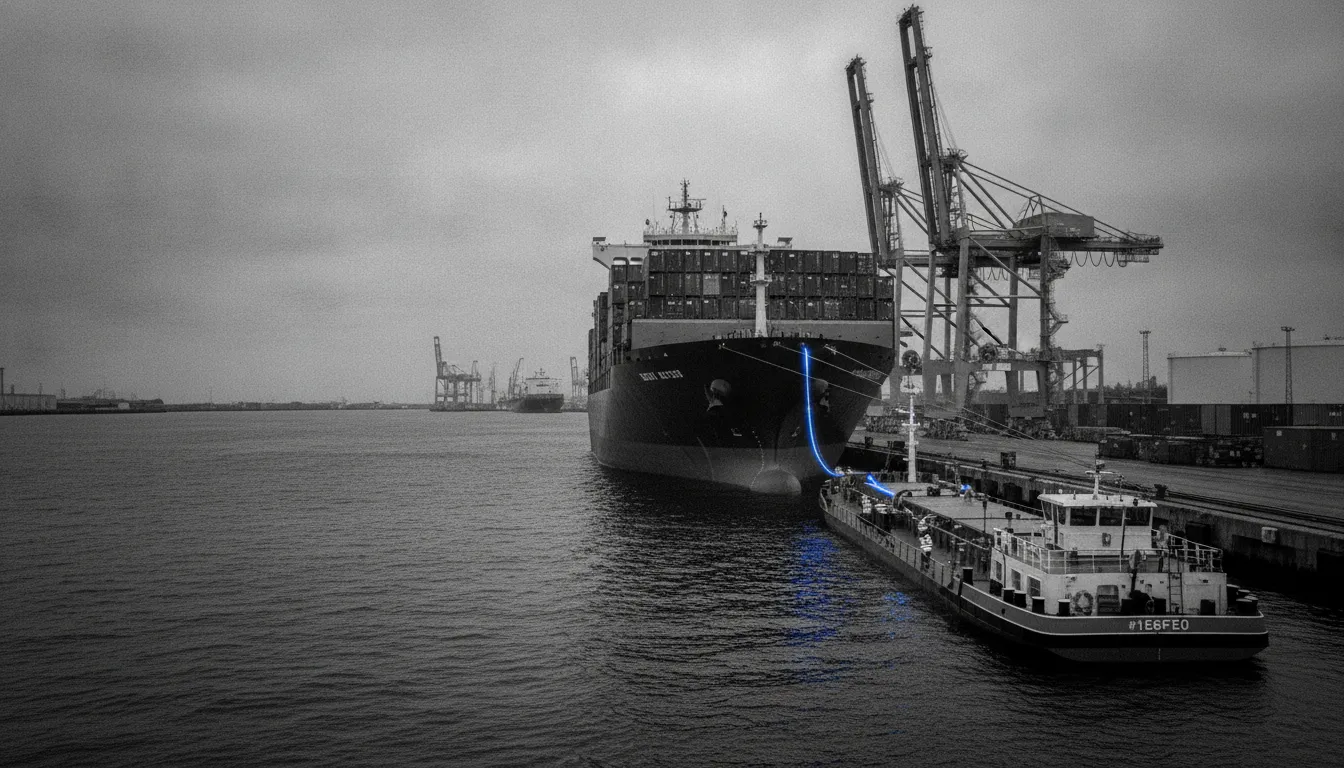
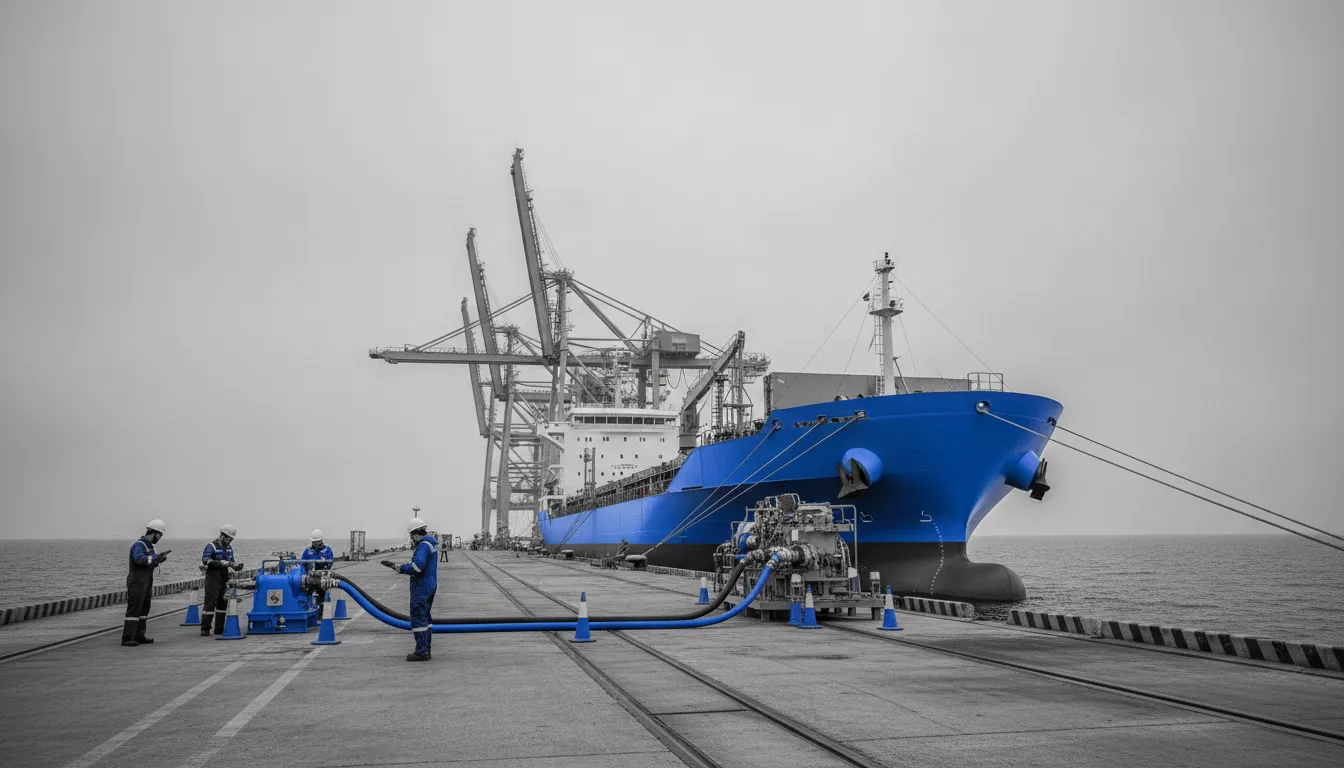
Bunkering infrastructure has undergone mandatory upgrades to accommodate low-flashpoint fuels safely. As of 1 January 2026, emergency release systems (ERS) are now mandatory at bunkering stations. These systems automatically shut off and disconnect fuel transfer lines if pressure, temperature or flow anomalies occur, preventing catastrophic spill scenarios. Additionally, pressure relief valve (PRV) redundancy is now required—a secondary relief system provides backup protection if the primary valve fails. The rationale: low-flashpoint fuels exhibit extreme volatility, and a single-point failure in a relief system could trigger an uncontrolled vapour release or explosion.
Parallel to hardware upgrades, bunker suppliers must now issue written declarations confirming SOLAS II-2/4.2.1 compliance before any transfer begins. Lloyd's Register's FOBAS testing service reports that suppliers must confirm the fuel meets minimum flashpoint rules and provide flashpoint details on the bunker delivery note. "If the fuel flashpoint is below 60°C (except where authorized by SOLAS 4.2.1), the Flag State Administration and Class should be notified, and bunkering stopped immediately." This procedural tightening has already exposed gaps in global supply-chain discipline; some bunker suppliers' statements of conformity have proven inaccurate upon post-bunkering testing. Enforcement action is now routine: port state control authorities report flagged vessels, and administrations name non-compliant suppliers to the IMO. Infrastructure-focused partnerships have emerged to standardize and scale bunkering hardware: in January 2026, shipowner Wah Kwong partnered with tank manufacturer CIMC ENRIC to collaborate on green methanol bunkering solutions and related infrastructure.
Lifting Equipment and Cargo Gear Certification
Coinciding with the low-flashpoint fuel retrofit surge, SOLAS Regulation II-1/3-13 came into effect on 1 January 2026, establishing mandatory safety standards for lifting appliances and anchor handling winches aboard ships. Cargo cranes, engine-room cranes, stores cranes, hose-handling cranes and associated loose gear are all in scope. The new rule requires an IMO electronic cargo gear book certifying compliance for all newbuildings delivered after 1 January 2026 and for retrofit installations completed on or after that date.
For suppliers of lifting systems, the mandate creates dual bottlenecks. Retrofit fuel system projects often require reinforcement of vessel structure to support new piping, manifolds and pressure vessels; hose-handling cranes and loose-gear systems must be recertified under the new 3-13 standard. Classification societies report that survey timelines have compressed: inspections that might once have been scheduled quarterly are now clustered at critical retrofit junctures, compressing delivery schedules and inflating survey costs. The MES 50 hydraulic winch, launched by Marine Equipment Solutions in February 2026, exemplifies the innovation wave in response to tighter safety and efficiency demands across lifting appliances. However, such new equipment takes time to specify, procure and install, adding further pressure to the 12–18 month retrofit window.
Seafarer Training and Operational Competence Gaps
Regulatory compliance is not confined to hardware. The IGF Code mandates competence requirements for personnel on board ships using low-flashpoint fuels, overseen jointly by the International Convention on Standards of Training, Certification and Watchkeeping for Seafarers (STCW) and flag state administrations. However, competence frameworks for ammonia, methanol and hydrogen are still incomplete. The International Maritime Organization's interim guidelines for ammonia and methanol fuel provide a foundation, but formal training syllabuses, examination standards and endorsements have not yet been fully codified. Many shipowners report that competent chief engineers and senior ratings can be found, but the pool is shallow and expensive. Training providers are scaling up to meet demand, yet the gap between regulatory entry-into-force and widespread crew competence remains a source of operational risk and schedule delays.
Bunkering operations present particular training challenges. Methanol's toxicity, low flashpoint and invisible flame require enhanced procedural controls and safety management measures embedded in the full operational lifecycle—vessel design, bunkering operations, normal operation, maintenance activities and emergency response. The IGF Code places responsibility on the Company (vessel operator) to ensure competence, familiarisation and training arrangements are aligned with mandatory requirements and supplemented by ship-specific procedures. Superintendents, masters and bunkering coordinators must now be proficient in low-flashpoint fuel hazards, transfer procedures and emergency protocols—a skill set that is still maturing across the global fleet.
Port Infrastructure and Alternative Fuel Readiness
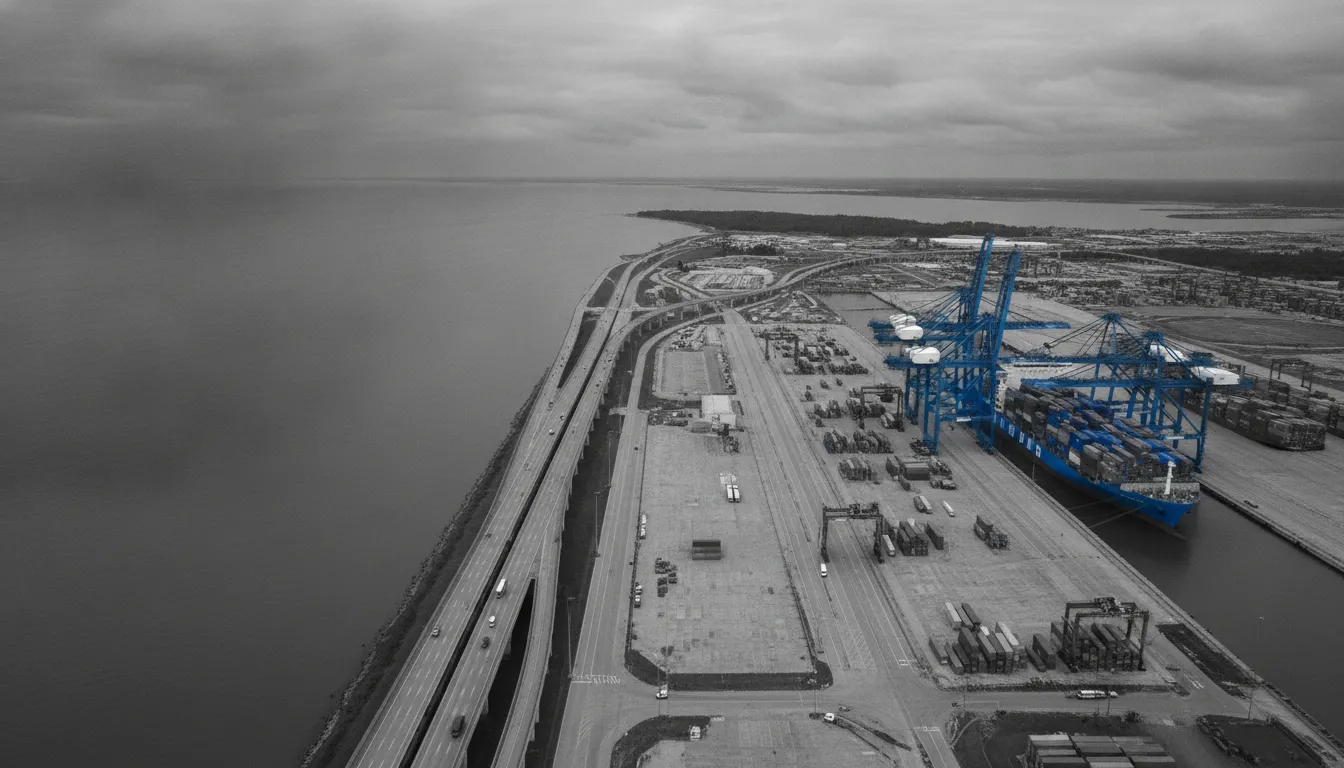
Bunkering infrastructure expansion is accelerating, but unevenly. Over 40 major ports worldwide now offer LNG bunkering, with more than 15 ports adding methanol and ammonia facilities by 2026. The UK launched its first commercial bio-methanol supply service in February 2026 through a partnership between Methanex, Exolum and Ørsted, creating an end-to-end molecule-to-wake supply chain at the Port of Immingham. Ulsan Port Authority completed the first commercial ammonia port-to-ship bunkering operation, marking a significant milestone in alternative fuel infrastructure. Seaspan Corporation and Hapag-Lloyd have completed the first of five methanol retrofit vessels under their collaborative programme, and the container vessel Eco Levant became the first ship bunkered with ethanol at the Port of Rotterdam.
However, regional imbalances persist. TFG Marine agreed in July 2024 to lease four new methanol bunker barges for delivery in late 2025, addressing a critical "last-mile" delivery gap. The ISO 22120:2026 standard, published in August 2026, sets requirements for methanol bunkering transfer systems and equipment, establishing an international framework for safe operations. Yet this standardisation comes after significant port-by-port experimentation, and many smaller regional ports lack the infrastructure, regulatory clarity or supplier relationships needed to offer low-flashpoint fuel bunkers. Shipowners with vessels trading narrowly on established routes—Asia–Europe, North America–Caribbean—can plan retrofits with reasonable confidence. Those serving smaller ports or emerging trade lanes face uncertainty about fuel availability at their destination, delaying retrofit commitments.
What This Means for Supply-Chain Professionals
The 12–18 month retrofit crunch is real and widening. Shipyard capacity is constrained, with retrofit slots booked well into 2027–28. Equipment suppliers—hose, manifold, pressure-relief valve and tank manufacturers—report backlogs and rising lead times. Lifting equipment certifications are clustering around SOLAS II-1/3-13 renewal surveys, compressing inspection windows. Bunker suppliers and bunkering service providers must now issue formal compliance declarations, invest in flash-point testing infrastructure and train staff on new procedural protocols. Port authorities are racing to upgrade bunkering stations with emergency release systems and redundant pressure relief capability.
For procurement teams, the message is clear: delays incurred now cascade. Late retrofit orders will struggle to secure dockyard berths; late equipment orders will encounter supplier backlogs; incomplete crew training will invite port state control detentions. Shipowners who have not yet committed to low-flashpoint fuel conversion should assess their retrofit timelines against global supply-chain capacity constraints and order critical equipment—tanks, pumps, manifolds, hoses and emergency systems—before lead times extend further. Regional bunkering infrastructure still has gaps; verify fuel availability on your planned routes before finalising engine specifications. And ensure your crew training programmes, vessel-specific SMSs and emergency procedures are aligned with the latest IGF Code and fuel-specific interim guidelines long before the vessel arrives for retrofit. The regulatory window is closing; the supply-chain window is narrower still.