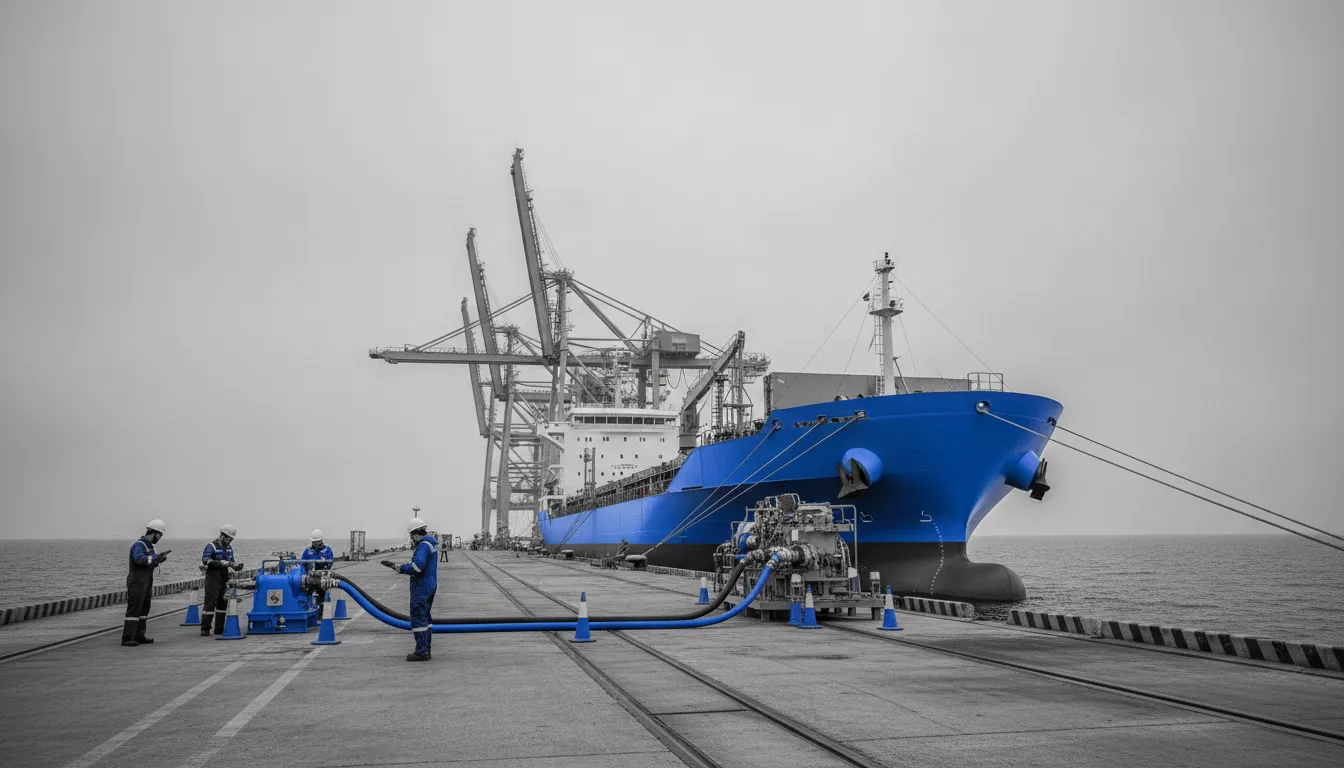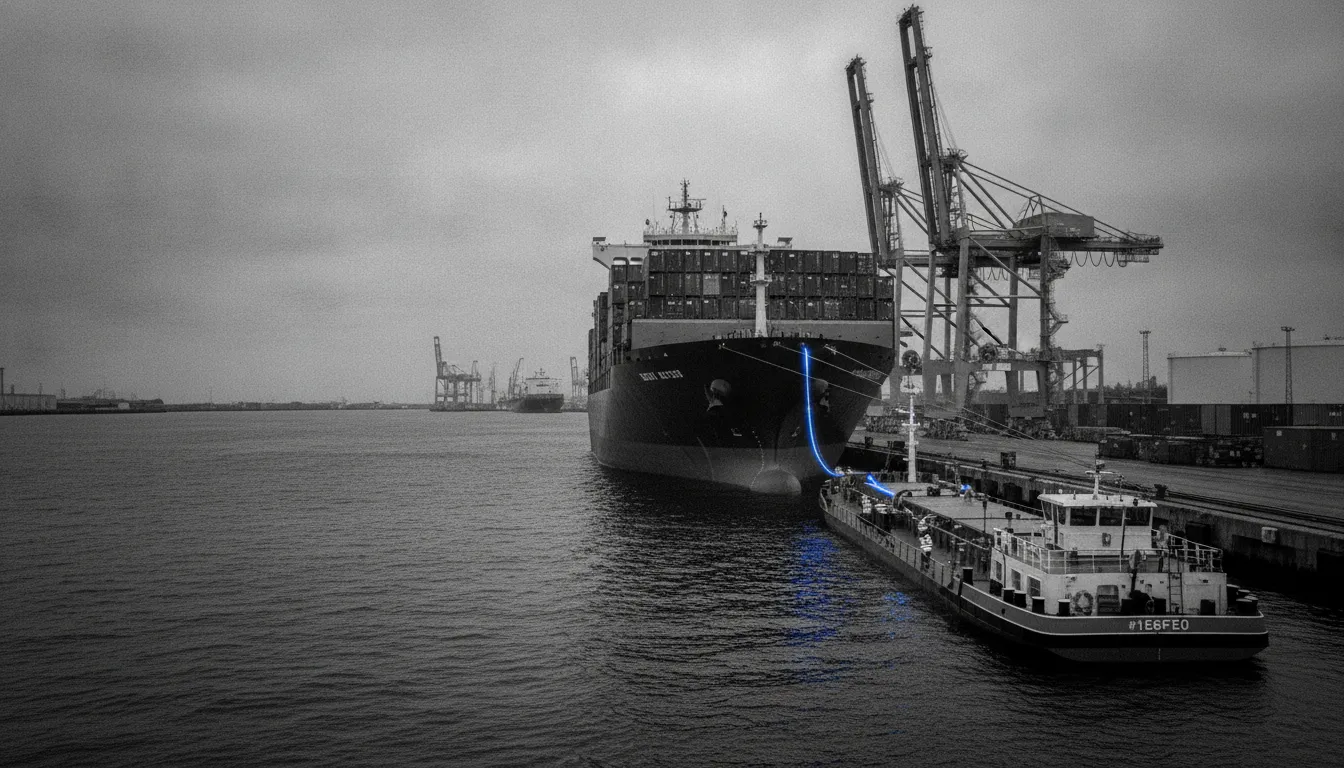
"Containers lost at sea are no longer dismissed as weather-related collateral. Mandatory reporting is now supported in IMO regulations through amendments to SOLAS Chapter V (Regulations V/31 and V/32) and MARPOL Protocol I, requiring all losses or sightings of drifting containers to be reported promptly and uniformly."
The Dual Mandate: What Changes 1 January 2026
Two distinct but reinforcing IMO measures entered force simultaneously on 1 January 2026. First, SOLAS Chapter V amendments (Regulations V/31 and V/32, via Resolution MSC.550(108)) made container loss reporting mandatory across all vessel types and trades. Second, SOLAS Regulation V/19.2.12 (via Resolution MSC.532(107)) mandated electronic inclinometers on newly constructed containerships and bulk carriers of 3,000 GT and above. Both apply to vessels with keel laid on or after 1 January 2026. While the container loss rule is pan-industry, the inclinometer requirement targets new-builds specifically—a critical distinction for yards and owners ordering vessels through 2026 and beyond.
Operators now face an interconnected compliance framework. The inclinometer measures vessel roll motion in real-time, feeding data to the Voyage Data Recorder (VDR). That same roll data becomes forensic evidence if a container loss occurs and must be reported in granular detail: ship identity, position, UTC time, container count, cargo type, dangerous goods status, wind speed, and estimated drift. Masters and fleet managers must embed both obligations into Safety Management Systems (SMS), while shipyards incorporate type-approved inclinometer hardware (meeting IMO Resolution MSC.363(92) performance standards) during design and construction. Compliance is verified through class surveys and flag state inspections before commissioning.
Container Loss Reporting: The Reporting Chain
Under the amended SOLAS Regulations V/31 and V/32, any ship that loses containers or observes drifting containers must file an initial report without delay to: nearby vessels in the vicinity; the nearest coastal state authority; and the vessel's flag state. If the master is unable to file, the operating company assumes the duty. Once the flag state receives the report, it must upload the incident into the IMO's Global Integrated Shipping Information System (GISIS), ensuring a permanent, searchable record accessible to all flag states and port state control authorities. The World Shipping Council reported 576 containers lost in 2024, with southern African waters accounting for approximately 35% of global losses that year. Resolution MSC.550(108) mandates standardised reporting: ship identity, date and time (UTC), position of loss or sighting, total estimated containers, container descriptions (size, type, whether reefer or hazmat), presence of dangerous goods and UN numbers (if known), and any additional relevant information such as weather, sea conditions, or cargo spills.
Initial reports must be filed as soon as possible; follow-up and final verified reports are required once a physical inspection confirms exact container counts. No exemptions exist for vessel type or trade: a general cargo ship observing a drifting container has the same legal duty as a dedicated container carrier. Crews must be trained to identify, document, and report losses accurately under high-stress conditions. The IMO expects that electronic inclinometer data—showing excessive roll motion and lateral accelerations—will directly correlate with container loss incidents, providing objective forensic evidence for investigation and liability assessment.
Electronic Inclinometer Carriage: Hardware and Certification
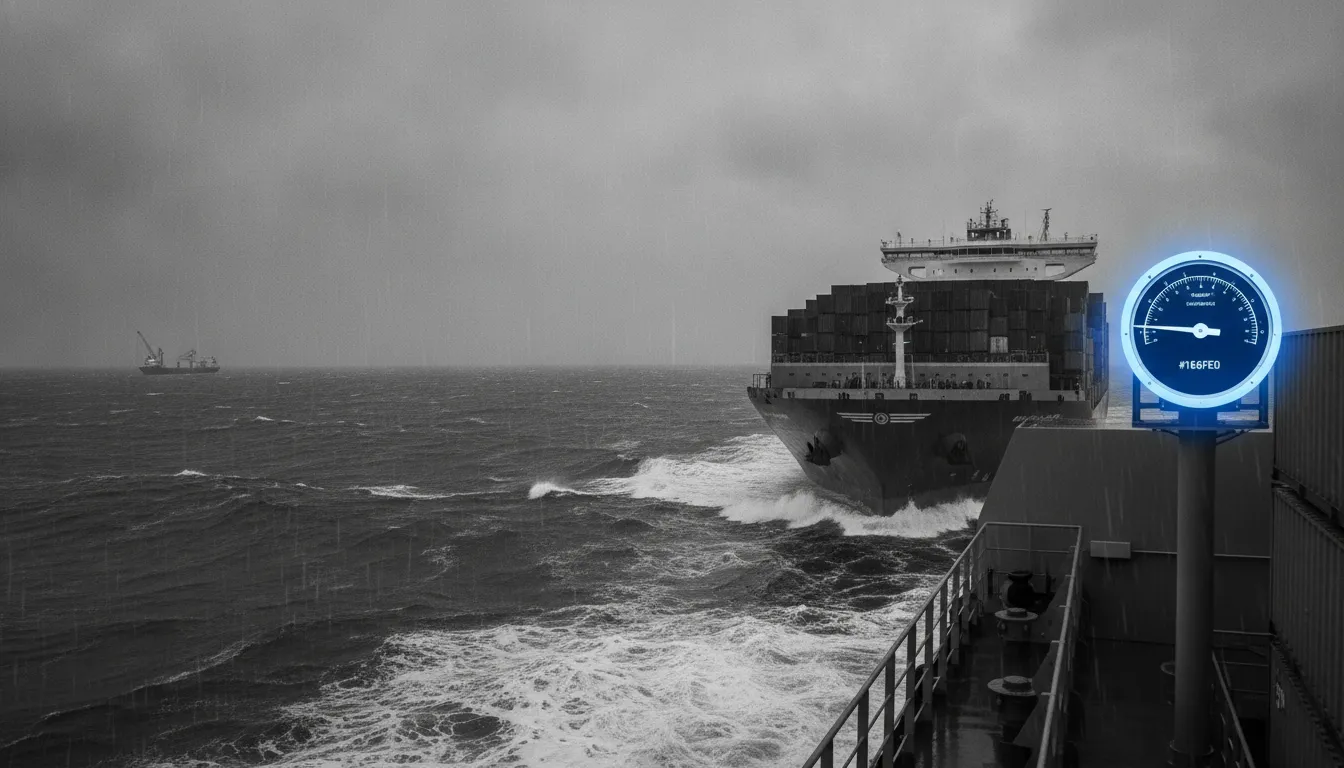
The inclinometer mandate applies strictly to new containerships and bulk carriers of 3,000 GT and above, with keel-laying on or after 1 January 2026. Existing vessels, even if recently built, are exempt. The device must be type-approved to IMO Performance Standards Resolution MSC.363(92), which define accuracy (heel angle measurement ±1° or within 5% of reading, whichever is greater), roll period detection (4 to 40 seconds), reliability (continuous operation on main and emergency power supplies), and seamless integration with the VDR and bridge alarm systems. Electronic inclinometers must measure and display three critical parameters: actual heel angle, roll amplitude, and roll period. This data feeds directly into the VDR, creating an objective record of the vessel's motion behaviour during all sea states—especially valuable when parametric rolling or excessive lateral acceleration occurs and containers are lost.
Shipyards and naval architects must incorporate compliant inclinometer systems during the design and construction phase. Class approval and flag state inspection confirm compliance before delivery. Owners ordering new vessels through Q4 2026 and 2027 cannot avoid this requirement; all newbuilds delivered after 1 January 2026 must carry type-approved electronic inclinometers. The cost of the equipment itself—typically in the USD 10,000–50,000 range depending on system sophistication and integration—is modest, but integration with design, installation, testing, and class survey procedures adds engineering and programme lead time. Procurement teams must factor this into newbuilding contracts and milestone schedules now.
SMS, Crew Training, and Audit Readiness: The Operational Burden
Both mandates trigger immediate updates to Safety Management Systems. Container operators must revise bridge checklists, standing orders, and emergency procedures to ensure crew awareness of the container loss reporting obligation. Lloyd's Register, DNV, RINA, and other class societies have issued implementation guidance emphasising the need to document communication protocols with flag states and coastal authorities, test reporting systems (radio, satellite email, VSAT), and verify crew understanding of the reporting chain. Owners must appoint personnel to manage GISIS uploads, record report timestamps, and maintain an audit trail. Port state control (PSC) inspectors will review these records and SMS procedures during port visits, particularly after a loss incident.
For inclinometers, the operational burden is lighter post-installation but critical during commissioning. Owners must ensure that inclinometer data is logged, calibrated, and linked to the VDR. Engineers and bridge teams must understand how to read inclinometer outputs and respond to excessive roll warnings. Class surveyors will verify that calibration certificates are current and that personnel are trained. Brokers and third-party inspectors should expect that PSC inspections will intensify through 2026–2027 as flag states and coastal authorities build expertise in auditing both container loss reports and inclinometer documentation. Any vessel that experiences a container loss and lacks proper SMS procedures or inclinometer calibration records will face detention, fines, or loss of class certification.
Procurement and Remediation Lead Times: A Q4 2026 Crunch
Buyers and charterers must now factor compliance audits, SMS revisions, and crew retraining into vessel procurement timelines. For owners ordering new containerships and bulk carriers, the inclinometer carriage requirement is non-negotiable and adds to newbuilding lead times. For operators managing existing fleets (which are exempt from the inclinometer mandate), the container loss reporting obligation kicks in immediately, retroactive to 1 January 2026. Any container loss incident occurring from that date onwards must be documented and reported to GISIS; vessels without updated SMS procedures face immediate enforcement action if audited by PSC or flag state authorities.
Remediation is time-consuming. SMS updates require class society review and approval, typically taking 4–8 weeks depending on complexity and the yard's or operator's current SMS maturity. Crew training programmes must be designed, approved, and delivered to all bridge and deck officers; typical programmes run 2–4 days per ship and must be conducted in-port or during planned layup. For large fleets, the cumulative training burden across dozens of vessels creates scheduling and cost pressures. Brokers are now advising clients to initiate SMS audits and crew briefings immediately if they have not already done so. Delays in completing these measures increase PSC detention risk and undermine claims defence if a loss incident occurs and reporting procedures are shown to be inadequate.
What This Means for You: Immediate Actions
For shipowners and operators: review your current fleet's Safety Management System and confirm that container loss reporting procedures are formally documented and that bridge teams have been trained. Schedule PSC-readiness audits now, before year-end 2026, to identify gaps and remediate them proactively. For newbuilding buyers: ensure that contracts with shipyards include explicit inclinometer type-approval, calibration, and VDR integration deliverables, with milestone penalties for delays. For brokers and third-party surveyors: anticipate heightened PSC focus on SMS compliance and container loss documentation. Advise clients that inclinometer calibration certificates and crew training records must be immediately accessible during inspections. For procurement teams: inclinometer hardware procurement and integration lead times will compress global supply chains; early engagement with equipment suppliers and class societies is essential to avoid newbuilding delivery delays. The dual mandate has created a simultaneous surge in demand for SMS consulting, crew training, compliance audits, and equipment certification. Operators and yards that act decisively in Q4 2026 will be prepared for 2027 deliveries and operations; those that delay will face audit failures, detention, and reputational damage.