"Prompt fuel availability is very tight across European and African bunkering hubs, with delays at loading terminals and strong summer demand driving lead times of up to 15 days." – ENGINE bunker fuel report, 25 June 2026
Mauritius and African Hubs: The New Supply Bottleneck
Port Louis in Mauritius has emerged as the most constrained bunker location globally. As of late June 2026, traders uniformly recommend advance bookings of 10–15 days for all fuel grades—VLSFO, LSMGO and HSFO. This sustained tightness reflects both heavy regional demand and fragmented replenishment patterns driven by the ongoing Middle East conflict. The port authority supports seven bunker suppliers and six barges, yet supply cannot keep pace with traffic routed eastward across the Indian Ocean. Mauritius's strategic position linking African, Asian and Pacific routes means any delay cascades across major shipping corridors.
West African ports show similar stress. Togo's Lome requires 10-day lead times for VLSFO and LSMGO, while Nigeria's Lagos demands roughly 7 days' notice. Mozambique's Nacala and Maputo have tightened to 7–10 days, and Namibia's Walvis Bay requires around 10 days. South Africa's Durban sits at 5–7 days but remains tight for prompt deliveries. This pan-African compression—spanning from Senegal to the Cape—indicates systemic supply fragmentation rather than isolated port stress. Suppliers cite both loading terminal delays and inventory constraints as culprits.
Gibraltar's Record Demand and Operational Strain
Gibraltar recorded 599 bunker calls in May 2026—the highest monthly figure since records began in 2011. This 31% surge from April's 533 calls reflects vessels diverting from Middle Eastern supply disruptions. The port handled 22 million gross tonnes in May, up from 20.5 million GT in April. Yet this concentration of traffic has strained bunkering infrastructure. Traders advise 10 days' lead time for any prompt fuel delivery, with some suppliers delayed by up to 8 hours. Neighbouring Algeciras experiences 12–36 hour delays, and port agents report operators increasingly factoring in extended waiting times when routing through the Strait.
Gibraltar's pricing power has widened its advantage over Rotterdam, with LSMGO trading at a $76/mt premium—a sharp gain reflecting undersupply and heightened demand volatility. The territory remains the Mediterranean's largest bunkering hub, yet the concentration of demand has exposed capacity limits, forcing forward bookings and eroding the reliability operators traditionally valued.
ARA and Northern Europe: Terminal Backlogs Drive 7–10 Day Standards
The Amsterdam-Rotterdam-Antwerp (ARA) region, Europe's largest bunkering complex, faces persistent loading delays at terminals. As of late June, traders recommend 7 days' lead time for VLSFO and HSFO, and 5–6 days for LSMGO. Independently held fuel oil stocks remain near May's 11-year low, with replenishment inflows at 220,000 barrels per day—marginally below May averages. Northern European ports show similar patterns: Denmark's Skaw and Sweden's Gothenburg require around 10 days' advance notice for any grade. Hamburg remains comparatively stable at 5 days, but availability is not prompt.
This persistent tightness reflects a fragile equilibrium. Supply is barely keeping pace with demand, and any further disruption—whether from refinery outages, port congestion or geopolitical shock—would rapidly tip inventories below operational thresholds. Suppliers have begun quoting high premiums for spot availability, incentivising forward bookings and reducing the flexibility operators once enjoyed.
Singapore and East of Suez: Fragmentation and Volatility
Singapore's VLSFO availability remains under acute strain, with quotes ranging from 9 days to over 4 weeks depending on supplier and contract type. This extreme variance signals inventory scarcity and unpredictable replenishment windows. Residual fuel oil stocks averaged 18% lower in June than in May. Meanwhile, Japan is experiencing a sudden and severe tightness in both VLSFO and MGO, with traders advising buyers to secure spot requirements immediately and warning of limited July allocations as refineries prioritise domestic energy demand. South Korea faces weather-related disruptions at major ports including Busan, Ulsan and Yeosu through early July.
The East of Suez fragmentation highlights how geopolitical strain has broken the historical link between oil supply and bunkering accessibility. Although global oil stocks remain adequate, the uneven distribution—with Middle Eastern supplies disrupted and Asian demand concentrated—creates artificial scarcity in critical refuelling nodes. Operators report premiums for immediate availability are now routinely USD 50–100/mt above longer-dated bookings, making forward procurement an economic imperative.
Supply Fragmentation and Geopolitical Disruption
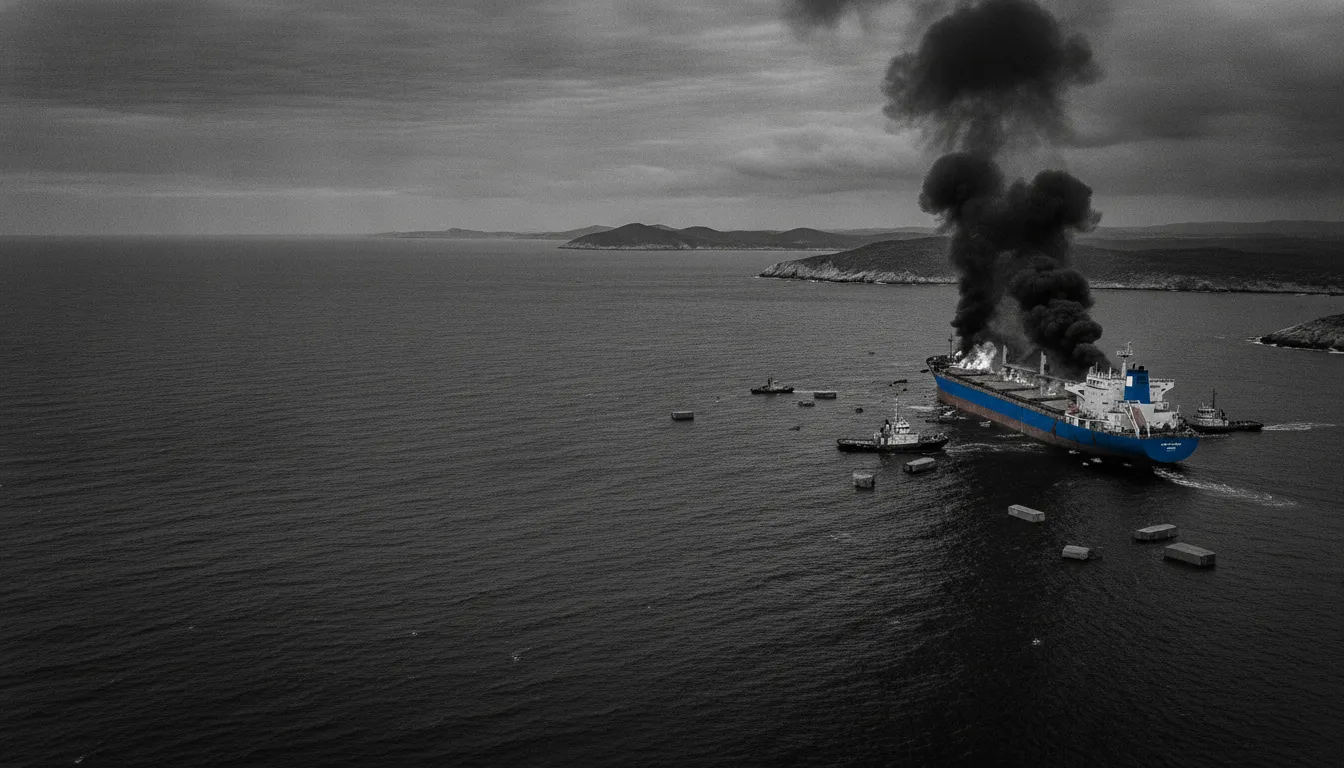
The root cause lies in the ongoing Iran conflict and intermittent attacks on bunker infrastructure. The Strait of Hormuz disruption has forced operators to reroute toward alternative hubs, concentrating demand into fewer ports and starving traditional suppliers of replenishment flows. Trade and Environment estimates the global shipping industry faces approximately €340 million ($400 million) daily in additional bunker-related costs from this crisis. Maersk and major carriers have activated fuel redistribution initiatives and emergency surcharges to manage uneven supply.
Port congestion compounds the problem. Loading delays at terminals in Rotterdam, Singapore and Malta have stretched lead times independently of fuel scarcity. In late May, ARA loading delays had nearly doubled typical lead times to 10 days from the previous 4–5 day baseline. Supply forecasts indicate that without significant relief, inventory lows and congestion will persist through Q3 2026, forcing buyers to plan bunker movements 3–4 weeks in advance rather than the 1–2 weeks that were standard pre-crisis.
Operational Implications for Buyers, Operators and Planners
The practical effect is clear: voyage scheduling now hinges on bunker availability rather than port slots or cargo readiness. An operator planning a run from Singapore to Port Louis cannot assume same-week refuelling at either port; each leg requires 10–15 days' advance coordination. Small and medium-sized operators—lacking the negotiating leverage of mega-carrier groups—face the steepest cost impact: premiums for late bookings and spot deals can swing 5–10% of total voyage margin. Procurement teams must now build bunker booking calendars months ahead and maintain real-time intelligence on lead time windows in 15+ key ports.
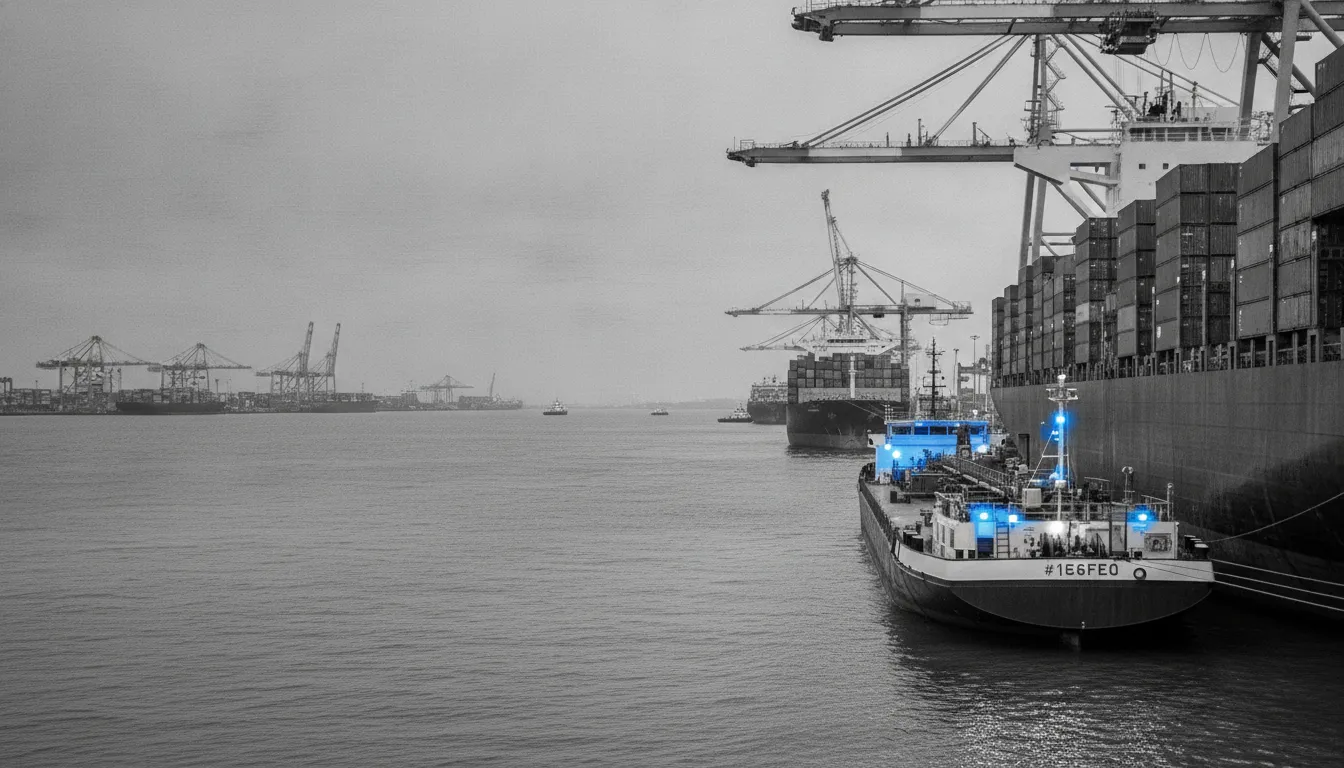
African operators and regional suppliers report deepening squeeze. Smaller barge operators struggle with longer inventory holding periods, whilst local suppliers in Durban, Lome and Lagos face pressure to extend credit terms as buyers prepay weeks ahead. Bunker One, Pandi, Monjasa and smaller regional players have all tightened terms. Forward-contract pricing has become volatile: some suppliers are now quoting prices on a 7-day rolling window rather than conventional 2–3 week terms, embedding additional price risk.
What This Means for You
If you are a fuel buyer: assume 10–15 days' lead time is now the floor for Mauritius, Gibraltar and ARA; 7–10 days for African hubs and East of Suez; always have secondary supplier options and hedge price risk over rolling 1–2 month windows rather than single-lift bookings. If you manage vessel operations: factor bunker availability into route planning and voyage windows, not just sea distances; high-premium ports (Gibraltar, Mauritius) should be secondary options; diversify refuelling across Durban, Singapore and secondary hubs to avoid congestion peaks. For logistics planners: treat bunker delays as a voyage risk equivalent to port congestion; build 3–5 day buffer into scheduling; monitor port-specific supply blogs (ENGINE, Manifold Times) and supplier notices weekly. The bunker crisis is no longer a cost item—it is now a tactical constraint on global shipping. Recovery depends on Middle East stability, refinery utilisation and the gradual unwinding of inventory backlogs; expect conditions to remain tight through Q4 2026.