"The Cape Town Container Terminal has improved productivity and annual volumes as a result of the injection of new equipment," Transnet stated, yet vessel turnaround times averaging 74 hours in 2025/26 and 58 hours year-to-date 2026/27 still leave room for improvement.
The Crane Rollout: Scale and Timing
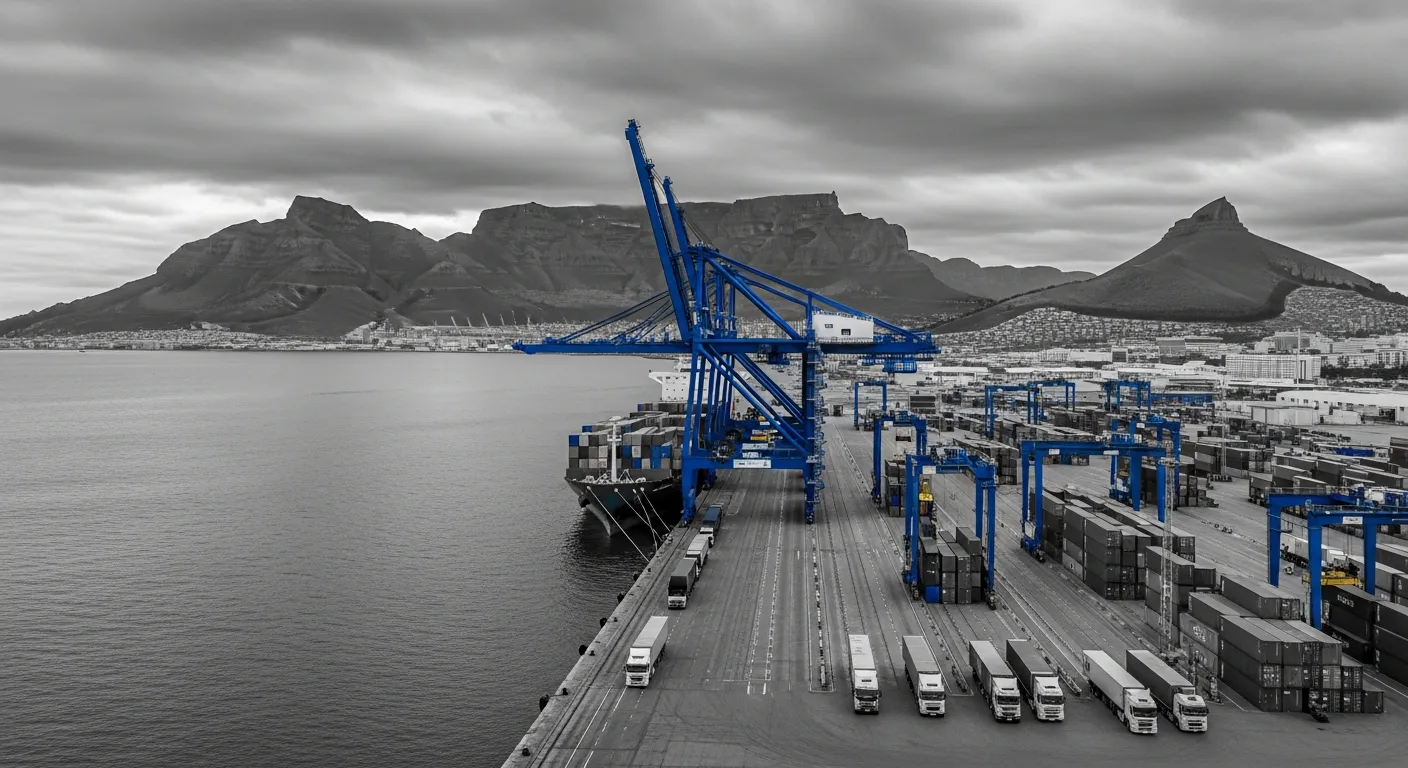
The Cape Town Container Terminal is taking delivery of 28 new rubber-tyred gantry cranes in three tranches: 9 units arrived by November 2025, a further 10 in June 2026, and the final 9 expected by end-Q2 2026. In parallel, seven ship-to-shore cranes are being commissioned across the container berths. The new RTGs feature diesel-electric powertrains and anti-sway systems engineered to operate at speeds up to 90 kilometres per hour in winds that would halt older equipment at 72 km/h, addressing one of the port's most persistent headwinds—literally. This represents a significant hardware expansion; in 2023, the port operated only 20 RTG cranes in service, with frequent breakdowns slowing cargo movement drastically. By contrast, efficiency targets require 19 gross crane moves per hour, yet the port was recording only 15 GCH as of late 2025.
Transnet Port Terminals has deployed four hybrid straddle carriers, completed in July 2026, marking the first such units in Southern Africa. The hybrid model mixes straddle and RTG operations to optimise yard throughput and container positioning, with the terminal transitioning from an RTG-only operation to a blended approach that accommodates both yard capacity and operational demand. Transnet has invested a total of R9 billion over the last three years on new cargo-handling equipment across its 15 terminals nationally, with major capital investments in 2026/27 including straddle carriers and empty container handlers for Cape Town and Port Elizabeth, rubber-tyred gantry cranes for Durban Pier 1, reach stackers for multipurpose terminals, and haulers for Richards Bay. The anti-sway technology deployed on new RTGs allows work to continue during inclement weather—a decisive advantage in a port where wind speeds regularly exceed 100 kilometres per hour during winter months. However, the rate-limiting factor is not the hardware alone. Equipment efficiency depends on coordinated berth scheduling, fluid landside cargo flow, and rapid truck turnaround at gate positions—all areas still showing friction.
Digital Booking and the IPMS Paradox
Transnet's Integrated Port Management System (IPMS) enables clients to book maritime services—towage, pilotage, repairs—online rather than through manual request processing. In theory, this reduces administrative lag and allows shipping lines to confirm service windows ahead of vessel arrival. The digital platform includes online bookings for maritime services, a truck booking system and bookings for ship repair facilities, centralising access to operational information in real-time. Yet online convenience masks a structural bottleneck: landside congestion at A-check inspection points and container yard positioning persists even when booking workflows are frictionless. A-check represents one of the port's biggest congestion points, where trucks queue to access the container terminal. Automated gates are planned to speed truck processing times and improve cargo movements through the port, but these have not yet materialised at scale.
IPMS also supports integration with the port's vessel traffic services and terminal performance monitoring, providing real-time access to the full range of operational information to deliver effective and efficient services and improve port performance. Yet a truck booking system is only as effective as the physical staging areas and gate capacity behind it. During peak export seasons, when reefer containers dominate throughput, the bottleneck shifts from information access to truck-dock availability and container yard staging. The port's inability to absorb peak truck flows—even with advance notice through IPMS—means that booking convenience translates to waiting certainty rather than waiting reduction. Until landside infrastructure expands, IPMS optimises information flow without solving the congestion it exposes.
Vessel Waits: 6–10 Days in Practice
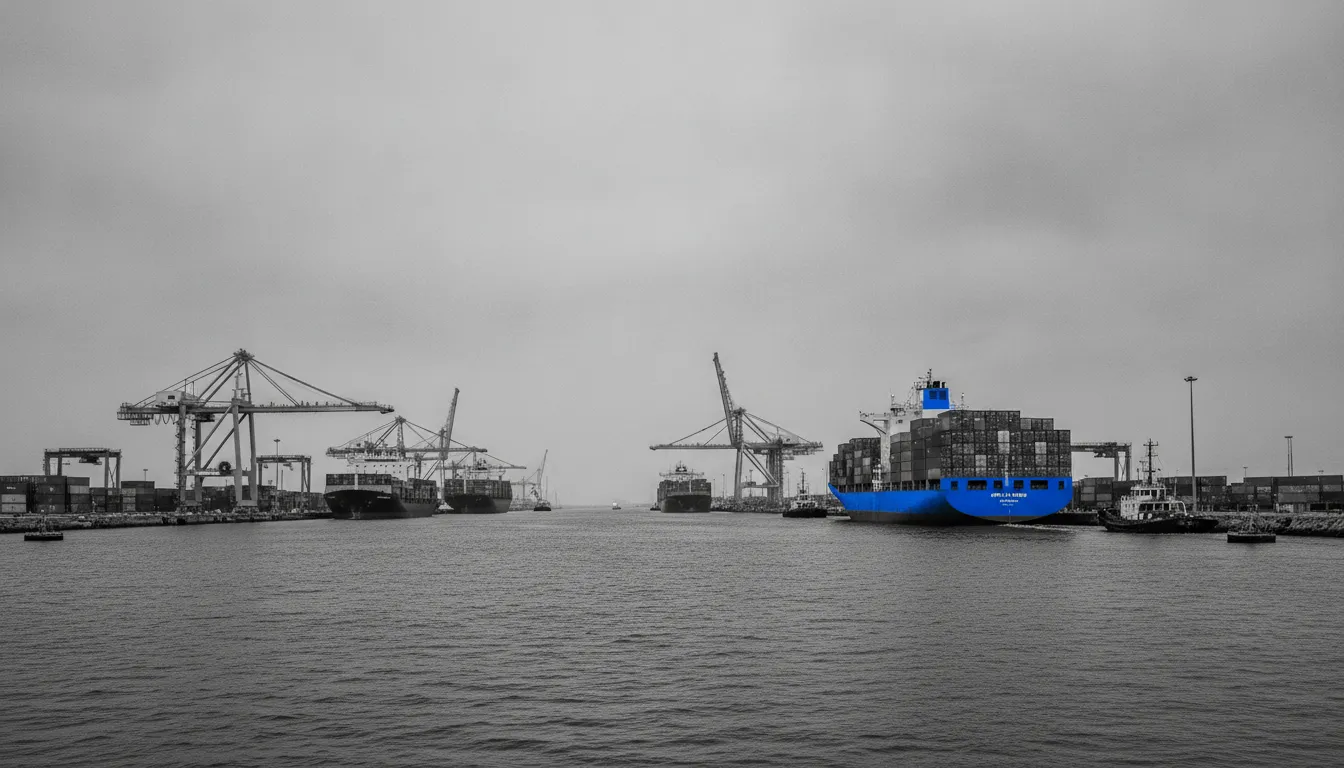
Despite the equipment injection, industry stakeholders report sustained vessel delays. Transnet recorded ship turnaround times of 74 hours in 2025/26, improving to an average of 58 hours year-to-date 2026/27. However, the vessel turnaround time (time in berth) differs from total port dwell (anchorage to departure), which can stretch 6–10 days during peak seasons or adverse weather. Wind-related disruptions accounted for 74.15 days of lost operational time in the 12-month period to March 2026, meaning whole weekends and weather fronts can arrest productivity regardless of crane capacity. Transnet recorded consistent improvements from 103 hours in 2023/24 to 83 hours in 2024/25, demonstrating that interventions have moved the needle, yet systemic constraints remain.
Ship working hours per vessel have increased from 25 to 31 hours, a meaningful jump in operational output, and marine services delay time has been slashed from an average of three hours and 34 minutes to just over one hour, achieved through new equipment and more effective planning including deployment of launch boats and expanded tug capacity. However, improved RTG speeds and shore tension units (deployed now at 10 units, up from 4) help mitigate swells and winds, but fundamental berth sequencing and yard congestion still cause cascading delays. Fruit exporters and shipping lines have begun rerouting services; Maersk and CMA CGM have shifted India–Middle East–Africa calls to Ngqura, preferring reduced congestion over Cape Town's critical mass. This dynamic demonstrates that incremental equipment wins do not automatically arrest modal shift if the overall port experience remains unreliable. World Bank data showing Cape Town ranked last among 400 container ports in the 2025 Container Port Performance Index underscores the magnitude of remaining operational friction.
Bunkering: Opportunity and Fragmentation
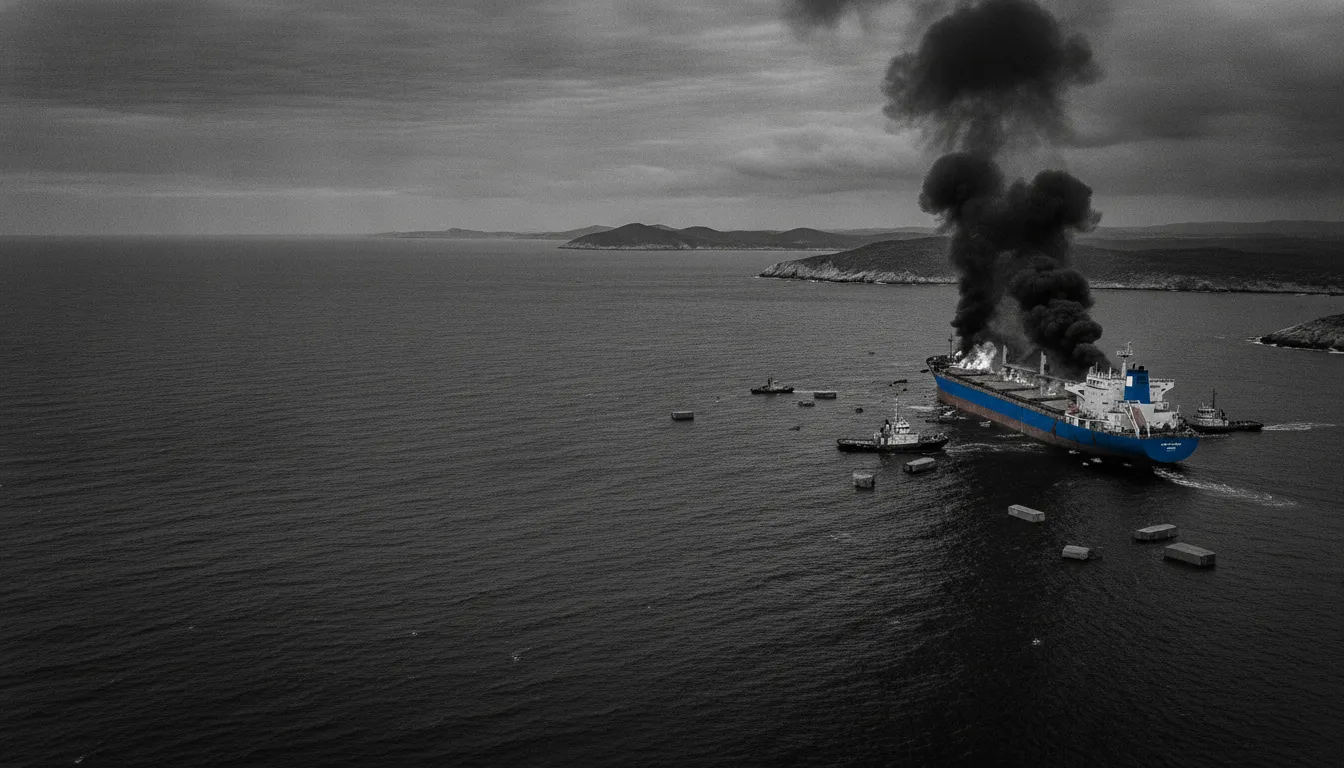
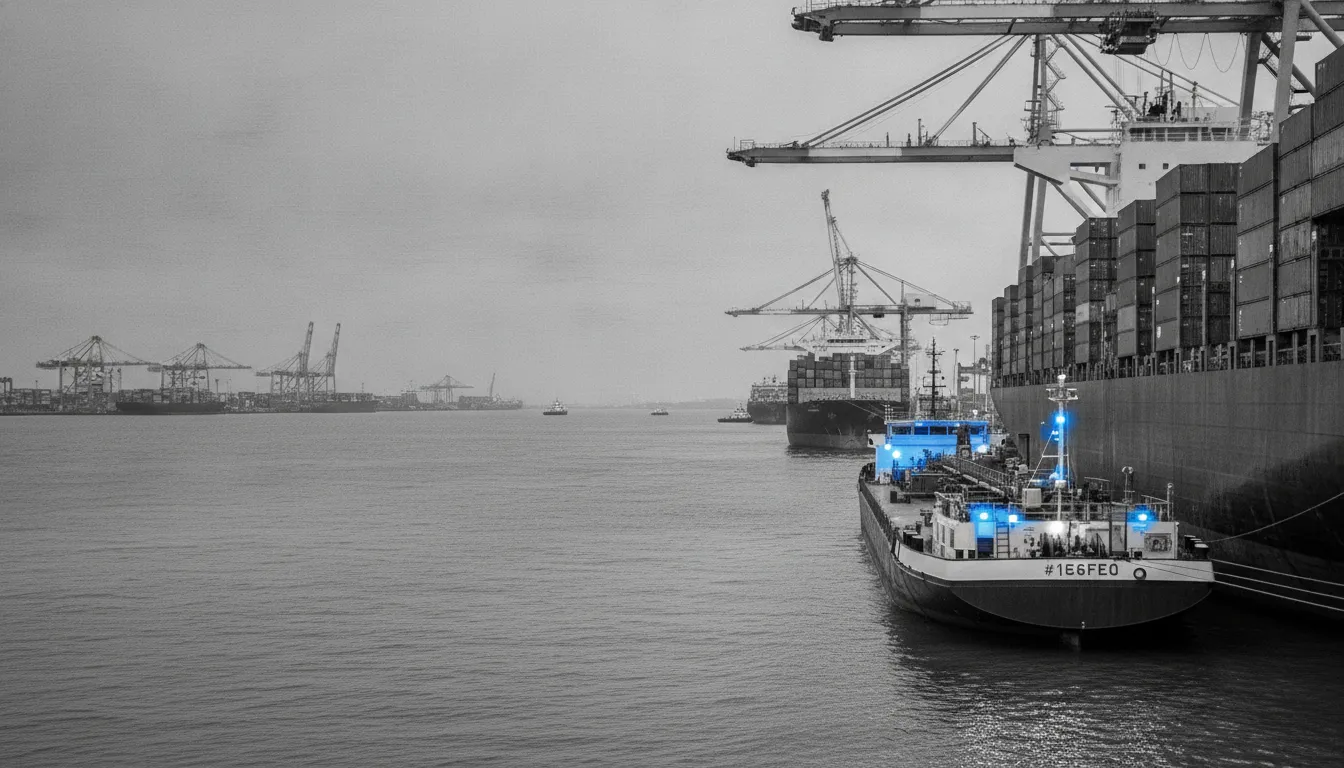
Cape Town's bunkering market is experiencing a structural shift. Redirection of vessels around the Cape of Good Hope due to Red Sea and Strait of Hormuz instability has driven a 112% increase in diversions as of March 2026, expanding regional demand for fuel supply. Bunkering is an important service offering for ports, with shipping lines requiring certainty around fuel availability. Transnet issued a 25-year RFP in May 2026 for a terminal operator to finance, operate and modernise the liquid bulk and bunkering terminal, citing a brownfield site with 44,430 cubic metres of storage capacity across eight storage tanks and two tanker berths. The project allows for interface with common-user berths at Tanker Basin 1 and Tanker Basin 2, supporting both local refinery supply and importation of bunkering products. Bunker fuel supplies have remained stable despite geopolitical tension, with diesel and fuel-oil availability confirmed through June 2026.
However, bunkering capacity remains a bottleneck in absolute terms. Competing African hubs—Walvis Bay, Luderitz, and West African ports—are attracting new entrants including Flex Commodities, Monjasa, and Vitol. Monjasa, which has operated in West Africa for nearly two decades, reported further increases in bunkering activity during the first week of the Iran war, signalling sustained demand from rerouted traffic. Misa Energy, a bunker operator in Ghana, is scaling up volumes to meet rising demand in offshore bunkering zones and expects bunkering volumes in Ghana to triple in the next decade. Without faster execution of the liquid bulk terminal concession and expansion of on-dock bunkering infrastructure, Cape Town risks losing market share to lower-friction rivals, even as diverted traffic volumes grow.
Truck Staging and Landside Logistics: The Unresolved Constraint
Turnaround time for trucks has improved from 57 minutes to 53 minutes, according to recent operational data, but this modest gain masks a critical vulnerability. The port lacks sufficient truck staging areas, reefer plug points, and generator backup capacity during peak export seasons. During the fruit season, container dwell times in the yard extend beyond optimal windows, pushing reefer containers toward spoilage risk and forcing exporters to absorb premium demurrage. The planned expansion of night-shift operations, increased use of inland terminals, and coordinated cold-chain logistics remain policy intentions, not operationalised solutions. The provincial government's Digital Logistics Planning Platform shows vessel port call times have improved by 33% in the year to date 2026 compared with the same period in 2025, yet this masks the reality that peak-season truck queuing, insufficient plug infrastructure, and limited yard staging remain unresolved.
Western Cape planners have identified landside logistics congestion as a priority intervention area, proposing expanded night-shift operations where possible, increased inland terminal usage, and greater private sector participation in terminal operations. However, these measures require operational consensus and capital deployment that extends beyond Transnet's direct control. Ship suppliers and equipment lessors positioned to expand reefer connection capacity, provide mobile power solutions, or operate temporary container staging facilities off-dock are well-positioned to capture margin that port operators cannot absorb. The gap between stated policy and ground-level execution remains wide, creating commercial opportunity for service providers who can close the last-mile logistics gap.
What This Means for Suppliers and Service Providers
Crane capacity is expanding, but the port's bottlenecks have shifted downstream—to landside truck operations, bunkering infrastructure, and ancillary cold-chain services. Suppliers winning market share will focus on three priorities: accelerated liquid bulk terminal operations to close the bunkering gap; third-party reefer plug and generator leasing to absorb peak-season fluctuations that the port cannot; and logistics coordination platforms that complement IPMS by optimising truck scheduling and yard allocation across multiple operators. The equipment race is real, but the competitive advantage accrues to those who plug the remaining service gaps. Early movers in off-dock staging, reefer infrastructure partnerships, and truck fleet coordination stand to capture disproportionate value as the port's equipment constraints ease and its service constraints become the binding limitation on throughput.