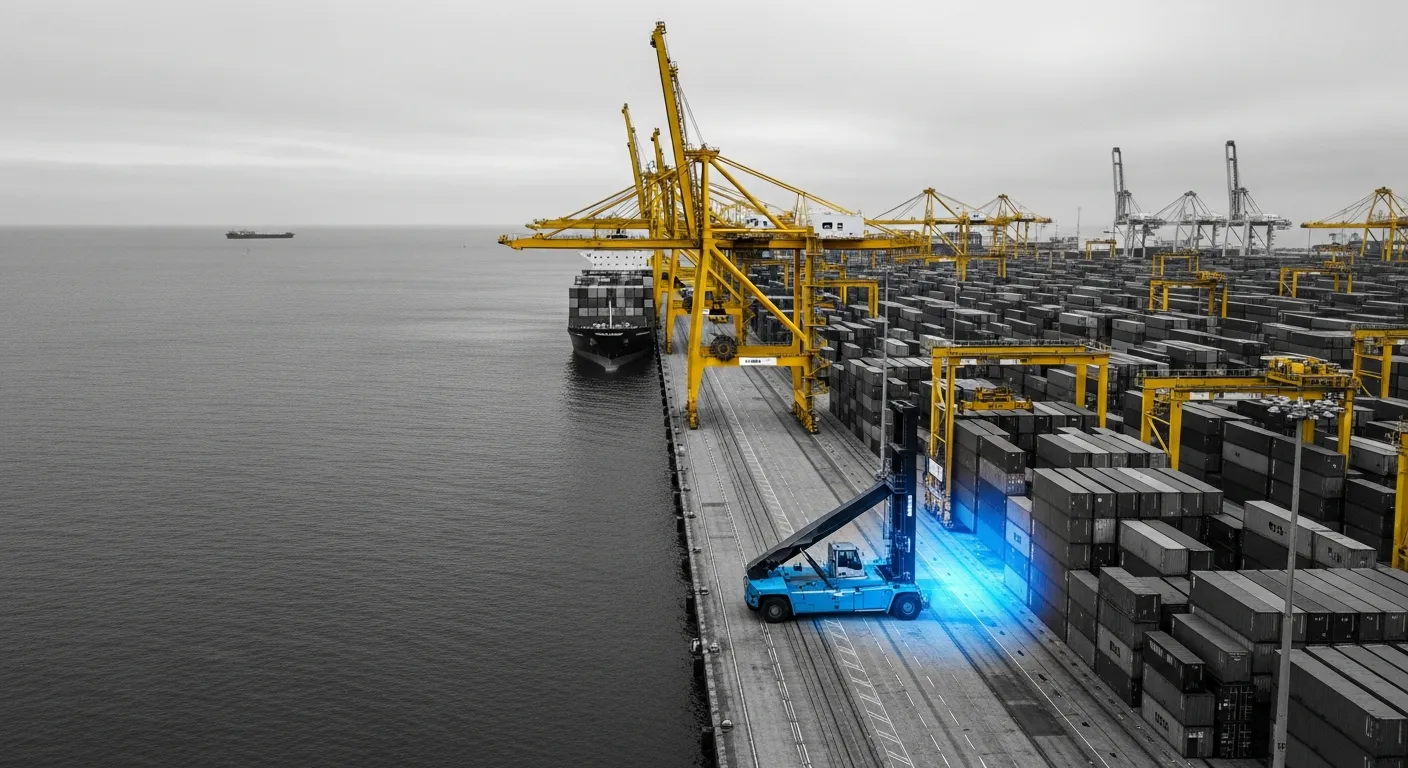
"The new RTGs are equipped with an anti-sway system and will operate at wind speeds of at least 90km/h, with long travel of up to 100km/h, to enable them to get to their park position."
Cape Town's 28-Crane Pivot and Hybrid Yard Model
The Cape Town Container Terminal (CTCT) is mid-deployment of 28 new rubber-tyred gantry cranes supplied by Liebherr. The first nine arrived and entered service in September 2025; the second batch of nine is scheduled for November 2025, with the final ten arriving in June 2026. This represents a R3.4–R3.5 billion capital investment and marks a fundamental shift in yard-handling strategy. The new diesel-electric hybrid cranes operate safely at wind speeds up to 90 km/h, compared to the existing fleet's 72 km/h ceiling—a critical advantage in Table Bay's notoriously volatile conditions, where the terminal recorded 74.15 days of weather disruption in the 12 months to March 2026. Beyond weather resilience, the cranes feature anti-sway technology and onboard video cameras with 3D operator views to enhance load handling and spreader management.
In parallel, CTCT has taken delivery of four new hybrid diesel-electric straddle carriers (with a further 12 deployed to Port Elizabeth), marking the first Southern Africa deployment of this technology. The R96 million investment signals a transition from a predominantly RTG-based operation to a hybrid yard model combining RTGs and straddle carriers for improved flexibility and stack capacity. Both the new RTGs and straddle carriers are fitted with in-cab computer systems providing real-time work instructions and cargo tracking—digital integration that accelerates yard choreography and reduces handoff delays. The terminal's productivity gains are already evident: refrigerated container volumes increased 32% period-on-period (as at end-August 2025), and overall export volumes rose 24% year-on-year. During the recent citrus season, all consignments were dispatched on time with no vessel backlogs reported.
Durban Pier 2's ICTSI Partnership and the 28-Moves-Per-Hour Target
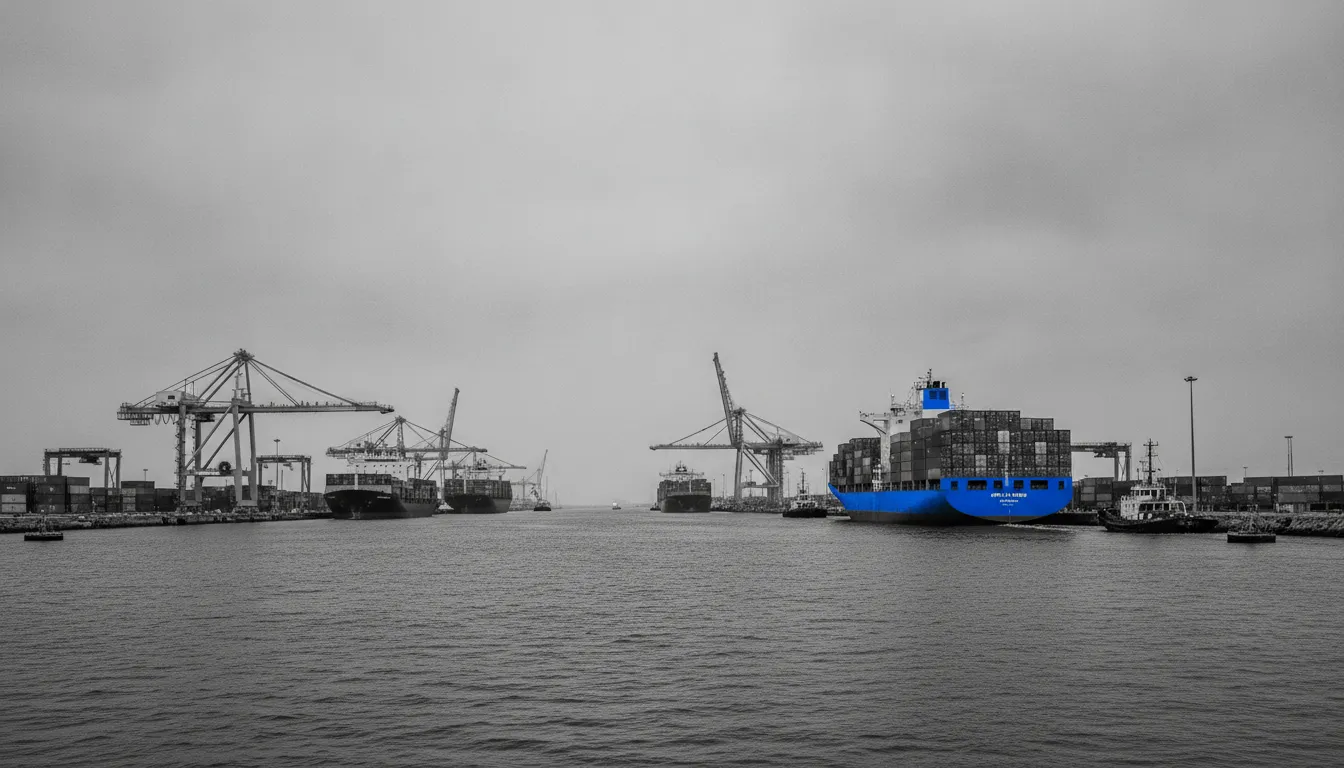
Durban Container Terminal Pier 2—which handles 72% of the Port of Durban's throughput and approximately 46% of South Africa's national container volumes—officially transitioned to joint operations with International Container Terminal Services Inc. (ICTSI) on January 1, 2026. The Manila-headquartered operator has committed R11 billion to a 25-year partnership under which Transnet Port Terminals (TPT) retains a 51% stake and ICTSI assumes operational control and performance accountability. The partnership agreement, signed 10 December 2025 after a lengthy legal dispute, sets a target of increasing gross crane moves from 18 to 28 per hour—a 56% productivity improvement. Annual capacity is expected to rise from 2 million to 2.8 million TEUs, whilst vessel working hours are targeted to double from 60 to 120.
As of mid-2026, ICTSI is now six months into operations and has begun implementing operational systems and performance management aligned to the concession targets. The operator is prioritizing turnaround-time reduction and equipment deployment; last year DCT Pier 2 took delivery of 20 haulers, two reach stackers, one empty container handler, and eight straddle carriers. Planned upgrades for 2025–2026 include new ship-to-shore cranes, 40 additional haulers, and 67 trailers, with phased arrivals scheduled through to December 2025. The productivity targets are not aspirational: Pier 2 is Transnet's most critical container facility, and ICTSI's track record—the operator runs 34 terminals across 19 countries, reporting 13.07 million TEUs and USD 2.74 billion in global revenue for 2024—signals disciplined execution capability.
Weather Variability and Operational Reliability: The Cape Town Wild Card
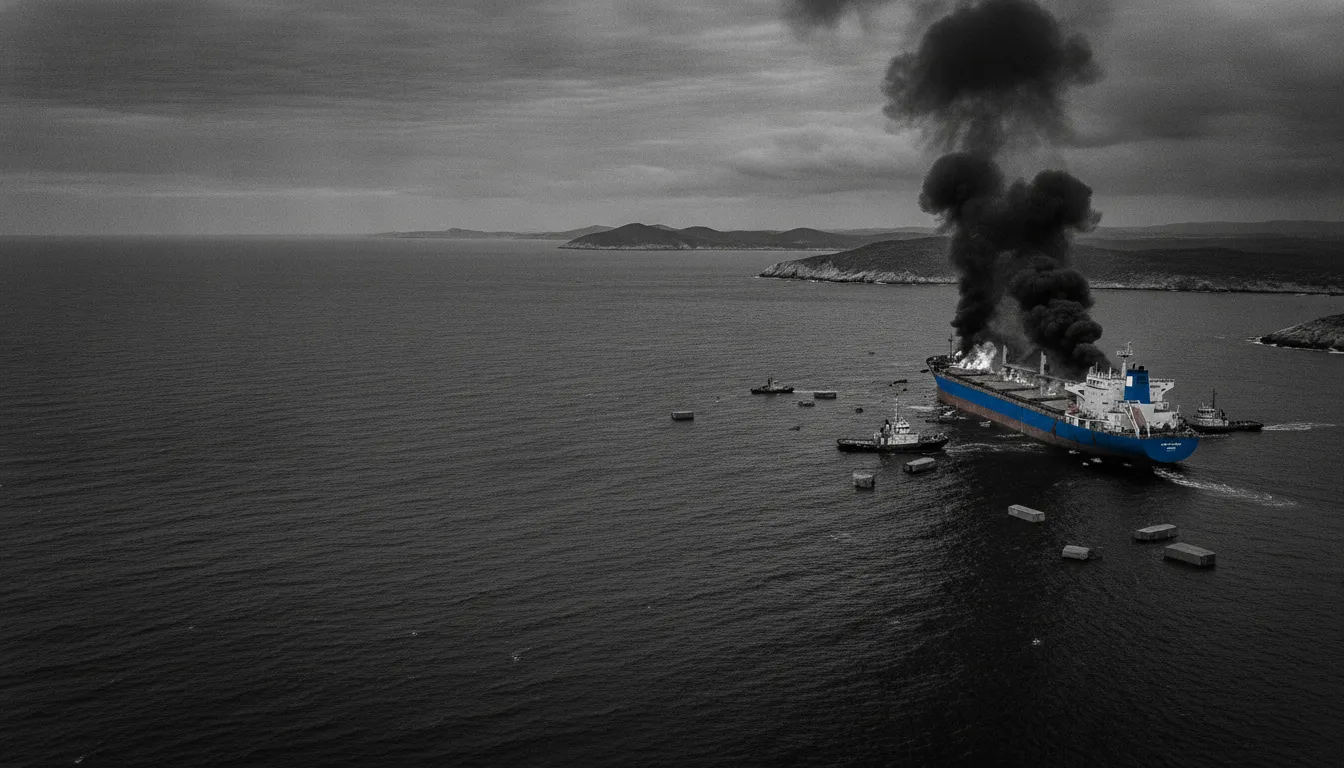
Cape Town remains vulnerable to weather disruption despite equipment modernisation. The 12-month period to March 2026 saw wind, fog, and vessel-ranging delays account for 74.15 days of downtime—a persistent structural constraint. The World Bank's June 2025 Container Port Performance Index ranked Cape Town last among 400 container ports globally (based on vessel time-in-port metrics), though the terminal has implemented mitigating measures including a helicopter pilot service for high-sea-state conditions and a wind-forecasting model developed with the Council for Scientific and Industrial Research. Vessel-arrival scheduling and cargo-staging discipline are therefore critical for ship suppliers: port-state variables beyond operator control mean bunkering and provisioning windows can compress suddenly. The terminal has announced that vessel turnaround times improved 33% in the current year compared to the prior year, but volatility remains a feature.
ICTSI and Transnet have publicly committed to addressing throughput velocity across the supply chain. However, suppliers should note that Cape Town's rebound is heavily dependent on sustained crane availability, workforce productivity, and weather luck. Supply-chain partners relying on guaranteed provisioning slots—particularly those serving reefer vessels during the southern hemisphere fruit season—are now required to coordinate through digital appointment systems (such as the Port Service Partnership's plug-point reservation platform) and maintain closer liaison with terminal operations to secure reliable service windows.
Tighter Scheduling Density and Bunker-Supply Implications
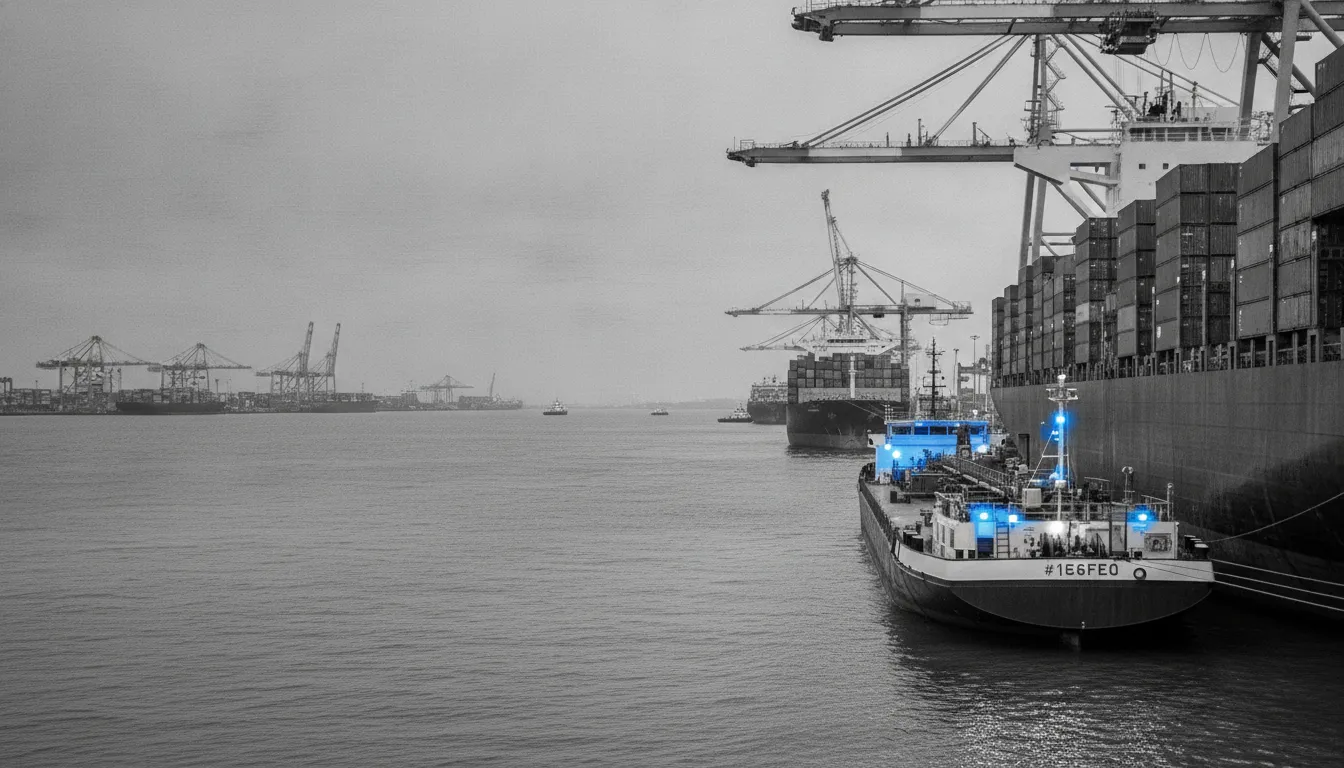
The simultaneous modernisation of Cape Town and Durban's ICTSI concession creates a dual-port acceleration that directly impacts bunker traders, ship chandlers, and port service providers. Vessel working hours at Durban Pier 2 are targeted to extend from 60 to 120 per concession period, compressing the idle time available for provisioning, bunkering, and survey work. At Cape Town, the shift to a hybrid RTG–straddle operating model and improved weather tolerance reduces delay buffers and increases discharge–load cycle speeds. For suppliers, this means:
Nomination slots for bunker deliveries and provisions must be coordinated with tighter pre-arrival notification windows. Bunker barges require secure positioning, often dependent on vessel availability and berth-clearance times that are now being compressed. Reefer-plug availability and cold-chain management become more time-critical, with less contingency for supply-chain disruption. Provisioning agents must pre-stage goods and manage just-in-time delivery to avoid congestion penalties and demurrage fees. Suppliers dependent on vessel-waiting time for ad-hoc orders (spares, emergency provisions, crew changes) face reduced opportunity windows and must maintain direct relationships with terminal operations for real-time priority access. Multi-vessel scheduling at the same terminal (common for shipping lines operating multiple feeder services) requires synchronised supply-chain choreography.
Capital Investment Trajectory and Equipment Standardisation
Transnet Port Terminals has invested R9 billion in new cargo-handling equipment across its 15 terminals over the past three years. For 2026–2027, planned capital allocations include straddle carriers and empty container handlers for Cape Town and Port Elizabeth; rubber-tyred gantry cranes for Durban Container Terminal Pier 1; reach stackers for multipurpose terminals; and haulers for Richards Bay operations. This systematic refresh signals medium-term confidence in port-sector viability and aligns with South Africa's broader port-reform agenda, which emphasises private-sector participation and public-private partnerships as catalysts for operational recovery. The ICTSI concession is the high-profile flagship of this approach; similar concession models are under discussion for other strategic terminals.
For suppliers, standardisation of equipment platforms (Kalmar straddle carriers, Liebherr RTGs, and ICTSI's preferred handling systems) creates both opportunity and constraint. Opportunity arises through predictable equipment performance, standardised operator training, and reduced compatibility friction. Constraint emerges when terminal switching or equipment substitution becomes critical; suppliers accustomed to working within one terminal's operational framework may face friction when adapting to a new concession operator's protocols, digital systems, or performance management discipline. The transition to ICTSI at Durban Pier 2 has already required supplier re-accreditation and process realignment.
What This Means for Ship Suppliers and Procurement Teams
The acceleration at Cape Town and Durban demands a strategic recalibration of supplier operations. Bunkering schedules must be locked earlier, with no tolerance for last-minute slot adjustments. Provisioning volumes should be pre-validated and staged in terminal-allocated lay-down areas or contracted cold storage; delays in cargo readiness now directly impact discharge timelines and incur terminal penalties. Crew-change management requires advance coordination with terminal labour-dispatch systems and port security. For suppliers managing multiple vessels across both ports, the compression of scheduling windows necessitates investment in real-time communication platforms and integration with terminal appointment systems. Suppliers without direct terminal APIs or EDI connectivity now face competitive disadvantage. Bunker traders should establish direct relationships with ICTSI's operational control centre at Durban Pier 2 and with CTCT's crane-scheduling office to secure provisional berth windows and monitor vessel ETA updates. Long-term contracts with shipping lines should explicitly allocate bunker and provision nomination windows, with penalty clauses for schedule compression beyond industry-standard notice periods. Port-state compliance (MARPOL checks, vetting surveys, incident reporting) remains unchanged, but the tighter turnaround cycles mean suppliers must complete all associated documentation and pre-delivery inspections before berthing.