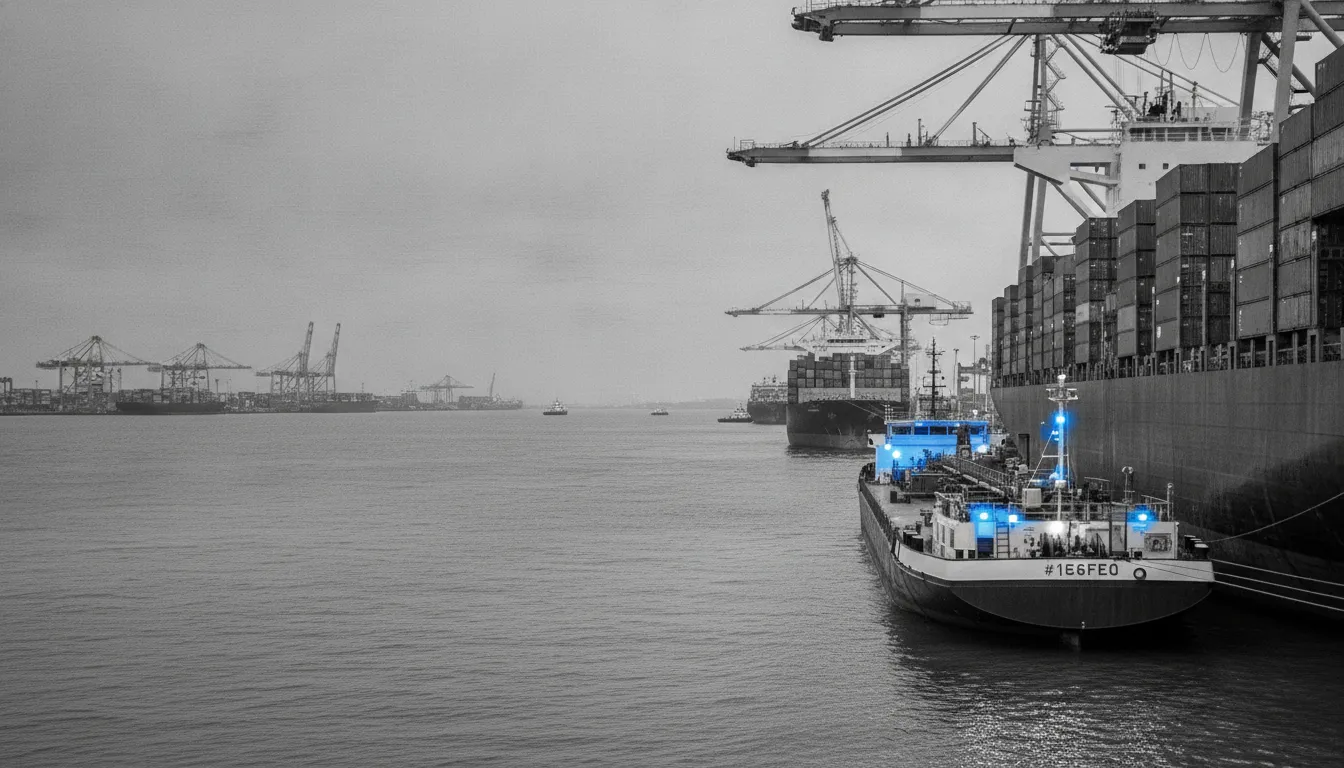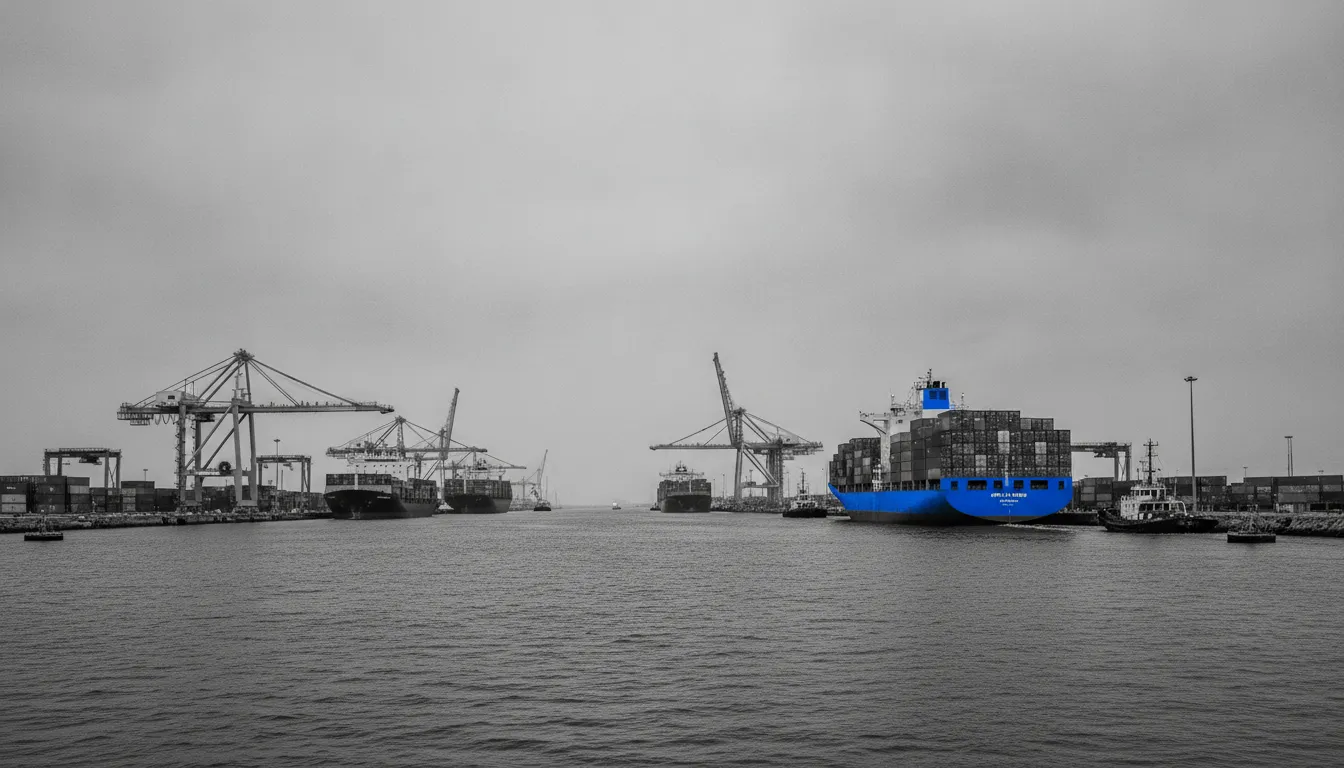
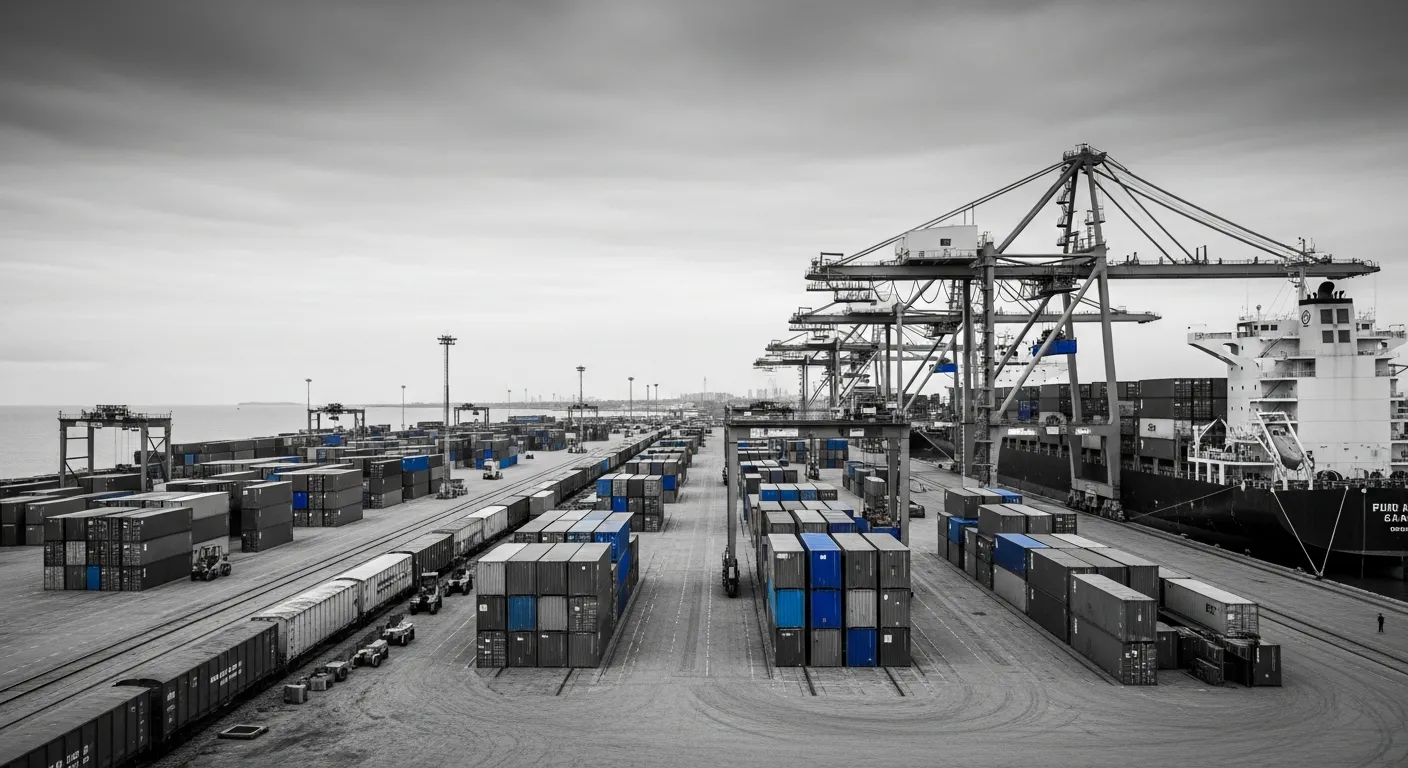
"A port succeeds when the whole chain moves," said Tanzania Ports Authority Director General Plasduce Mbossa. "Working a vessel fast helps, but the customer experiences the port through clearance and evacuation."
The 54.6-Million-Tonne Ambition: Scale and Timeline
On 30 December 2025, Tanzania Ports Authority's Operations Coordination Manager Josephat Lukindo announced a 54.59 million-tonne target by the 2030–31 financial year. While earlier official statements cited a more conservative 30 million-tonne target by 2030, the 54.59 figure signals significantly more aggressive internal growth expectations and reflects confidence in accelerating regional demand. The port handled 27.7 million tonnes in 2024–25, representing a 15 per cent year-on-year increase from 23.69 million tonnes the previous year. In the five-month period from July to November 2025, the port alone processed 13.97 million tonnes, compared with 10.4 million tonnes in the corresponding period the year before. This rapid acceleration reflects both the gains from private terminal concessions and strategic infrastructure upgrades financed through the $421 million Dar es Salaam Maritime Gateway Project, supported by concessional financing from the African Development Bank and other multilateral lenders.
To achieve near-doubling of volumes within five years, Tanzania Ports Authority is adding 10 additional berths (expanding from 12 to 22 total), integrating multiple rail networks connecting standard gauge, metre-gauge, and TAZARA lines, and expanding the Kwala Inland Container Depot to handle 300,000 containers annually—approximately 30 per cent of the port's total container traffic. The port entrance channel and berths have been deepened to 14.5 metres, removing tide restrictions and enabling larger Panamax and post-Panamax vessels carrying up to 8,000 TEUs to berth reliably with heavier loads. New oil storage infrastructure—15 tanks with combined capacity of 378,000 litres—is under construction and approximately 35 per cent complete as of January 2026, designed to reduce tanker waiting times and bolster petroleum handling capacity for landlocked neighbours Zambia, the Democratic Republic of Congo, and Uganda, which are increasingly dependent on Dar es Salaam for fuel imports.
Container and Bulk Cargo Surge: 25 Per Cent Growth in Seven Months
Container traffic between July 2025 and April 2026 reached 1,084,719 TEUs, a 25 per cent increase on the corresponding period the previous year—unequivocal evidence of volume acceleration driven by improved port efficiency and regional confidence. DP World, operating berths 0–7 under a 30-year concession signed in October 2023, initially handled 30,000 containers per month when it commenced operations in April 2024. By May 2026, it processed 44,001 TEUs in a single month, a 57 per cent jump from 27,953 TEUs in May 2025 and more than triple the 13,779 TEUs recorded in May 2024, demonstrating consistent month-on-month acceleration. Tanzania East Africa Gateway Terminal Limited (TEAGTL), managing berths 8–11, pushed monthly throughput to as many as 75,000 containers, consolidating earlier growth across the split terminal model. In Q1 2026 alone, container traffic measured in TEUs rose to 110,199, a 92 per cent increase from 57,401 TEUs in Q1 2025, with March 2026 accounting for 43,803 TEUs—the highest monthly volume achieved at the terminal.
Average vessel turnaround time has collapsed from 10 days to approximately 3 days, directly lowering demurrage exposure and shipping costs for cargo owners and enabling more frequent vessel rotations and schedule reliability. New gantry cranes process 30 containers per hour compared with 18 using older equipment, and in Q1 2026, the MSC Stella—a 305-metre container vessel—became the largest container ship ever handled at the port, signalling the terminal's capacity to accommodate modern mega-container tonnage. DP World has achieved a 90 per cent reduction in discharge time for comparable cargo, reducing operations from over 300 hours to under 28 hours through pure car and truck carrier (PCTC) operations and modern handling practices. These operational gains are already saving importers approximately $600 million annually by eliminating the previous $1,000-per-container demurrage fee, a substantial cost saving that directly improves the competitiveness of goods flowing through the port to regional markets.
Inland Logistics and Clearance: The Kwala Depot and Hinterland Connectivity
Port efficiency alone cannot sustain the 54.6-million-tonne goal without complementary inland logistics infrastructure. The Kwala Inland Container Depot, spanning 502 hectares and connected to the port via rail, is designed to handle 3,500 containers daily and over 300,000 annually—approximately 30 per cent of Dar es Salaam's total container traffic. This facility absorbs volumes from the quay, enabling faster cargo evacuation to landlocked hinterlands and reducing terminal congestion, critical for maintaining the port's three-day vessel turnaround advantage. In February 2026, five new Standard Gauge Railway cargo trains were deployed to relieve port pressure and route containers directly to Kwala and the Ihumwa dry port in Dodoma, strengthening the inland distribution network. The Malindi cargo terminal in Morogoro (68,000 square metres, 600 containers per day capacity) launched operations in June 2026, extending the inland logistics spine. Additionally, the $1.4 billion TAZARA (Tanzania–Zambia Railway Authority) refurbishment, now under a 30-year concession, further strengthens the rail spine into Zambia's Copperbelt and reinforces Dar es Salaam's role as a regional transshipment hub for mineral commodities and bulk cargo destined for Southern Africa.
Yet capacity gaps persist and represent a critical constraint on growth. According to Tanzania Shipping Agencies Corporation (TASAC), existing dry port infrastructure in Dar es Salaam can accommodate only 37,000 containers—far below current demand driven by rising imports, exports, and regional transit trade. TASAC notes that more than 80 per cent of Tanzania's dry ports are concentrated in Dar es Salaam, with Temeke District leading at 74 dry ports (64.3 per cent of the total), followed by Ilala with 22, Kigamboni with 13, Kinondoni with 4, and Ubungo with 2. Road congestion in the city reflects ongoing clearance bottlenecks, though Mbossa notes that congestion signals port efficiency rather than failure. TASAC is now implementing new strategies to expand inland dry port capacity nationwide and strengthen customs coordination with transport operators to ease hinterland blockages, particularly as cargo volumes surge ahead of inland handling capacity.
Regional Trade Flows: DRC, Zambia, Uganda, and the Mombasa Rivalry
Dar es Salaam is attracting substantial cargo from East and Central Africa's landlocked economies, fundamentally reshaping regional trade corridors. In 2024–25, the port handled nearly 6 million tonnes for the Democratic Republic of Congo, 3.5 million tonnes for Zambia, 1.7 million tonnes for Rwanda, and significant volumes for Burundi, Malawi, Uganda, and Zimbabwe. Rwanda is particularly dependent on the port, with 80 per cent of its cargo transiting Dar es Salaam rather than through Mombasa. This regional footprint is reinforced by Tanzania's strategic tariff positioning: the government has waived full port storage charges for goods destined for Rwanda and the eastern DRC to counter Mombasa's free transit cargo storage periods. The Central Corridor from Dar es Salaam to Uganda and eastern DRC spans approximately 1,300 km, compared with 1,700 km via Mombasa's Northern Corridor, providing Dar with a geographic and logistical advantage for time-sensitive cargo.
Despite Dar's emerging cost advantage, Mombasa has traditionally retained regional traffic through predictability, regulatory consistency, and institutional trust built over decades. However, strategic shifts signal changing patterns: Uganda's August 2024 decision to route oil imports through Dar es Salaam, targeting 36 million litres per month, represents a landmark strategic reorientation away from Kenya. This move followed years of complaints over congestion and technical bottlenecks at Mombasa, which the World Bank has cited for delays and inefficiencies. Container Port Performance Index rankings for 2024 show Dar es Salaam at position 367 globally, slightly ahead of Mombasa's 375th position, a reversal that reflects operational gains from private concession investment, automation, and improved customs clearance. Mombasa is projecting 2.4 million TEUs in 2026 and plans expansion of Terminal 19 following demolition of the old Kipevu oil terminal, but Dar es Salaam's speed advantage, lower vessel turnaround times, and emerging infrastructure investments are increasingly tilting shipper decisions toward the Tanzanian port, particularly for landlocked-bound cargo.
AfCFTA Integration and Intra-African Trade Acceleration
Dar es Salaam's expansion aligns with broader acceleration of intra-African trade driven by the African Continental Free Trade Area. In 2024, intra-African trade surged to an estimated $220.3 billion, reflecting 12.4 per cent year-on-year growth, marking a strong rebound from 2023's 5.9 per cent contraction. East Africa, led by Kenya and Tanzania, ranks as the third-largest intra-African trading region after Southern Africa and West Africa. Tanzania's exports to Africa reached $2.65 billion in 2023, with imports at $1.5 billion, positioning the country as a key node in continental trade networks. However, intra-African trade currently accounts for only 16 per cent of Africa's total trade volume, compared with 57 per cent in Asia and 68 per cent in Europe, leaving substantial upside potential. The African Continental Free Trade Area is projected to increase intra-African commerce by 35 per cent by 2045, and ports like Dar es Salaam are positioned at the gateway of this transformation. The DRC's integration into the East African Community in 2023 has added enormous potential: the DRC's natural resources, vast hinterland population, and emerging industrialisation create sustained demand for import–export corridors linking the Indian Ocean to Central Africa.
East African Community trade reached $46.3 billion in Q1 2026, with Kenya and Tanzania serving as the dominant trading gateways for the bloc comprising Burundi, DRC, Kenya, Rwanda, South Sudan, Tanzania, and Uganda. Manufacturing and agricultural products constitute significant portions of intra-EAC commerce, with textile, food processing, and construction materials sectors showing particular strength in cross-border trade. As stronger regional demand reshapes trade patterns, increased urbanisation and population growth are driving intra-African trade in fast-moving consumer goods, construction materials, and processed goods. For ship suppliers and procurement operators, this dynamic signals rising demand for container handling, warehousing, cargo insurance, trade finance, and transport logistics services across East and Central Africa, with Dar es Salaam emerging as the regional hub anchoring these supply chain networks.
Supply Chain Implications for Buyers and Procurement: Cost Savings and Network Repositioning
For procurement teams and buyers entering East African import–export networks, Dar es Salaam's transformation carries immediate and strategic implications. Faster vessel turnaround times (3 days versus Mombasa's traditional pace) and demurrage-free operations reduce total logistics costs, improve schedule reliability, and strengthen just-in-time supply chain feasibility for time-sensitive goods. DP World's planned equipment procurement—eight rubber-tyred gantry cranes, 10 terminal tractors, nine trailers, and upgraded mobile harbour cranes over three years—signals long-term terminal productivity gains and reinforces the competitive edge against regional rivals. Safety performance has also improved, with container handling productivity rising 100 per cent following the introduction of ship-to-shore (STS) operations, and a 15 per cent rise in RoRo productivity, with vessel waiting times reduced from 35 vessels in April 2024 to 17 in April 2026.
Operational efficiency improvements have lifted Tanzania Revenue Authority (TRA) customs collections from Sh800 billion to over Sh1 trillion monthly average, reflecting faster cargo throughput and improved compliance frameworks. The January 2026 tariff revision and upgrade of the customs system (NTANCIS) provide transparent, standardised pricing frameworks that benefit importers by reducing informal charges and improving predictability. Regional sourcing patterns are shifting: importers serving Uganda, Rwanda, Burundi, DRC, and Zambia are increasingly evaluating Dar es Salaam as their preferred gateway, particularly for fast-moving consumer goods, building materials, and mineral commodities. The emerging inland dry port network—Kwala, Morogoro, Dodoma—enables buyers to establish regional distribution hubs deeper within East and Central African markets, reducing final-mile delivery costs and supporting SME participation in cross-border trade. As Dar es Salaam consolidates its role as a supply chain anchor for 35 per cent of Tanzania's international transactions and increasingly for regional landlocked economies, procurement functions must adapt to new tariffs, customs procedures under NTANCIS, and competition for berth and inland facility space during peak trading seasons.