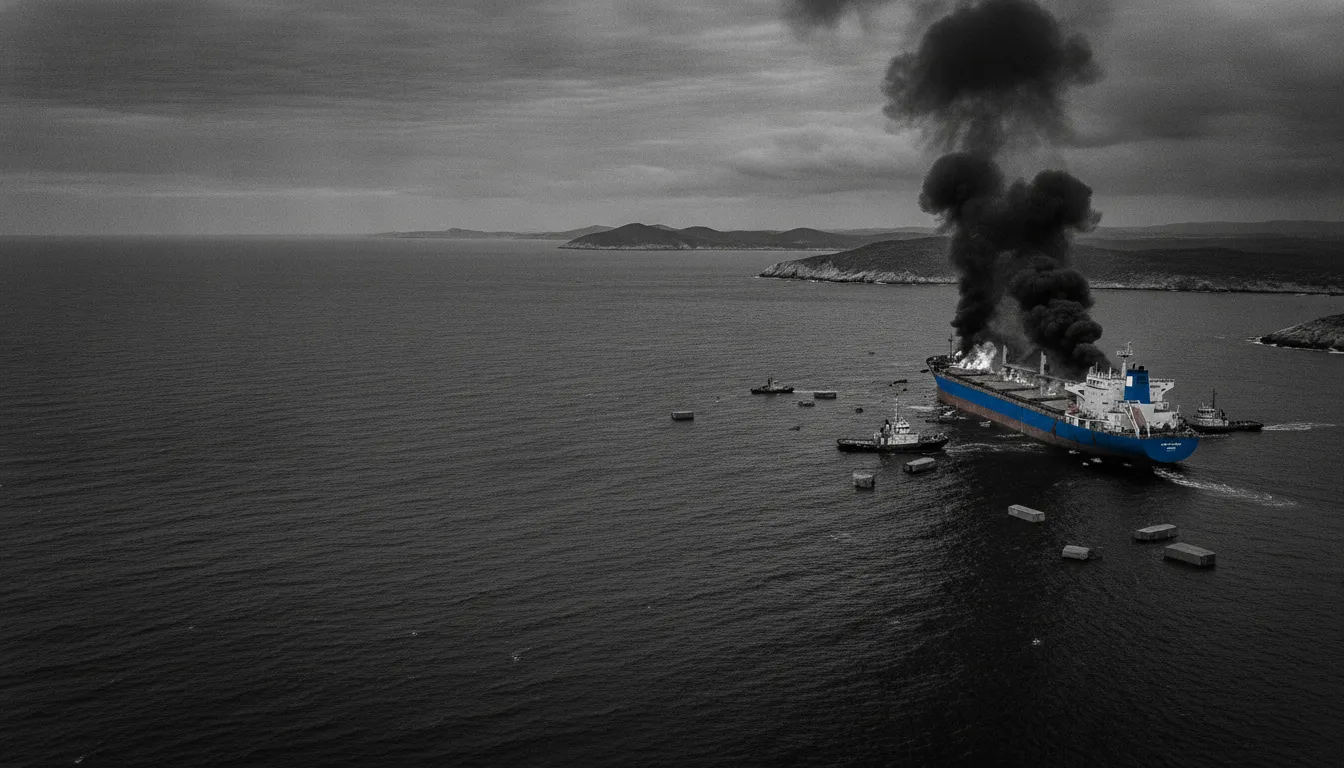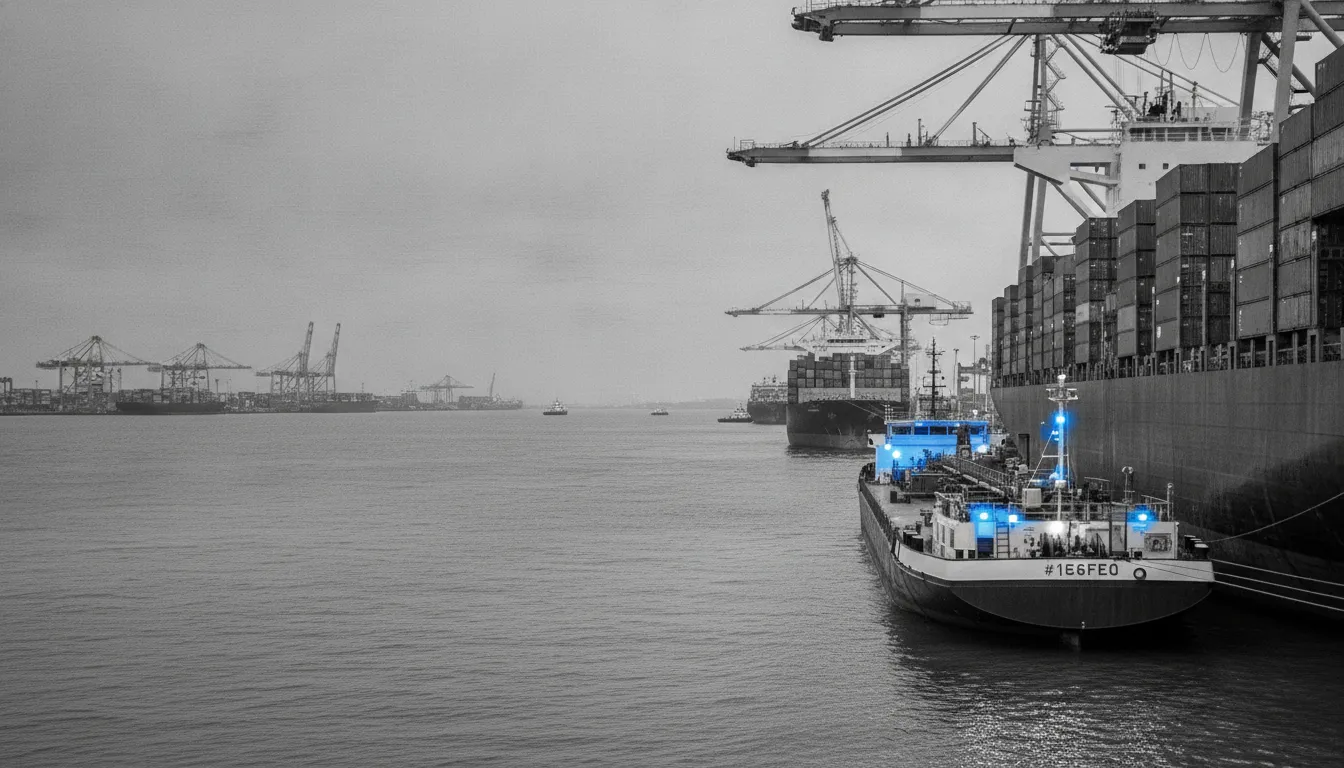

"For the first time, we are also targeting vessels that assist the shadow fleet – providing bunkering and other services for example."—European Commission President Ursula von der Leyen, June 9, 2026
The Structural Shift: From Vessel Sanctions to Service-Provider Exposure
Previous EU sanctions packages (1–20) focused on sanctioning individual vessels, their operators, and the financial institutions enabling transactions. The 21st package fundamentally reframes the risk: compliance exposure now extends to the service providers that enable shadow fleet operations to continue. This is not a marginal expansion—it is a deliberate move to close what the Commission views as a loophole that has allowed bunkering supply chains to remain partially insulated from sanctions pressure. Under the 20th package (adopted April 2026), the EU had already designated 632 vessels as shadow fleet assets. The 21st package proposes adding 30 more, bringing the total to more than 660 designated ships.
Crucially, the new measure targets not only those who knowingly fuel sanctioned vessels but those who provide services to any vessel operating within the shadow fleet ecosystem—regardless of whether that specific ship appears on a sanctions list. This means a vessel can pass all standard EU, UK, and US sanctions-list checks and still expose the bunker supplier to enforcement risk if the vessel's operational pattern marks it as part of the sanctions-evasion infrastructure.
The Compliance Gap: Why List-Based Screening Is No Longer Sufficient
The compliance challenge is neither subtle nor trivial. Historically, bunkering suppliers have conducted binary vessel screening: check the vessel against sanctions lists; if clean, proceed; if designated, decline or escalate. This transactional model has become inadequate. Under the proposed 21st package, that approach leaves suppliers exposed, because a vessel can remain unsanctioned as an individual designation whilst displaying behavioral patterns—loitering, dark activity (AIS off), repeated calls near sanctioned ports, frequent reflagging—that signal shadow fleet involvement.
Real-world verification is further complicated by technical spoofing. Approximately 978,000 GPS jamming events were recorded globally in Q1 2026, with 98% concentrated in the Middle East Gulf—precisely where shadow fleet activity is most concentrated. Vessel broadcast voyage histories may reflect injected coordinates rather than actual movements, rendering traditional AIS-derived vessel histories unreliable for screening purposes. Suppliers relying solely on AIS data are screening on information known to carry embedded uncertainty in the exact regions where risk is highest.
Who Bears the Most Direct Exposure
The bunkering value chain faces differentiated risk. Physical bunker suppliers face the most direct exposure: delivering fuel to a vessel identified as part of the shadow fleet ecosystem can now bring the supplier within scope of sanctions, irrespective of whether that individual ship is yet listed. Suppliers operating in high-risk regions—the Middle East Gulf, Mediterranean, and Asian bunkering hubs—face concentrated enforcement risk.
Traders and brokers facilitating transactions between operators and physical suppliers face intermediate exposure. The targeting of vessels providing bunkering services can extend to the contractual chain arranging those services, particularly where traders and brokers were aware, or should reasonably have been aware, of the vessel's shadow fleet status. Terminal operators and port-based service providers face exposure through measures targeting ports, airports, and refineries trading or processing Russian oil. Ship management firms arranging bunkering on behalf of managed fleets face exposure when those fleets operate within the shadow fleet ecosystem, or when their bunkering counterparties are themselves under scrutiny.
The Four Pillars of Compliance Response
Bunkering operators preparing for the 21st package's entry into force must undertake preparatory work in four distinct areas. First: screening must expand beyond sanctions lists to include behavioral indicators, ownership structures, flag histories, and operating patterns associated with shadow fleet risk. A vessel's corporate ownership chain, reflagging frequency, and historical port calls all contribute to shadow fleet risk assessment—none are captured by list-based checks alone. Enhanced review should be triggered even when a vessel passes list-based screening, particularly if the vessel exhibits behavioral red flags: loitering patterns, dark activity, or repeated operations in regions of concern.
Second: vessel verification must incorporate multi-source intelligence beyond AIS. Satellite imagery, radio frequency detection, and behavioral analysis provide counterweight to GPS jamming and AIS manipulation. Third: contractual protections must be updated. Standard sanctions clauses written for earlier packages do not capture the structural shift to service-provision exposure. Revised warranties, indemnities, and termination rights should explicitly address shadow fleet ecosystem risk, not merely whether a vessel is individually designated. Fourth: internal escalation and documentation protocols must ensure higher-risk bunkering decisions are formally reviewed and fully documented, capturing the broader due diligence approach beyond list checks. Regulators will expect to see not just that a decision was made, but how the assessment was conducted and what evidence supported the decision to proceed.
Reputational Risk and Cross-Border Complexity
Beyond regulatory exposure, suppliers face reputational risk in a market where shadow fleet associations carry acute commercial consequences. Moreover, ship management firms and suppliers operating across jurisdictions with differing sanctions postures face acute complexity: a bunkering arrangement may be permissible in one regulatory environment and expose suppliers to designation in another. A vessel cleared for bunkering under one sanctions regime may face heightened scrutiny under a different regime, leaving suppliers caught between competing legal frameworks. This fragmentation amplifies the administrative burden and the commercial risk for operators attempting to trade compliantly.
What This Means for You
The 21st package represents a shift from static compliance (checking lists) to dynamic risk management (assessing ecosystem involvement). For procurement teams sourcing bunkers, counterparty screening must now extend beyond vessel KYC to ownership chains, flag history, and operational context. For suppliers, the preparation window between proposal (9 June) and targeted adoption (15 July) is narrow; operators waiting for formal adoption to revise compliance posture will be starting behind the regulatory clock. For traders and brokers, standard sanctions language is no longer fit for purpose—contracts must be revised to reflect the structural shift to service-provider exposure. For ship managers, chartering and bunkering decisions now require documented evidence of shadow fleet ecosystem assessment, not merely list checks. The largest bunkering firms have implemented robust internal processes since 2022, but the 21st package raises the baseline: compliance gaps that persisted under earlier frameworks are now open enforcement vectors, with exposure arriving on entry into force.