"Bunker availability remains under strain globally, with Singapore seeing lead times stretch to more than four weeks at the upper end, and smaller suppliers squeezed out entirely." — ENGINE market report, July 2026
Hormuz Blockade and Refinery Output Cuts Drive Supply Shock
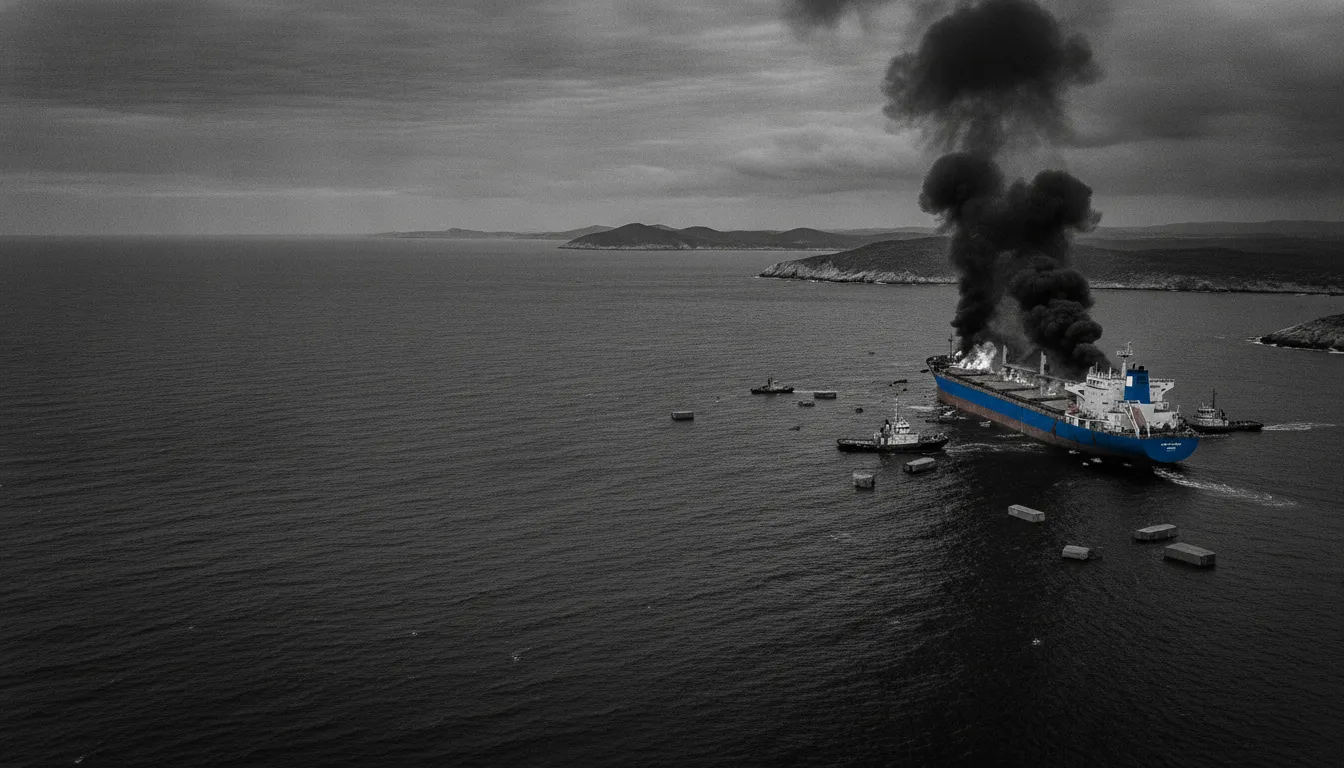
The Strait of Hormuz closure, which began 28 February 2026 following US-Israel strikes on Iran, has proven the largest disruption to global oil markets in history. Approximately 25% of the world's seaborne oil trade normally transits the strait, and its effective closure since late February has severed Middle East crude flows that feed Asian and European refineries. Compounded by Iran's retaliatory threats and subsequent US counter-blockades (April–May 2026), the supply vacuum has cascaded into bunker markets, particularly affecting heavy fuel oil (HSFO) and very-low-sulphur fuel oil (VLSFO) availability in Asia-Pacific hubs.
Japanese refiners have sharply cut bunker output in response. One major supplier has fully suspended spot bunker supply for ocean-going vessels, whilst others have reduced volumes by 50–90%. Tokyo Bay now sees VLSFO and HSFO stems of only 200–500 metric tonnes occasionally available, whilst western Japanese ports report almost no spot availability. Lead times across major Japanese ports (Tokyo, Chiba, Kawasaki, Nagoya, Yokkaichi) now stand at 7–10 days for HSFO and 10–12 days for VLSFO; at Osaka, Kobe, and Kashima, both grades are offered only on enquiry.
China's Fuel Export Curbs Squeeze Asian Supply
In mid-March 2026, China's National Development and Reform Commission ordered a ban on refined-fuel exports to prioritise domestic supply, following failed nuclear negotiations and the Hormuz crisis. Although bonded bunker sales for international voyages were technically exempted, the measure has substantially reduced VLSFO and marine gas oil (MGO) flows reaching Asia. China, previously Asia's fourth-largest exporter of clean fuels, saw April fuel shipments fall to just 320,000 metric tonnes in the first two weeks—a sixth of year-earlier levels, according to tanker tracker Vortexa.
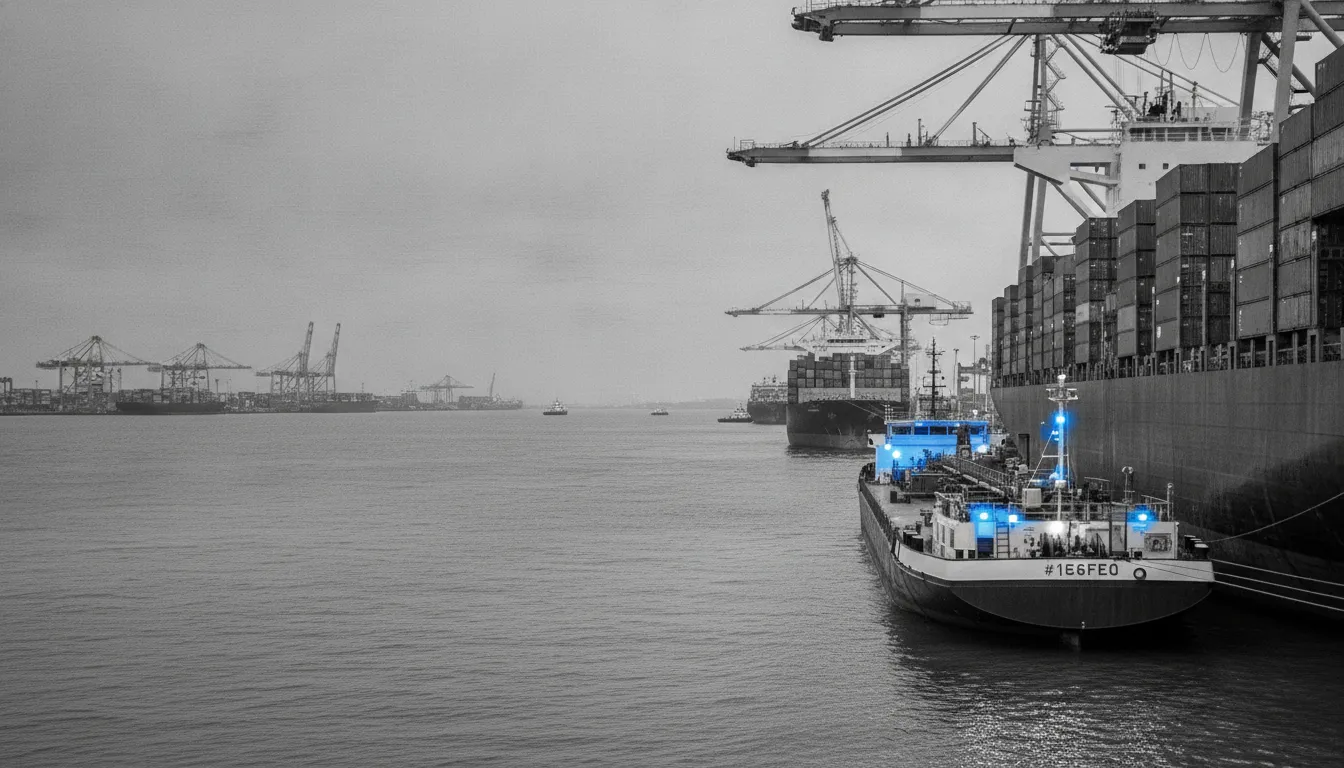
Singapore's inventories have borne the brunt: residual fuel oil stocks averaged 18% lower in June than May and are now at multi-year lows of approximately 15 million barrels, whilst middle distillate stocks have declined to 7.89 million barrels—14% below previous levels. VLSFO delivery lead times in Singapore have widened to 15–18 days as of mid-July, with the upper range exceeding four weeks at certain suppliers. Small parcel buyers (under 500 metric tonnes) face substantial premiums or outright refusal.
Europe and Africa Strain Under 10–15 Day Lead Times
European bunkering hubs are experiencing sustained tightness, though less acute than Asia. As of June 2026, Gibraltar, Algeciras, and Ceuta all require lead times of approximately 10 days to avoid steep premiums, whilst Las Palmas and Malta require 7–10 days. The ARA hub (Amsterdam-Rotterdam-Antwerp) independently held fuel oil stocks remained largely unchanged in June versus May but at levels representing the lowest recorded in over ten years. Inbound shipments were marginal (220,000 barrels per day in June, down from 230,000 in May), originating primarily from Syria (24%), the US Virgin Islands (14%), and Colombia (13%).
In Africa, tightness is spatially uneven but persistent. Lagos requires approximately seven days' notice for VLSFO, whilst Lome and Walvis Bay need ten days. South Africa's Durban and Algoa Bay require 5–7 days' advance booking. Mozambique's Nacala and Maputo extend to 7–10 days. European ports continue to encounter delays at loading terminals, and buyers are advised to schedule VLSFO and HSFO orders roughly seven days ahead, with LSMGO requiring five days' notice to secure competitive pricing from a broad supplier base.
Japan, Australia Face Critically Tight Conditions; Supplier Consolidation Accelerates
Japan's bunker crisis has triggered immediate strategic responses: many ocean-going vessels now seek fuel in South Korea and China to avoid Japan's regional premiums and limited availability. Similarly, Western Australia's Kwinana and Fremantle ports depend on a single barge operator, leaving supplies fragile. Lead times of seven days are standard, yet inventory certainty remains low. Australia's overall bunker availability remains stable nationally, but this masks operational bottlenecks for vessels with tight schedules. Suppliers across Oceania indicate that smaller truck-based suppliers are struggling due to tightened daily terminal quotas imposed by major port operators.
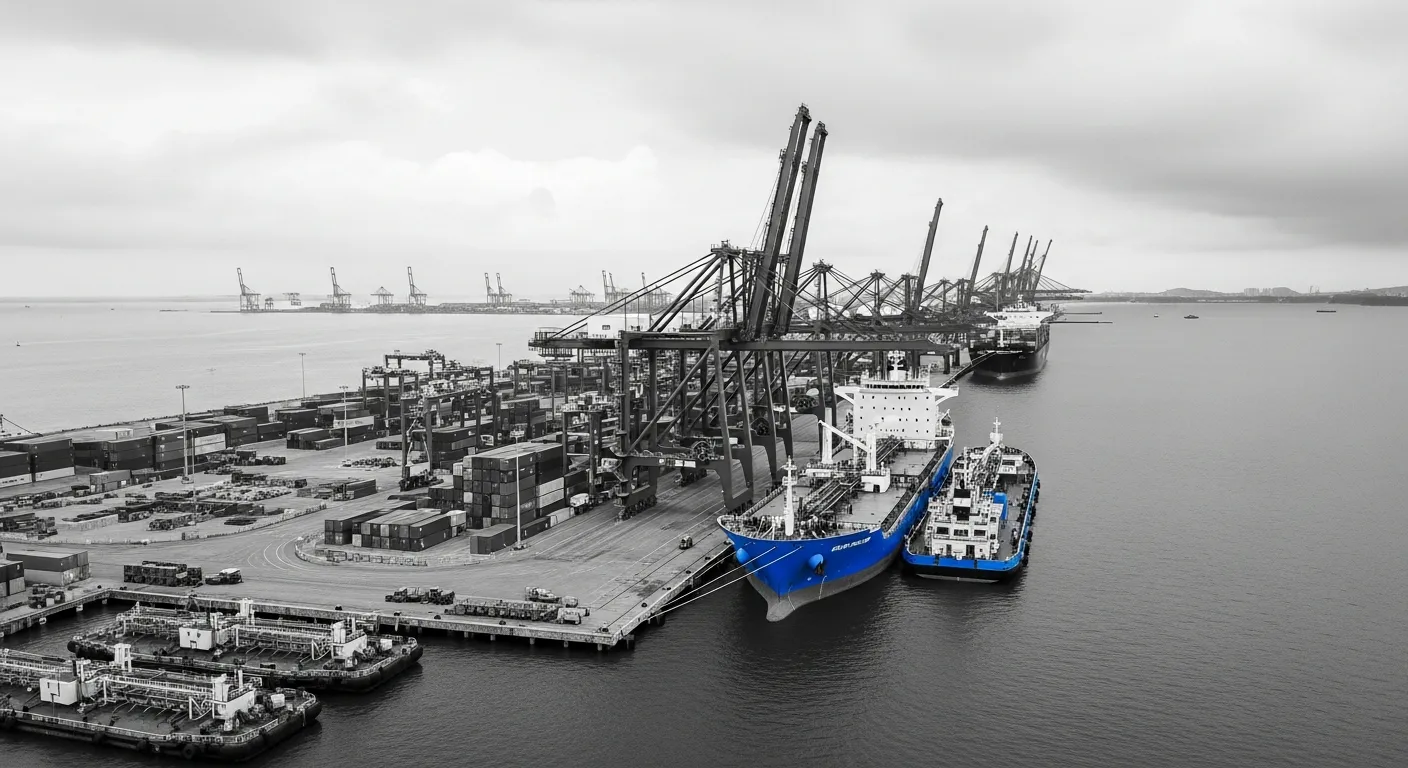
The consolidation pressure is acute: major suppliers (Vitol, Shell, Chevron, Maersk) continue to deliver, but independent and mid-sized bunker traders are progressively squeezed. At the same time, Vitol Bunkers announced new commercial bunkering services at Gwadar Port, Pakistan (14 July 2026), offering HSFO, VLSFO, and LSMGO—a tactical move to diversify supply nodes and reduce dependency on Singapore and Middle Eastern hubs. This signals industry recognition that single-hub sourcing is now untenable through 2026 and beyond.
Procurement Timing Shifts: Early Spot Locks and Hub Diversification Imperative
Bunker procurement calendars have fundamentally changed. Buyers must now book spot contracts 7–15 days in advance across most global ports, versus the historical 2–5 day norm. Mediterranean ports (Piraeus, Istanbul, Algeciras) still offer 1–3 day availability, but these exceptions are dwindling. For Q3 and Q4 2026, when seasonal heating demand in Europe and winter fuel demand in East Asia converge, stockpiling by refiners will further compress spot supply. Traders and procurement managers report that early commitment to multi-month contracts, though locking in higher unit prices, is now preferable to gambling on spot availability and paying urgent premiums (typically 15–25% above spot baseline).
Diversification of supply hubs is no longer optional. Istanbul (1–3 days), Colombo (prompt supply with sufficient stocks), and Indonesia (Jakarta, Surabaya: 2–3 day lead times) remain reliable alternatives for operators willing to deviate from major Asia-Pacific routes. Smaller operators unable to negotiate long-term contracts with major suppliers should consider regional spot aggregators (e.g., ENGINE, AuctionConnect) to pool demand and access competitive pricing. Buyers should also budget for sustained premium pricing: Singapore VLSFO premiums over Brent averaged approximately $36.50/mt in early March 2026 and spiked to historical highs; whilst current levels are lower, regional spreads remain elevated against pre-crisis baselines.
What This Means for Buyers and Operators
Immediate actions: Lock in 30–60 day forward contracts with at least two primary suppliers per fuel grade; confirm loading windows and berth slots no fewer than 10 days in advance; establish secondary sourcing from geographically diverse hubs (e.g., Istanbul, Colombo, South Korea, Indonesia) as contingency reserves. Longer-term strategy requires hedging against Q4 demand peaks by securing early-season stockpiles and diversifying vessel itineraries to include reliable secondary refuelling ports. Expect elevated unit costs and delivery volatility through year-end. Smaller suppliers and spot-only operators face sustained margin compression; consolidation and partnerships with tier-one bunker firms will likely accelerate. Finally, monitor Strait of Hormuz geopolitical developments and Chinese export-policy shifts continuously: any escalation or new restrictions will trigger immediate repricing and lead-time extensions across all hubs.