
"The Houthis are looking to extract key concessions for their own domestic purposes, calling for a complete end to Saudi restrictions on their air and seaports," according to analysts at The Washington Institute. The blockade follows a 13 July Saudi strike on Sanaa airport that prevented a sanctioned Mahan Air flight from Iran from landing, violating a four-year ceasefire and marking a clear escalation in the wider Iran war.
Blockade Declared, Enforcement Begins
On 20 July 2026, Yemen-based Houthi rebels declared a complete naval blockade of Saudi Arabia, marking a dramatic escalation in the 2026 Iran war and opening a new pressure point on global energy markets. The announcement came after Saudi Arabia's 13 July strike on Sanaa airport, which halted a Mahan Air flight carrying a Houthi delegation from Iran. Within days, Houthi enforcement became concrete: ship-tracking data from MarineTraffic and analysis by Lloyd's List confirmed that at least seven cargo vessels bound for Saudi Arabia reversed course by 22 July as the Iran-aligned group began actively enforcing the blockade.
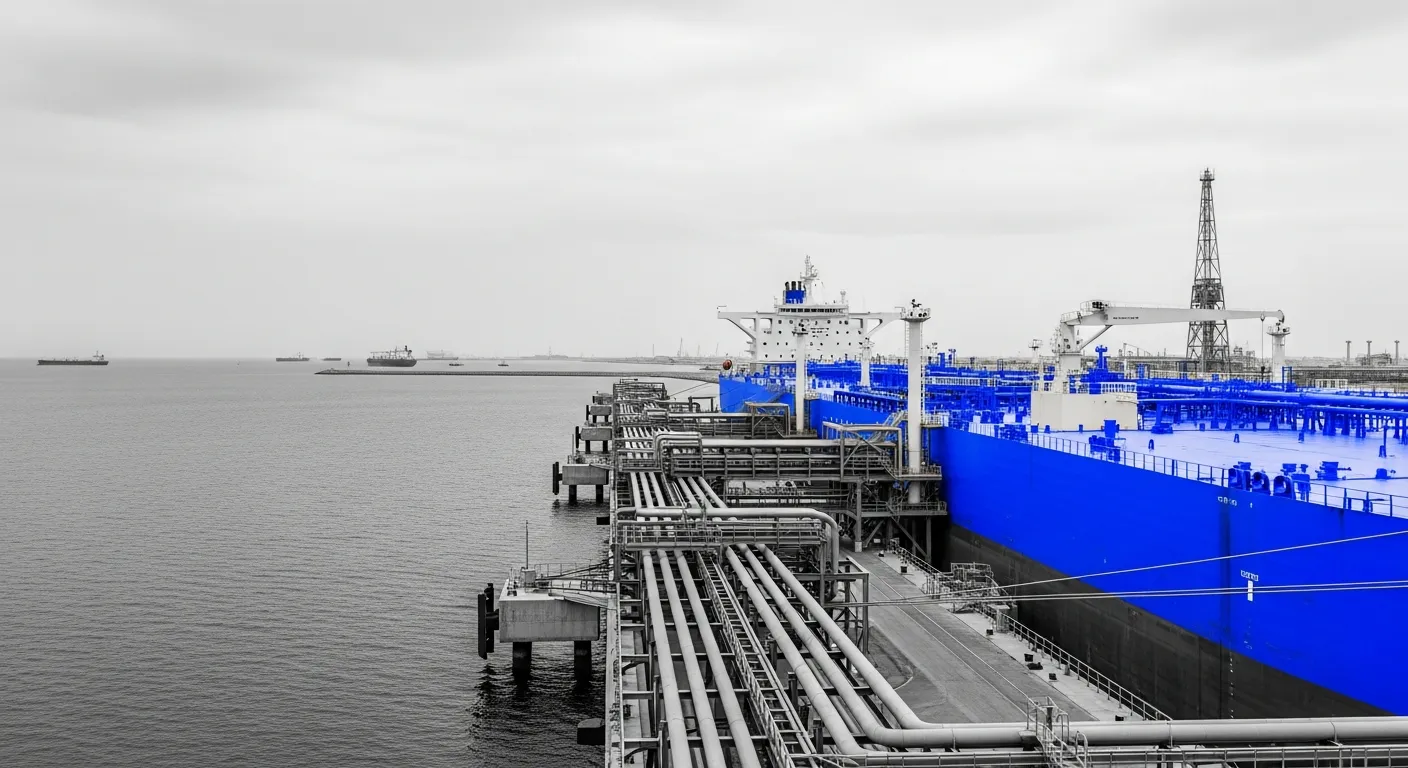
The blockade targets Saudi Arabia's energy and container exports through the Bab el-Mandeb Strait—the twenty-mile-wide entry point to the Red Sea from the Indian Ocean and a route historically facilitating about 7 per cent of the world's oil supply. Saudi-flagged tankers faced immediate attack: the NCC Masa sustained minor hull damage on 24 July whilst sailing in the Red Sea, and the Saudi-owned tanker Encelia was attacked on Wednesday, causing fire but with all crew members confirmed safe. Lloyd's List intelligence indicates the threat is "perceived to be largely aimed at crude exports from Yanbu, which has become Saudi Arabia's critical relief valve during the Strait of Hormuz closure."
Jeddah and Ras Tanura Under Pressure
Saudi Arabia's primary Red Sea gateway, Jeddah Islamic Port, faces sharply reduced inbound traffic as major container carriers redirect non-Saudi consignees away from the blockade zone. Maersk announced in June 2026 that cargo destined for Kuwait, Bahrain, Iraq, the UAE, and Qatar—previously routed via Jeddah—will be transshipped through Salalah in Oman and Khor Fakkan, followed by overland trucking to Sharjah for onward intra-Gulf feeder connections. The carrier added rerouting charges to all affected customers, signalling to procurement teams that surcharges are now a permanent cost component on diverted trade.
Ras Tanura, Saudi Aramco's primary Gulf export terminal, handles the majority of crude destined for Asia via the Strait of Hormuz—itself under strain from Iran's near-closure. When Ras Tanura shut on 2 March 2026 following Iran-linked regional attacks, Saudi Aramco terminals on the Red Sea pivoted rapidly: within days, Yanbu South Terminal was handling nearly 6 million barrels per day, confirming that Saudi Arabia's Red Sea bypass is no longer a contingency but a primary export route. Yet Yanbu now faces dual pressure: the Hormuz closure constrains crude supply upstream, whilst the Houthi blockade prevents exports downstream. Lloyd's List warns that "any strangulation of Saudi oil supplies via the Red Sea route will further weigh on energy shipments from the Middle East."
Bunker Supply Fragmentation Across Replacement Ports
Vessel operators and ship suppliers face acute bunker access decisions across the widening reroute corridor. Regional bunker traders report that ports of Jeddah and Yanbu have experienced a sharp drop in transiting traffic since the blockade declaration on 20 July, whilst alternative ports such as Dammam and Sohar have experienced mounting congestion and emerging fuel shortages. A Dubai-based trading source reported vessels transiting with AIS destinations marked as "Armed guards onboard," a sign of heightened security measures amid growing threats. Maritime research firm Peninsula warned on 24 July of a "perfect storm" for global tanker operators: "The unprecedented surge in tonne-mile demand is now intersecting with stringent Mediterranean emissions regulations, threatening to more than double operational costs and severely tighten bunker supply at alternative key ports."
Bunker demand spiked sharply at alternative supply points. Sohar (Oman) and Dammam (Saudi Arabia's Gulf container hub) have become congestion pinch points as vessels reroute to avoid the Houthi blockade. According to regional market intelligence, alternative ports such as Port Said (Egypt), Malta, Gibraltar, Algeciras, Las Palmas, Algoa Bay, and Port Louis (Mauritius) are experiencing significantly increased demand in physical supply. Bunker fuel demand surged up to 30 per cent at South African ports such as Cape Town and Durban as vessels diverted from the Red Sea–Suez route, stressing infrastructure and triggering supply delays and price hikes due to the increased demand burden.
Cape Route and Mediterranean Diversions: Higher Costs, Fragmented Supply
With both the Hormuz closure and Red Sea blockade in place, the Cape of Good Hope route now dominates outbound Asia–Europe trade. The detour adds 3,500 to 4,000 nautical miles and 10 to 14 days to voyage times, with significantly higher fuel costs and freight rates. Major carriers including Maersk, Hapag-Lloyd, and CMA CGM reroute vessels around the Cape, creating demand pressures at emerging African bunkering hubs and traditional Mediterranean entry points. Peninsula notes that vessels exiting the Red Sea via the Suez Canal and navigating westbound through the Mediterranean "could more than double the normal tonne-mile demand," straining bunker availability at ports in the Western Mediterranean and North Africa. Ship-to-ship (STS) transfer and bunker activities have surged at ports including Sohar, Colombo, and along the South African coastline, as operators adapt fuelling strategies to longer voyages. The system adjusts, but the cost is cumulative: longer routes raise tonne-mile fuel demand, whilst regional bunker hubs must source from alternative, often distant, markets—breaking the traditional supply-demand link that once anchored Gulf bunkering economics.
Procurement Response: Early Nominations and Alternative Sourcing
Procurement teams managing time-critical fuel and ship supply contracts must adopt defensive sourcing strategies. Early nominations—advance booking of bunker volumes—have emerged as essential mitigation at key hubs such as Piraeus (Greece), Istanbul, and regional bunker markets. Operators are shifting to safer maritime lanes despite longer voyages and higher fuel consumption, using early nominations at Mediterranean and Asian ports to secure fuel ahead of demand surges. The bunker industry has historically adapted to supply disruptions—IMO regulations, geopolitical tensions, or natural occurrences—by shifting demand across locations. However, current dual-chokepoint disruption (Hormuz plus Red Sea) is qualitatively different: buyers can no longer rely on Gulf-linked flows. Instead, procurement strategies must now stretch across West Africa, the Indian Ocean, South Asia, and Europe. Salalah, once a secondary transshipment point, is now a critical node—though it remains vulnerable: on 28 March 2026, Port of Salalah operations suspended following a drone attack that damaged a terminal crane, resuming only on 31 March with enhanced security measures.
What This Means for You
The July 2026 Houthi blockade compounds an already fractured supply chain. Buyers accustomed to Gulf-hub bunker sourcing must now diversify across Omani, Egyptian, Mediterranean, and African ports. Container cargo intended for Saudi destinations still clears Jeddah via landbridge, but non-Saudi Gulf consignees now route through Salalah and Khor Fakkan with additional surcharges and extended transit times. Ship suppliers must expand inventory management across multiple low-reliability ports; fuel specifications must be confirmed upfront as compliance regulations vary across Mediterranean and Asian supply hubs. Insurance premiums for Red Sea transit have spiked sharply. The system adapts, but adaptation now carries structural costs: fragmented sourcing, elevated logistics complexity, and the near-certainty that blockade-related surcharges will remain embedded in freight costs until geopolitical de-escalation occurs. Plan for extended disruption, nominate fuel volumes early, and confirm landbridge routing with carriers in writing.


