
"The flashpoint of oil fuel was one of the safety issues requiring approval." — IMO Technical File, SOLAS II-2 Amendments 2026
The Regulatory Flashpoint: Why January 2026 Changed Everything
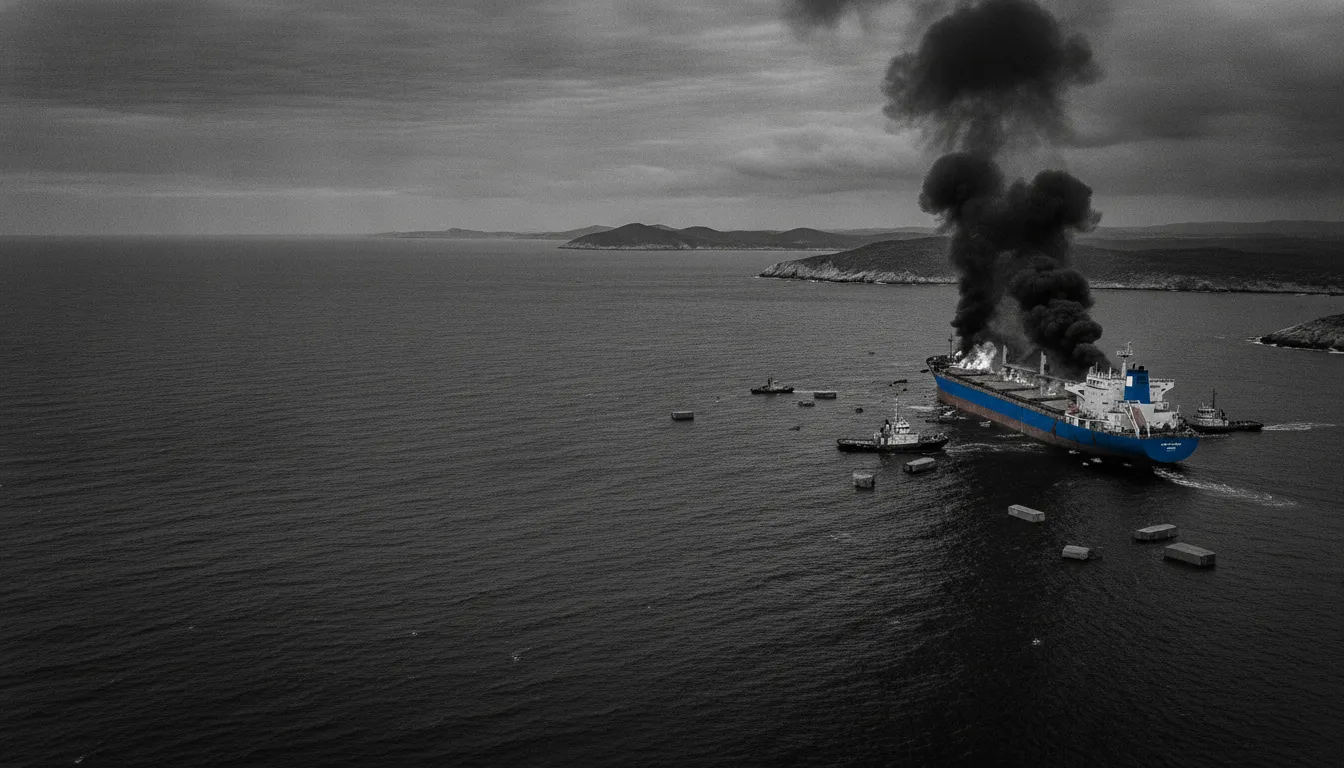
For decades, SOLAS II-2/4.2.1 mandated a minimum flashpoint of 60°C for marine fuels, yet the Convention contained no enforcement mechanism against bunker suppliers delivering non-compliant product. Recent incidents at major bunkering hubs—Singapore, Rotterdam, and Middle Eastern ports—exposed the gap: fuel samples tested as low as 39.5°C to 47°C, creating acute fire hazards aboard vessels. The IMO's MSC 106th session adopted Resolution MSC.520(106) to close this loophole, enforcing supplier accountability from 1 January 2026 onwards.
The amendments align SOLAS with MARPOL Annex VI requirements that took effect on 1 May 2024, requiring flashpoint details on Bunker Delivery Notes. Under the new SOLAS regime, suppliers must now issue a signed, certified declaration before bunkering commences, confirming fuel meets the 60°C minimum. Bunker Delivery Notes must explicitly state the flashpoint value or declaration of compliance, and authorities are mandated to report non-compliant suppliers to the IMO for formal action.
Supplier Declarations and Documentation: The New Compliance Chain
Bunker suppliers face immediate operational restructuring. Each fuel shipment now requires a preliminary declaration from the supplier's representative confirming the fuel meets SOLAS II-2/4.2.1 requirements, signed and certified before the ship receives bunkers. The test method must be documented—ISO 2719:2016 (Pensky-Martens closed cup method for distillates and residual fuels) or equivalent laboratory-accredited testing per ISO/IEC 17025:2017.
The Bunker Delivery Note must record either the actual measured flashpoint or a statement that flashpoint has been determined as 70°C or above (a 10-degree safety margin above the minimum). Port State Control inspectors now have explicit authority to verify these declarations. Where non-compliance is confirmed, flag administrations are obliged to notify the IMO and take enforcement action against the supplier. For yards and operators, this means auditing all existing supplier relationships and implementing verification processes before bunkering operations commence.
Pressure Relief and Venting Design: The IGF Code 2026 Upgrades
Concurrent with flashpoint controls, ships built on or after 1 January 2026 and using low-flashpoint fuels (LNG, methanol, ammonia) must comply with enhanced IGF Code amendments adopted via MSC.551(108). The critical change: pressure relief system design now requires that if any single pressure relief valve (PRV) fails, the remaining valves must maintain full combined relieving capacity with no more than a 20% rise in liquefied gas fuel tank pressure above the Maximum Allowable Working Pressure Setting (MAWP).
Historically, ships used two PRVs each rated at 50% combined capacity—acceptable under the old standard. The 2026 rule eliminates this. Newbuilds must redesign fuel tank systems with redundancy architecture ensuring no single component failure compromises pressure management. Additionally, amendments to SOLAS II-2/4.5 and 11.6 clarify secondary venting and inert gas barrier provisions for cargo and fuel tanks, mitigating over- and under-pressure risks during bunkering operations. Existing vessels do not face retroactive retrofit demands, but this creates a material competitive cost gap between pre-2026 and post-2026 tonnage.
Retrofit Timeline for Existing Fleets: A Staggered Compliance Path
The regulatory architecture distinguishes between newbuilds (construction contract on or after 1 January 2026) and existing tonnage. Newbuilds must comply with enhanced pressure relief, venting, and bunkering manifold design from day one; their fuel system architecture is locked during construction. For existing fleets, compliance obligations are asymmetric: flashpoint supplier declarations and BDN verification apply uniformly across all ships, but design retrofits (pressure relief redundancy, venting upgrades) are not mandated for vessels built before 2026.
However, many owners of older tonnage operating LNG (converted dual-fuel or newbuild LNG carriers) may face pressure from insurers or flag states to upgrade fuel systems proactively. Early engagement with classification societies—Lloyd's Register, DNV, ABS, Bureau Veritas—is critical. A survey bottleneck is already forming: shipyards and classification societies are experiencing peak demand for 2026 compliance documentation and IGF Code statement-of-compliance issuance. Operators should book surveys 18–24 months in advance to avoid delays.
Supply Chain Friction: Testing, Certification, and Bunker Port Readiness
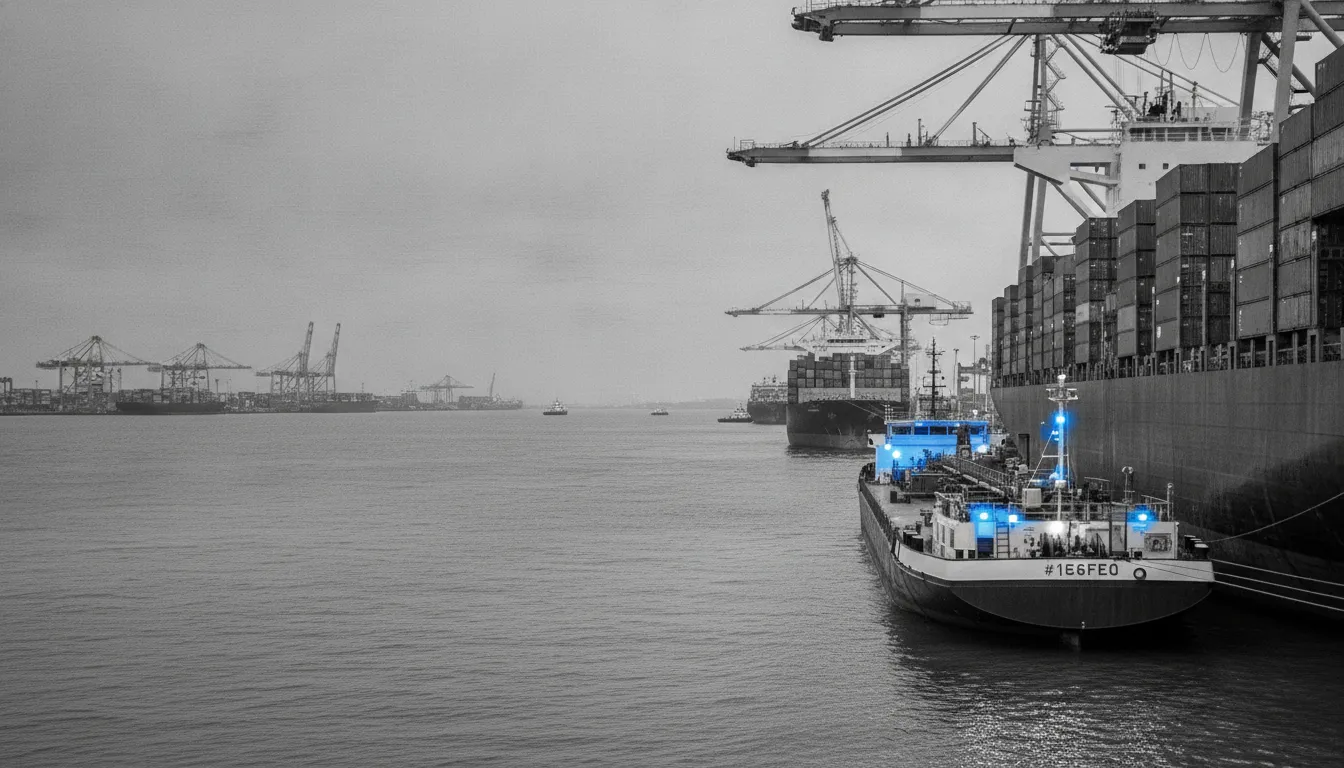
Bunker suppliers and marine fuel testing laboratories face immediate infrastructure strain. Certified flashpoint testing per ISO 2719:2016 requires accredited laboratories—a constraint in smaller regional ports. Global bunkering hubs (Singapore, Rotterdam, Fujairah, Jurong) possess established testing infrastructure, but secondary ports may lack ISO/IEC 17025 accreditation, slowing fuel procurement timelines. Suppliers must also establish chain-of-custody documentation proving fuel testing and certification at the point of loading.
Larger chandlers and fuel traders are already investing in certified in-house testing capability or partnering with third-party laboratories to reduce lead time. Smaller suppliers risk market exclusion if they cannot produce compliant documentation. For shipowners, this means widening approval supplier lists to hubs with reliable testing infrastructure and building flexibility into voyage fuel schedules. The cost of compliance testing will be absorbed by suppliers initially but may be passed to vessel operators through bunker price adjustments or surcharges in 2026–27.
Operational Impact: Voyage Planning and Bunker Procurement Protocol
Masters and fuel buyers must implement new procurement workflows. Bunker enquiries should now explicitly request: (i) certified flashpoint test results or declaration, (ii) test method and accreditation number of the testing laboratory, and (iii) confirmation of supplier SOLAS II-2/4.2.1 compliance prior to bunkering. Rejection procedures must be clarified: if a supplier's declaration is absent or flashpoint is out of specification, the vessel has contractual grounds to refuse fuel delivery. Letters of protest must be issued and documented for PSC inspection.
For ship managers, this introduces operational risk: unscheduled fuel-quality disputes may delay bunkering operations or force diversion to alternative supply ports. Contingency fuel planning and relationship management with compliant suppliers become strategic assets. Charterers should also contractualise fuel-quality responsibility, ensuring dispute clauses account for SOLAS compliance failures. Larger vessels and long-haul trades benefit from pre-negotiated supplier panels at major hubs where compliance verification is embedded in commercial practice.
What This Means for Your Operations: Early Action on Compliance Risk
The 2026 amendments are now in force. Vessel operators should immediately conduct an audit of current bunker suppliers, requesting evidence of SOLAS II-2 compliance declarations and ISO 2719 testing accreditation. Update bunker enquiry templates and crew instructions to capture flashpoint documentation. For owners with low-flashpoint fuel (LNG dual-fuel or methanol vessels), engage classification societies urgently to confirm fuel system design compliance and obtain statements of compliance; survey bottlenecks are real. Procurement teams should diversify supplier relationships toward ISO/IEC 17025 accredited testing jurisdictions. Non-compliance carries reputational and detention risk: Paris MoU PSC data show fuel safety as a top-five detention driver. Proactive documentation and supplier audit mitigate both regulatory exposure and operational delays.