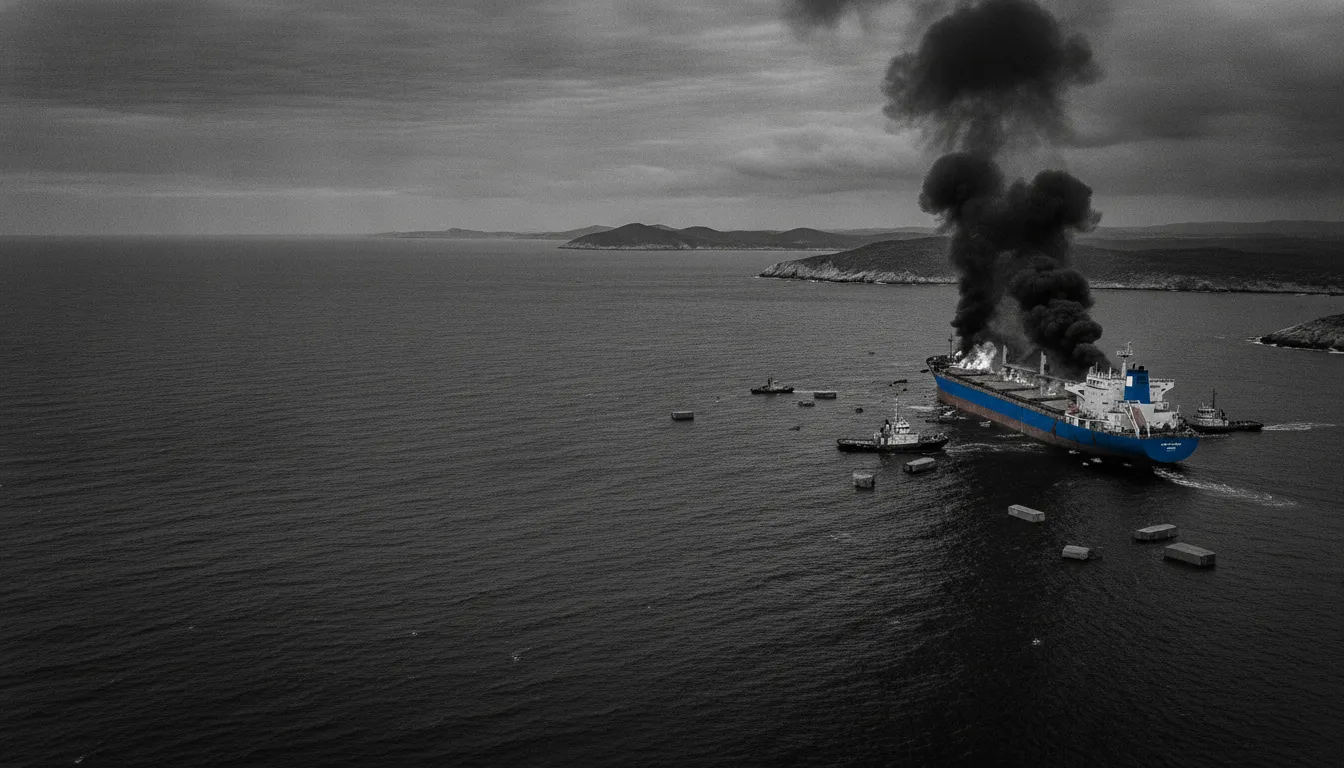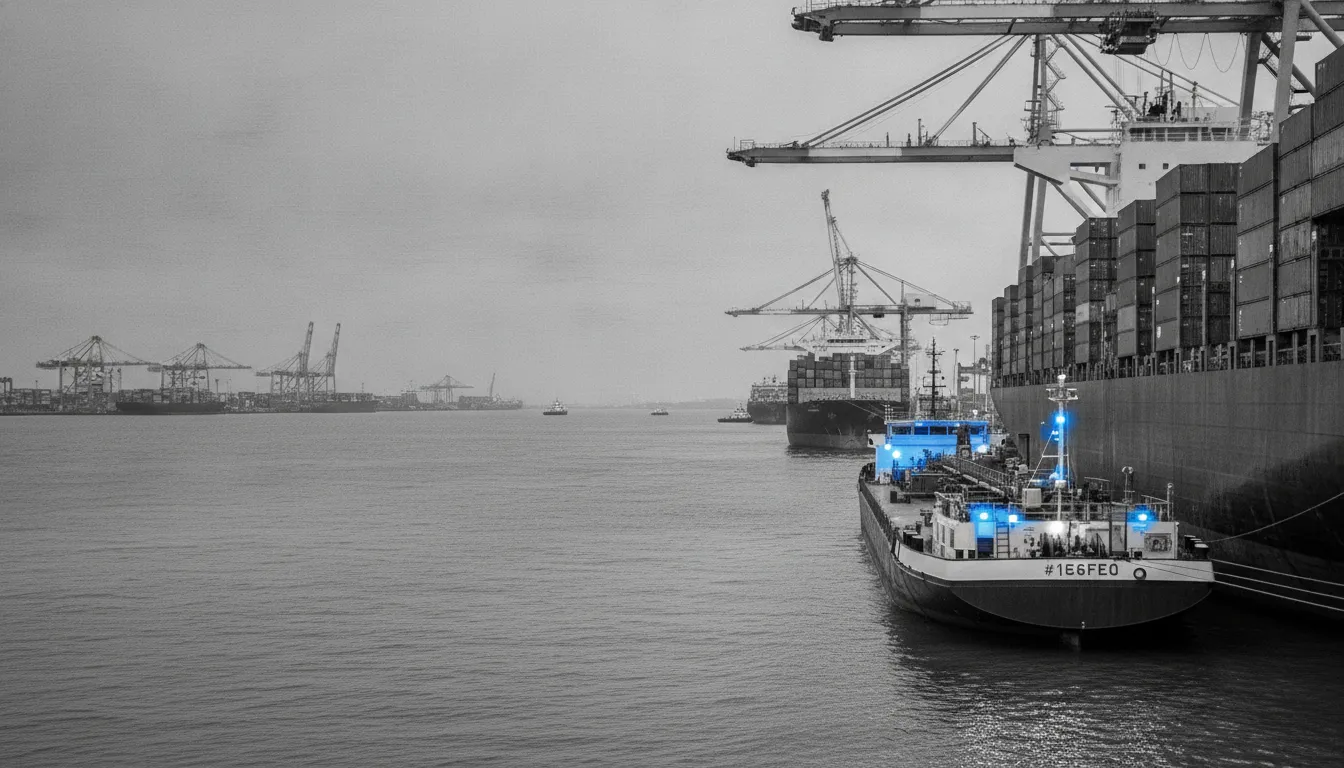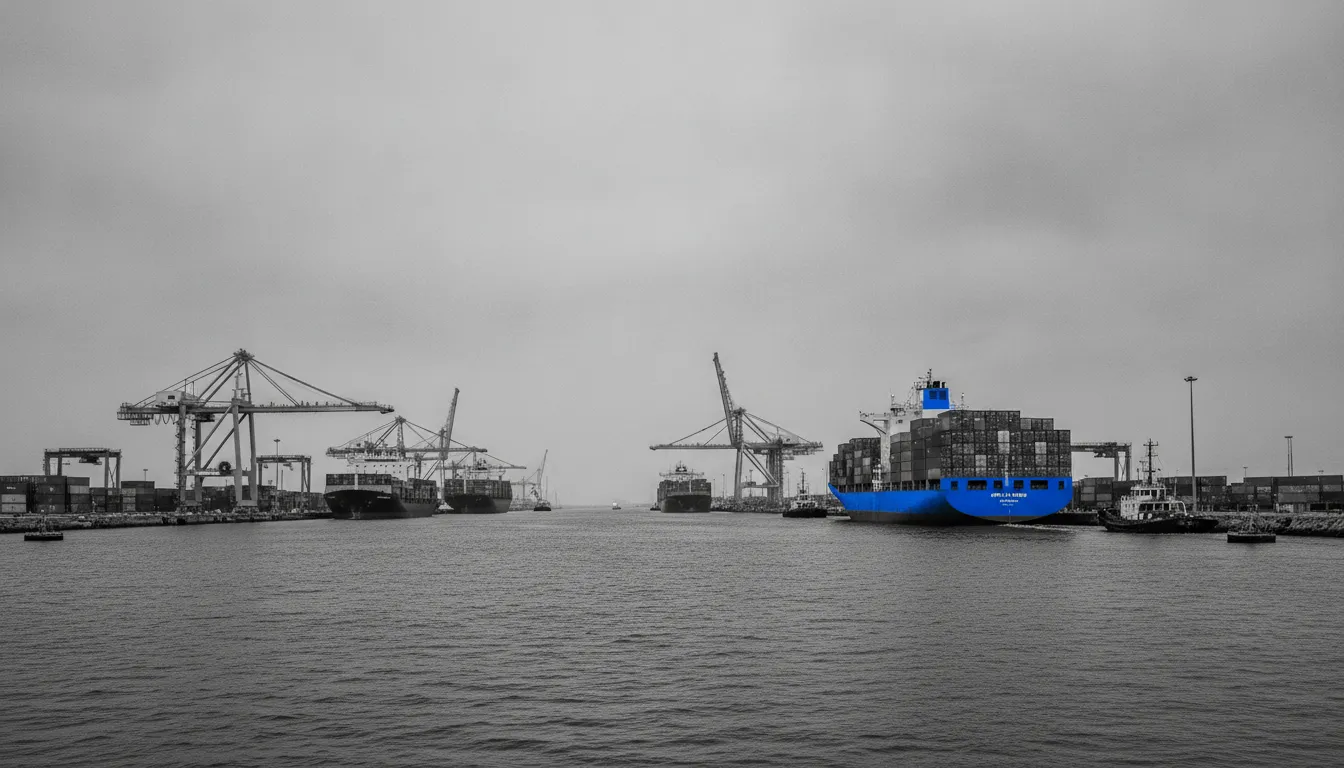
Bunkering demand in Namibia, Mozambique and Mauritius has increased as ships divert from the Red Sea around Africa, and as South Africa's bunkering hubs struggle with port congestion and supply constraints.
Port Congestion: The Catalyst for Supply Disruption
South African ports—particularly Cape Town and Durban—have become acute bottlenecks for the expanding Cape route traffic. As of May 2025, Durban reported median waiting times of 2 days and Cape Town 3 days, according to live port congestion data. However, peak conditions reveal far graver delays: vessel dwell times at Cape Town exceeded 10 days in March 2025, representing a 60% increase compared to the fourth quarter of 2024. In that single month, over 40% of shipments in major logistics networks faced critical delays. Cape Town has experienced a 112% surge in vessel traffic since the Red Sea crisis redirected global shipping around the Cape of Good Hope, yet the port's infrastructure and bunkering capacity remain severely constrained.
Reefer capacity is particularly strained during the Southern African citrus season (June–August). The Cape Town Container Terminal, which handles the bulk of the country's fruit exports, had stack occupancy levels reach 60% in January 2024, leaving limited space for perishable cargo and forcing vessels to anchor offshore. Transnet, South Africa's state ports operator, cites underinvestment in equipment and maintenance as root causes, while weather disruptions—strong winds especially during summer months—repeatedly interrupt terminal operations, further compounding vessel delays and forcing procurement teams to plan contingencies weeks in advance.
The Offshore Bunkering Advantage: Bypassing Berth Queues
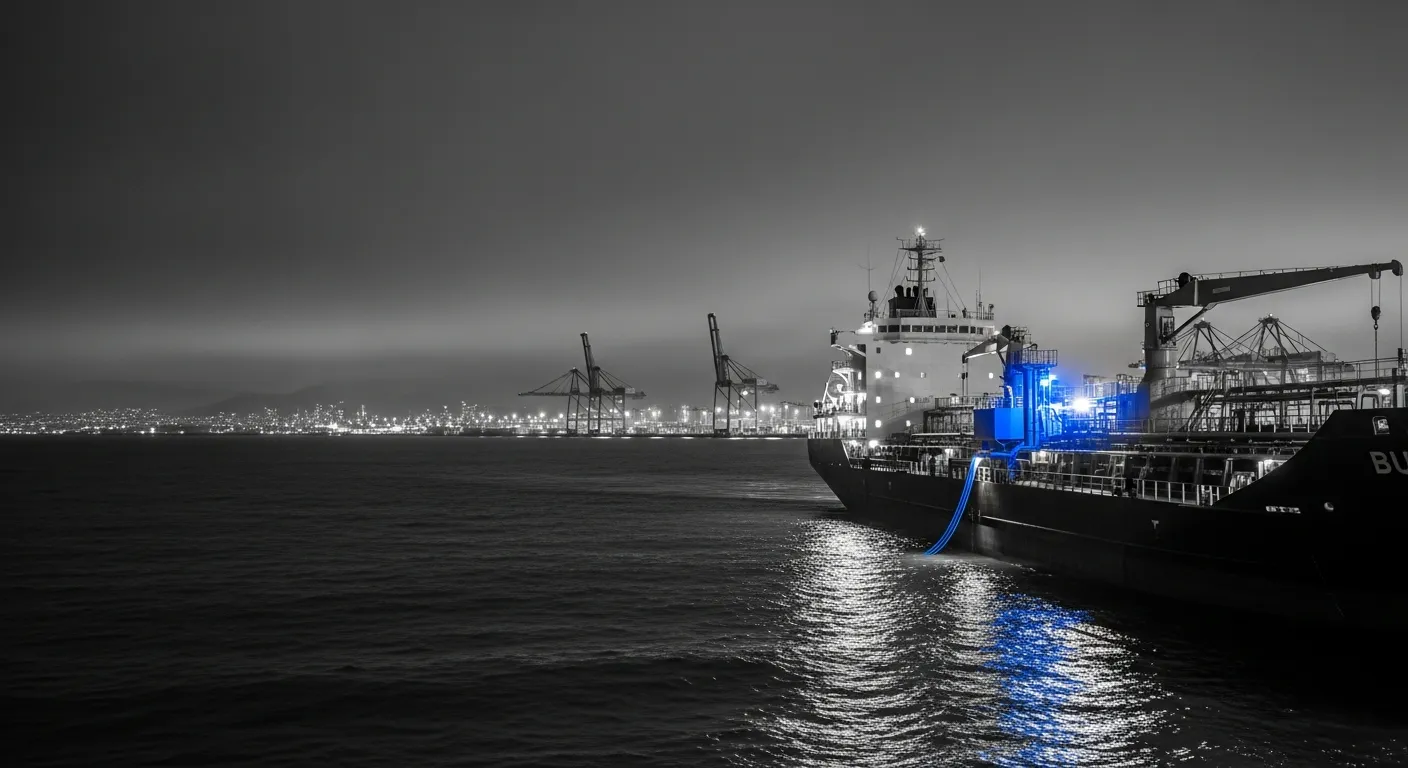
Offshore bunkering—the supply of fuel to vessels at anchorage via dedicated bunker barges using ship-to-ship (STS) transfer—offers a direct alternative to port-based refuelling. "Offshore bunkering is the process of supplying fuel to a vessel at sea rather than in a port, typically carried out using bunker barges or tankers that transfer fuel to the receiving vessel through a ship-to-ship operation." This method is commonly used to refuel large vessels without requiring them to dock, operating under strict IMO and MARPOL safety protocols and environmental regulations to ensure secure and efficient fuel transfer.
The strategic advantage is operational timing: vessels waiting for berth slots can simultaneously bunker at nearby anchorages, eliminating the need to queue twice—once for fuel, once for cargo operations. Monjasa, a major Danish bunker supplier, recently deployed three dedicated bunker delivery vessels to Namibia to meet surging demand. According to a Monjasa senior trader, "Demand across the west Africa region, and Namibia in particular, is still high. Offshore bunkering allows efficient completion without port queue delays." This approach reduces total port dwell time, minimises demurrage exposure, and allows carriers to maintain voyage schedules during peak seasons when berth availability is scarce and unpredictable.
Walvis Bay and Regional Alternatives: Emerging Supply Hubs
Walvis Bay, Namibia's largest commercial port, has emerged as a preferred alternative to South African ports. The port is strategically located halfway down Namibia's coast with direct access to principal shipping routes and benefits from a sheltered deepwater harbour with a temperate climate and few weather-related delays. Bunkering fuel is provided via pipeline at Berths 1–5 and by road transport for other berths, with bunker fuel transfers in the inner anchorage subject to prior approval and monitoring by the port authority. Ships can anchor within port limits and are protected by the bay, with tug assistance normally required.
South Africa's bunker volumes tell the story of this shift starkly. According to a PwC report cited in March 2026 industry coverage, bunker volumes fell to approximately 80,000 tonnes per month in 2024 from roughly 130,000 tonnes per month in 2023—a 38% decline in a single year. Maersk, the world's largest container carrier, confirmed that Walvis Bay and Port Louis (Mauritius) are "top spots" for bunkering on east-west sailings, citing red tape, congestion, and lack of facilities in traditional South African ports as deciding factors. New entrants such as Dubai-based Flex Commodities launched physical bunkering operations at Walvis Bay and Luderitz in November 2025, explicitly "targeting the growing volume of traffic moving around the Cape and the offshore market around the region."
Lead Times and Fuel Availability: Planning for Peak Seasons
Procurement teams must plan bunker purchases with realistic lead-time windows, which vary significantly by location. As of April 2026, Durban reported HSFO and VLSFO deliveries possible with a lead time of 5–7 days, while Port Louis required a minimum of 10 days for all fuel grades due to tight availability. These extended lead times create planning friction during the citrus peak season (May–September), when multiple carriers compete for limited fuel supplies simultaneously and reefer vessel availability is already at capacity.
Hapag-Lloyd's Citrus Connect service, which runs from end-May through September with weekly departures during the peak citrus season, provides an estimated 700 reefer plugs per sailing. However, procurement teams must lock in bunker allocations weeks before vessel departure to guarantee fuel availability at the nominated refuelling port. Delaying bunker purchases by even a few days can push lead times beyond voyage windows, forcing last-minute price negotiations or diversion to secondary ports—both costly outcomes. Regional suppliers such as Misa Energy (Ghana) are scaling up volumes to meet rising offshore demand, with expectations that bunkering volumes in West Africa will triple over the next decade, signalling growing competition for fuel supplies across the Cape route network.
Cost-Benefit Analysis: Offshore versus Port-Based Refuelling
The economic case for offshore bunkering depends on three variables: berth delay costs (demurrage), fuel price spreads between ports, and weather risk. Vessels waiting 2–3 days at Durban or Cape Town incur substantial daily operating expenses—crew costs, maintenance, and lost voyage time. At current charter rates, a single extra day of delay can cost $20,000–$50,000 depending on vessel size and type. Anchoring offshore and bunkering simultaneously reduces this exposure.
However, fuel prices vary by location and availability. In January 2024, very-low sulphur fuel oil prices in Cape Town reached $787.50 per tonne, up $80 from late December, reflecting both supply tightness and increased demand. Walvis Bay and Port Louis typically offer competitive pricing during peak seasons, but tight lead times (10+ days) mean price volatility during the ordering window. Procurement teams should model three scenarios: (1) bunker at origin (higher known cost, no delay risk); (2) bunker at Cape Town or Durban (lower typical cost, but 2–3 day delay and reefer shortage risk); (3) bunker offshore at anchorage or Walvis Bay (moderate cost, minimal delay, but requires advance coordination with approved bunker suppliers). The best choice depends on voyage length, fuel consumption rate, and whether perishable cargo (citrus, fish) is aboard—a single additional day of reefer operation can negate fuel savings.
Negotiating SLAs and Spot Availability During Peak Season
Service-level agreements (SLAs) for bunker delivery are now critical negotiating tools. Procurement teams should require: (1) confirmed fuel type and grade (HSFO, VLSFO, MGO); (2) minimum lead-time guarantee (typically 5–7 days in African hubs); (3) maximum price collar (prevents fuel escalation during shortage); (4) alternative anchorage or port option if primary location becomes congested; and (5) weather-waiver clauses allowing 48–72-hour delays for safety reasons without penalty.
Spot bunker availability is extremely tight during May–September. Many major suppliers—including Monjasa, TFG Marine, and emerging operators such as Vitol and Global Fuel Supply—are expanding regional capacity, but availability windows remain narrow. Procurement teams managing citrus or other seasonal exports should lock in bunker allocations by March at the latest, well before the season begins. Building relationships with multiple approved bunker suppliers (both port-based and offshore operators) reduces single-supplier risk and creates competitive pressure on pricing. Bunker surveys and fuel quality testing are non-negotiable: a single contaminated fuel delivery can result in engine damage, off-hire time, and insurance disputes costing hundreds of thousands of dollars.