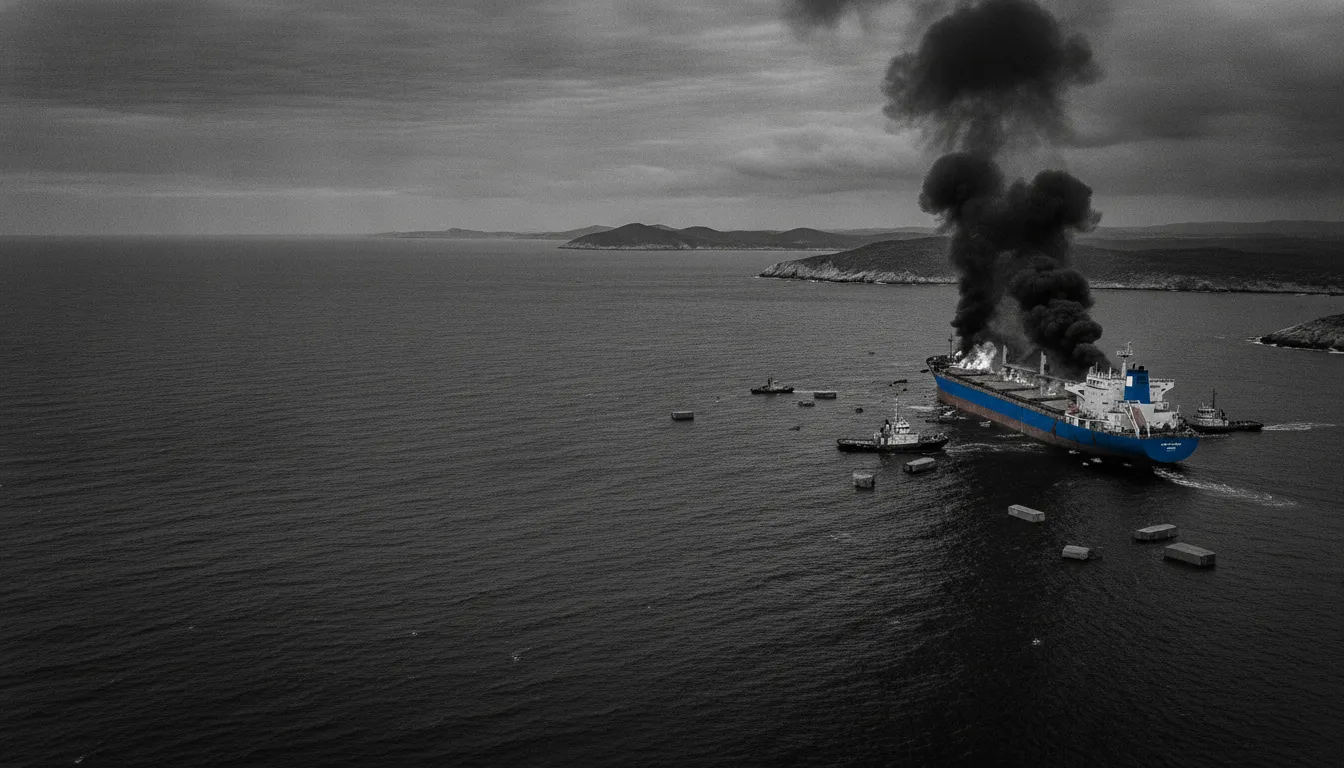
"Elevated Acid Numbers may stem from contamination with acidic compounds such as Phenolic compounds and Alkyl Resorcinols, often associated with Estonian Shale Oil. Such contaminants can lead to operational complications including sludge formation, fuel pump seizures, and compromised injection equipment cleanliness."
The Contamination Events: Scale and Chemistry
Since February 2026, bunker testing firms Maritec-Naias and VPS have documented multiple VLSFO deliveries in Singapore contaminated with off-specification chemical compounds. Between 20 May and 2 June 2026, Maritec-Naias tested five VLSFO samples from two suppliers, revealing Aluminium and Silicon (Al+Si) concentrations ranging from 61–68 mg/kg—exceeding ISO 8217:2010/2017 specification limits of 60 ppm. These catalytic fines remain within the permissible tolerance of the standard but signal contamination risk. Over the same period, fifteen additional VLSFO samples exhibited elevated Acid Numbers of 2.0–2.5 mg KOH/g, at the upper boundary of acceptable limits, indicating potential fuel instability and equipment degradation.
More critically, seven cases identified Alkylresorcinols in the range of 3,000–17,000 ppm, while six cases detected various Phenolic compounds between 2,000–3,000 ppm. These chemical contaminants—consistent with non-petroleum cutter stock such as Estonian shale oil—render the fuel off-specification under ISO 8217 Clause 5 (fitness for purpose) and MARPOL Annex VI. Vessels using such fuel reported piston ring breakage, excessive sludge formation in purifiers, and accelerated wear on fuel pumps. VPS also identified VLSFO blends containing shale oil–derived components during testing in February and March 2026, with these compounds destabilising fuel over time and potentially causing filter blockage and purifier fouling. The contamination spans at least two suppliers in the world's largest bunkering port, raising systemic questions about supply chain controls.
How Standard Testing Misses the Problem
ISO 8217 Table 2 test requirements cover density, viscosity, sulphur content, catalytic fines (Al+Si), water, lubricating oil, Total Acid Number, ash, Total Sediment Age, and flash point. On paper, many contaminated VLSFO samples passed these standard tests. However, standard testing does not detect phenolic compounds, alkylresorcinols, or other oxygen-containing chemicals that cause engine corrosion, fuel instability, and sludge precipitation. Brendan Cuffe, Director at Brookes Bell, notes: "You can meet specification for the standard Table 2 characteristics in ISO 8217, but it doesn't tell you anything about the chemical composition of the fuel."
In one documented case, a shipowner's vessel received over 400 metric tonnes of contaminated VLSFO at New York in February 2025. Despite passing ISO 8217 checks, the fuel failed Gas Chromatography–Mass Spectrometry (GC-MS) headspace screening, revealing high levels of phenolic contaminants. The vessel experienced excessive sludge formation and purifier fouling, eventually forcing an engine shutdown and three days adrift in the US Gulf. Similarly, Gard's loss prevention team confirmed that a significant proportion of bunker claims involve fuels meeting ISO 8217 Table 2 parameters but still causing operational issues and machinery damage. This gap underscores the growing importance of ISO 8217 Clause 5, which focuses on fitness for use and freedom from harmful substances—a standard that advanced chemical screening is needed to satisfy.
Hormuz Disruption Amplifies Fraud Risk
Singapore's bunker market is under acute pressure from the Strait of Hormuz closure in late February 2026. Since then, approximately 1,550 vessels have been unable to transit or have chosen to remain at anchor in the Arabian Gulf and its approaches. VLSFO prices in Singapore surged to $988.5 per metric tonne in mid-March—up 76 percent from the start of the month—before easing to $842.75 by 31 March, still 50 percent higher than early March levels. This volatility has created a fragile supply environment: while Singapore's fuel oil inventories sit at seasonal highs thanks to arrivals from Brazil and Russia offsetting the Hormuz supply loss, replenishment capacity remains limited.
Industry observers warn that sharply rising bunker prices amid supply tightness create powerful economic incentive for intentional fuel blending and fraud. Skuld maritime loss prevention reported that bunker suppliers may be intentionally supplying blended, low-quality marine fuels amid rising bunker prices linked to Middle East conflict, with some VLSFO samples containing alkylresorcinol concentrations between 4,700–6,000 ppm and hydrocarbon compounds like dihydro-dicyclopentadiene and indene at levels of 5,000–14,000 ppm. Multiple P&I and loss prevention bodies report that contaminated fuel from Southeast Asia—particularly Singapore, Hong Kong, and Malaysia—has become systemic. Gard's loss prevention unit recorded over 70 bunker-related claims between January and May 2026, a 50 percent increase on the same period in 2025, with almost all involving fuel quality issues that intensified following the Middle East escalation in late February.
Catalytic Fines and Purifier Strain
High concentrations of catalytic fines (Aluminium and Silicon) damage fuel injection systems and piston rings through abrasive wear. In June 2026, Maritec-Naias documented Al+Si levels of 61–68 ppm in Singapore samples, exceeding the 60 ppm ISO limit. VPS witnessed a pandemic of high cat-fine levels in VLSFOs across East Coast USA, Singapore, and Algeciras in August 2025, with concentrations ranging from 62–176 ppm—creating high risk of wear to piston rings, cylinder liners, and fuel pumps. Captain Rahul Choudhuri, President of Strategic Partnerships at VPS, noted that such high levels of aluminium and silicon cause a really high risk of wear-down of piston rings, cylinder liners, and fuel pumps, making careful assessment of fuel treatment efficiency essential for every vessel.
Mitigation depends on efficiently operating fuel purification systems onboard. Maritec-Naias advises collecting samples at critical points—fuel oil tank transfer pump, before and after centrifuge, service tank, and after fine-filter—to evaluate purifier effectiveness in removing contaminants. Monitoring Aluminium and Silicon levels both before and after centrifugation provides a reliable measure of the system's effectiveness. Vessels with elevated acid numbers should conduct Gas Chromatography-Mass Spectrometry (GC-MS) testing using the Solid Phase Extraction (SPE) method to identify the specific acidic compounds present, or upgrade their marine fuel testing package to advanced protocols like MFTP Plus, which enables pre-emptive monitoring to detect major harmful substances such as Cashew Nut Shell Liquid (CNSL), Phenolic compounds, and Alkyl Resorcinols. Enhanced fuel treatment monitoring, combined with pre-bunkering quality verification, is now standard industry practice.
Real-Time Documentation and Blockchain Integration
Industry leaders are pushing for immutable record-keeping and supply chain traceability to combat fraud and ensure rapid problem detection. Blockchain-enabled systems create tamper-proof logs of fuel sampling, testing, and analysis results, reducing disputes and accelerating fraud identification. FuelTrust's AI-driven analytics platform monitors fuel composition changes at each supply-chain handoff, comparing chemical data against baseline parameters to identify discrepancies. When contaminated fuel enters the market, the system alerts operators immediately if AI detects a disparity in lab results, enabling early intervention before fuel reaches vessels.
The Shipowners' Club emphasises that evidence preservation—consumption documentation, logbooks, fuel samples, and damaged components—is essential for claims resolution. Bunker Delivery Notes (BDN) must be retained for at least three years per MARPOL Annexe VI. Advanced testing beyond ISO 8217 Table 2, combined with digital documentation workflows, enables rapid escalation and supplier accountability. Intertek-Lintec and other globally positioned bunker analysis labs now offer ISO 8217, MARPOL Annex VI, and advanced chemical screening across major shipping centres including Singapore, Rotterdam, Shanghai, and Panama. Singapore's Maritime and Port Authority (MPA) now recommends that all vessels request a Certificate of Quality (CoQ) prior to loading, enforcing supplier transparency and establishing a documentary audit trail that protects both shipowners and compliant suppliers.
What This Means for Buyers, Shipowners, and Suppliers
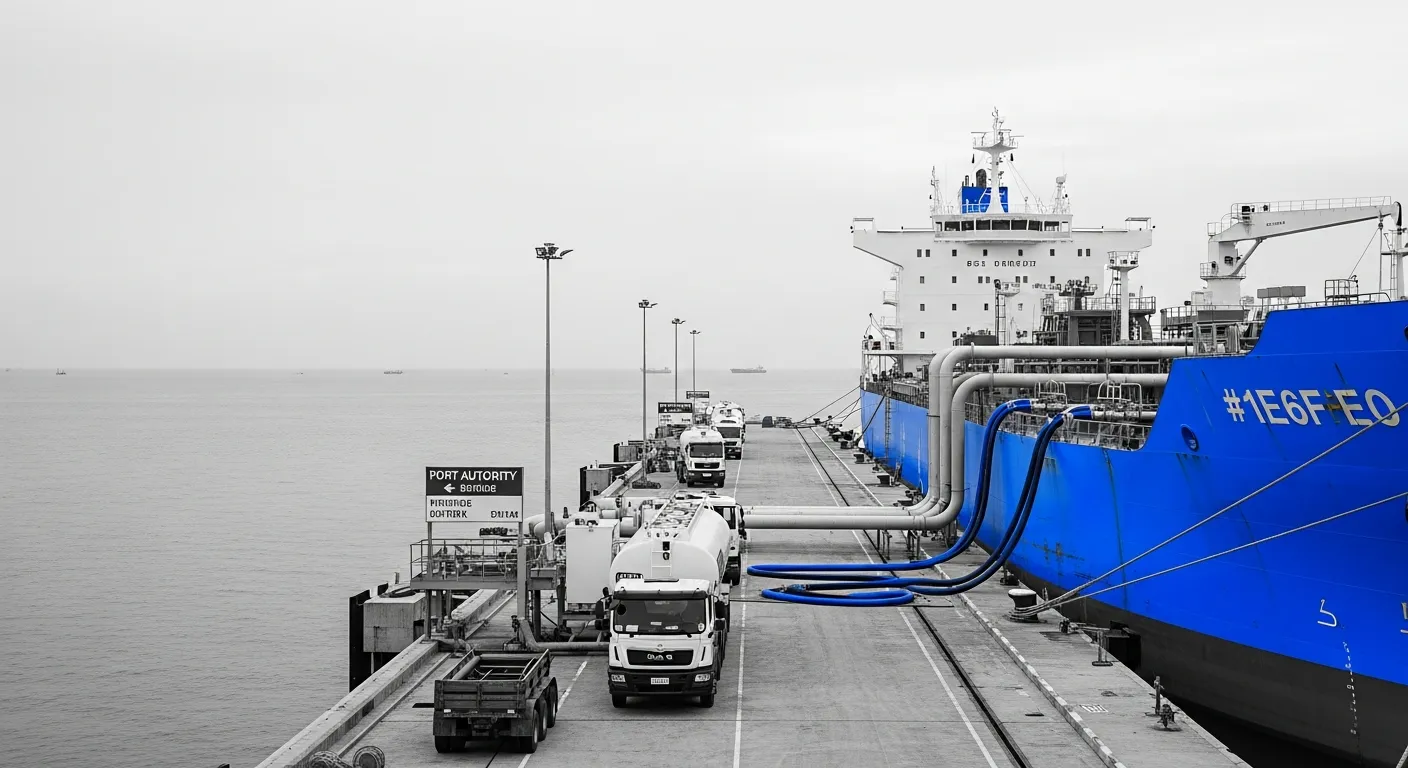
For buyers and shipowners: demand independent pre-bunkering fuel analysis from accredited laboratories (VPS, Intertek-Lintec, FOBAS, Brookes Bell) before taking on fuel in Singapore. Standard ISO 8217 testing is necessary but insufficient; specify Gas Chromatography–Mass Spectrometry (GC-MS) screening for phenolic and alkylresorcinol contamination, particularly for VLSFO sourced from Southeast Asia. Maintain robust fuel treatment onboard, monitor purifier and filter parameters closely at critical sample points, and preserve all consumption documentation, logbooks, checklists, and fuel samples for claims. Consider suppliers with verifiable blockchain-tracked fuel lineage to reduce fraud exposure and differentiate quality tiers. Singapore VLSFO carries elevated risk in 2026 due to blending and fraud incentives created by Hormuz volatility—alternative bunkering points or premium suppliers with documented supply-chain controls are prudent risk hedges.
For suppliers and traders: implement real-time quality assurance protocols and third-party lab certification at every blending or transfer point to prove fuel integrity and comply with MPA expectations. Engage with AI-powered documentation platforms to generate immutable fuel-quality records and differentiate from commoditised, off-spec competitors. Market transparency, supported by blockchain and third-party testing, builds long-term customer trust and shields suppliers from regulatory enforcement. The 2024 Glencore incident, in which chlorinated organic compound contamination triggered a two-month supply licence suspension in Singapore affecting over 200 ships, demonstrates the reputational and operational cost of quality failures. Proactive supply-chain documentation and real-time contamination detection now serve as competitive advantages and regulatory risk mitigation.