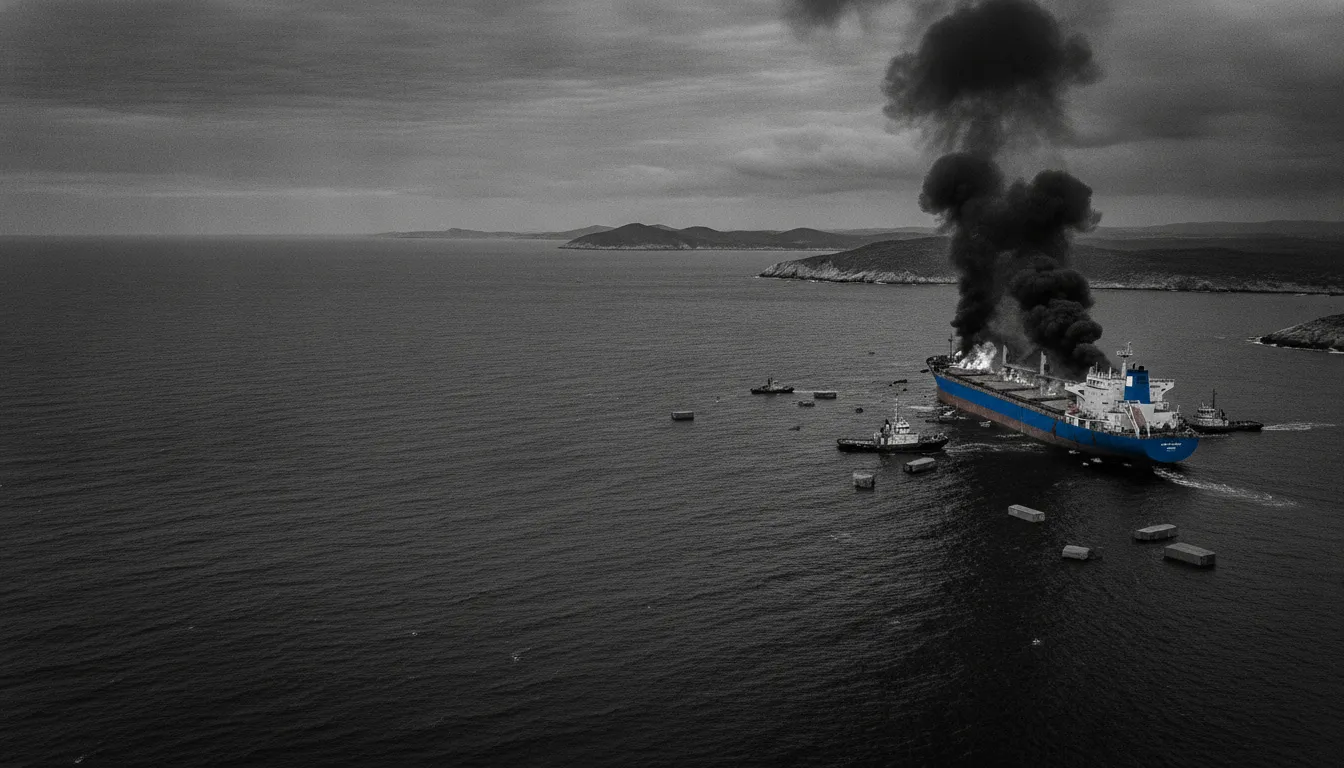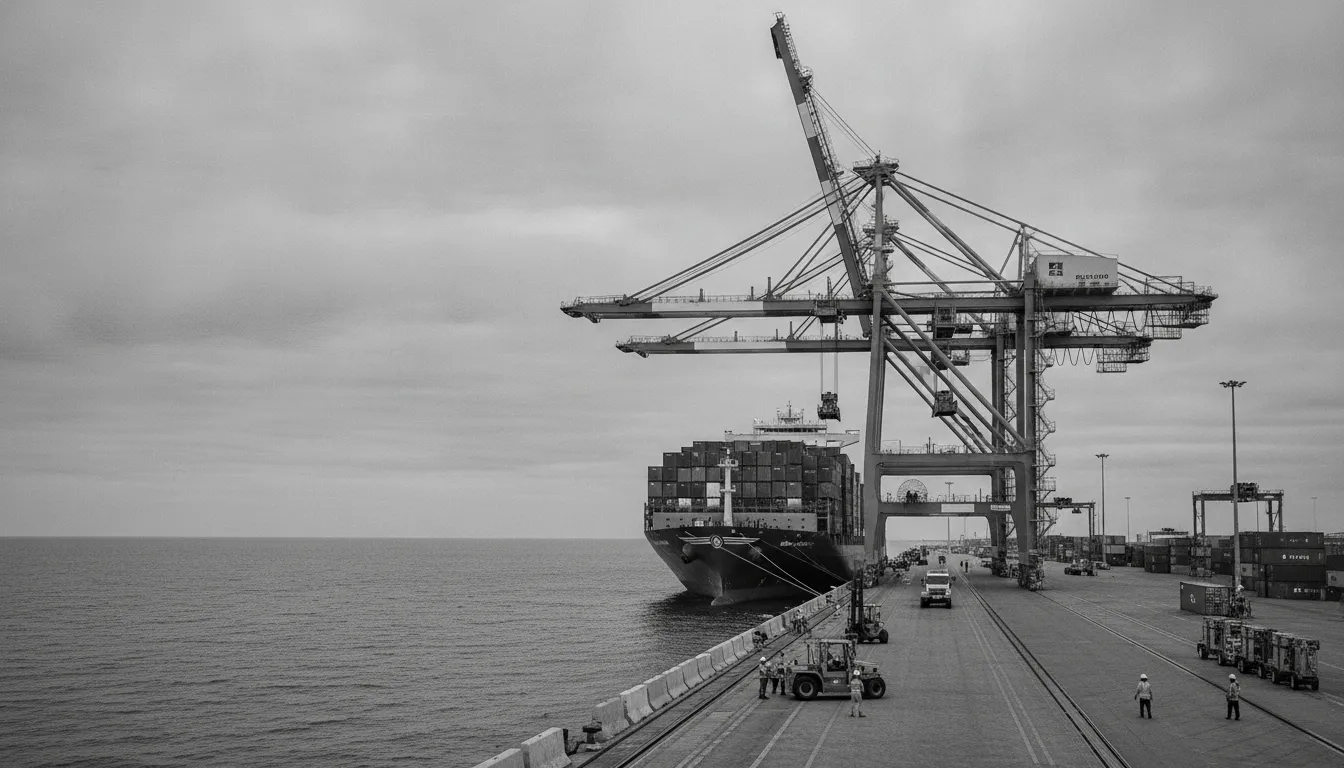
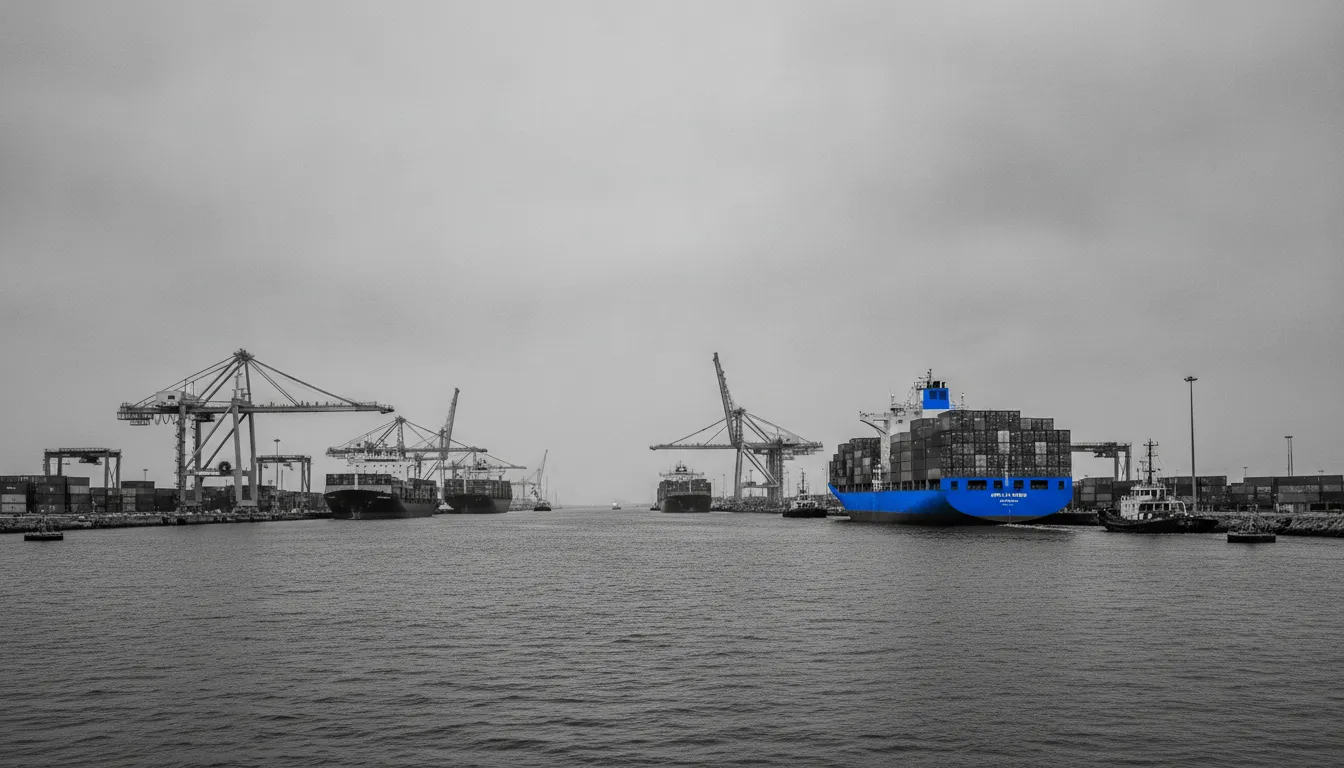
"The new regulations, already effective, require vessels to undergo a comprehensive inspection and trials before securing permission to transit the canal, with all applicable fees payable in advance."
Immediate Mandate on All Ageing Tonnage
The Suez Canal Authority's Movement Department circulated formal instructions to shipping agents in October 2026 mandating comprehensive inspections and operational trials for every vessel aged 25 years and older before transit permission is granted. The regulation applies uniformly across all vessel types—bulk carriers, tankers, container ships, and general cargo vessels—with no vessel class exemption. All inspection fees must be paid in advance; the Authority has not yet disclosed the quantum of these charges or the standard processing timeline, leaving operators facing uncertainty in both cost and schedule planning.
The requirement becomes binding on first transit or re-transit after a six-month interval, creating a rolling compliance cycle. Vessels returning to the Suez within six months of a previous inspection will be exempt from repeat procedures, provided their earlier assessment recorded no defects, breakdowns, or adverse technical observations. This exemption structure incentivises regular transits and transparent inspection documentation, but places operators of irregular-schedule vessels at material disadvantage, as unplanned route changes or seasonal deployment shifts may trigger fresh compliance cycles.
Fleet Scale: 150m+ Gross Tons Now Subject
Clarksons Research reported at the time of the Authority's announcement that more than 150 million gross tons of merchant shipping is now aged 25 years or older—a 75 per cent increase in five years. A record 68 million gross tons has exceeded 30 years of age, underscoring the structural ageing of the global fleet. This tonnage concentration reflects decades of extended depreciation cycles, reduced newbuild orders after 2008, and the economic viability of operating older vessels on secondary and regional trades where capital constraints limit replacement investment.
Tanker segments bear particular ageing pressure. Suezmax tankers, the largest conventional vessels able to transit the canal, include a significant cohort of vessels built in the 1990s and early 2000s, now approaching or exceeding the 25-year threshold. These vessels remain operationally critical for crude-oil transport on East–West routes, but their technical condition and regulatory compliance status now face formal SCA scrutiny. The SCA's move implicitly acknowledges that traditional port-state control and classification-society oversight, whilst mandatory under SOLAS and IMO frameworks, may not provide the Authority with sufficient confidence in the seaworthiness or manoeuvrability of older tonnage operating through one of the world's most congested and operationally demanding waterways.
Compliance Costs and Voyage Planning Impact
The absence of published fee schedules and processing timelines introduces direct cost and schedule uncertainty for operators managing ageing Post-Panamax or Suezmax container and bulk fleets. Inspection scope is undefined—whether the Authority requires physical dry-dock or in-water surveys, engine trials, steering gear certification, or solely documentary review remains unstated. Port agents and ship managers must now nominate vessels 30–90 days in advance specifically to confirm SCA inspection availability and slot scheduling, compressing the traditional seven-to-ten-day pre-transit booking window.
Operators of irregular-schedule vessels on East–West trades face the sharpest impact. Tramp and spot-traded bulkers, for example, may encounter unplanned route changes due to cargo or charterer logistics, invalidating earlier inspection appointments. A vessel returning to Port Said after a nine-month Indian Ocean deployment would trigger a fresh full inspection cycle, adding days to transit. For scheduled container or multi-purpose services on fixed Asia–Europe corridors, the impact is more predictable but still material: monthly transit windows may shrink, buffering requirements increase, and insurance and port berth reservation strategies must accommodate SCA inspection contingencies.
Post-Panamax and Suezmax Fleet Exposure
Post-Panamax tonnage encompasses two critical segments under this regulation. Traditional Panamax container ships (259–295 metres, 10–14,000 TEU capacity) average approximately 19 years of age globally, but a significant fraction of the ~500-vessel fleet has now crossed into the 25-year cohort. These vessels, many built 2000–2002, remain profitable on secondary Asia–Europe and intra-Asia container services but rely on extended service lives to amortise capital. The SCA inspections impose additional lifecycle costs and delay risk, favouring newer tonnage and accelerating scrappage decisions on borderline-economic vessels.
Suezmax tankers and bulk carriers, which form the backbone of direct East–West oil, LNG-ready, and major bulk commodity flows, face comparable exposure. Many Suezmax tankers built in 1998–2005 are now entering the 21–28-year band, approaching or exceeding SCA inspection thresholds. These vessels carry premium cargoes and operate on time-sensitive routes; an unexpected inspection hold or re-survey requirement directly impacts charter hire economics, berth-to-berth schedules, and cargo claim liability. Shipowners face margin compression on older assets unless inspection costs can be contractually recovered from charterers or cargo shippers—an increasingly difficult negotiation in competitive deep-sea markets.
Strategic Implications for Operators and Agents
Port agents and ship managers must revise Suez transit procedures and voyage planning protocols. Pre-arrival documentation packages now require explicit SCA inspection-readiness certification, likely issued by the vessel's classification society or a SCA-designated surveyor. Agents will need to correlate six-month inspection-exemption windows with scheduled transit calendars, flagging vessels due for re-inspection and building compliance holds into ETA schedules. Charter parties and bills of lading for ageing tonnage will increasingly carry Suez-compliance clauses, allocating inspection delay costs and liability between shipowner and charterer.
The measure also incentivises fleet modernisation investment and scrapping acceleration in older segments. Owners of 25+ year-old tonnage must now weigh extended depreciation against compounding inspection costs, revised insurance premiums reflecting SCA scrutiny, and heightened reputational risk if inspections reveal deficiencies. Port terminals and logistics networks dependent on older-ship capacity on East–West routes may experience reduced frequency or availability, pushing higher-margin shippers toward newer tonnage and well-maintained secondary fleets. Procurement and routing optimisation algorithms will increasingly factor SCA inspection risk as a voyage-cost variable, reshaping competitiveness between older and modernised container and bulk shipping operators.
What This Means for You
If you operate, charter, or procure transportation on ageing tonnage aged 25+, budget immediately for SCA inspection costs and schedule 30–90 days advance Suez-transit nominations. Confirm with your port agent whether inspections trigger dry-dock or in-water attendance; ensure your vessel's classification certificates and technical files are audit-ready before Port Said approach. For irregular-route or tramp-schedule operations, model Suez-compliance contingencies into cargo contracts and charterparty terms, allocating delay risk explicitly. Shipowners should accelerate fleet technical condition audits and consider targeted scrapping or refinancing of marginal-return vessels to reduce exposure to compounding regulatory costs. Procurement teams must verify vessel age and inspection compliance status in pre-fixture technical due diligence; older tonnage previously viable on thin margins now carries material schedule and cost risk on critical East–West corridors.