"The key difference between Mauritius and most African ports is that they treat bunkering as a competitive international business rather than simply a port support service," said Wilhelm Wasserman, Business Divisional Manager: Marine at FFS Refiners.
The Collapse: From Regional Powerhouse to Marginalized Player
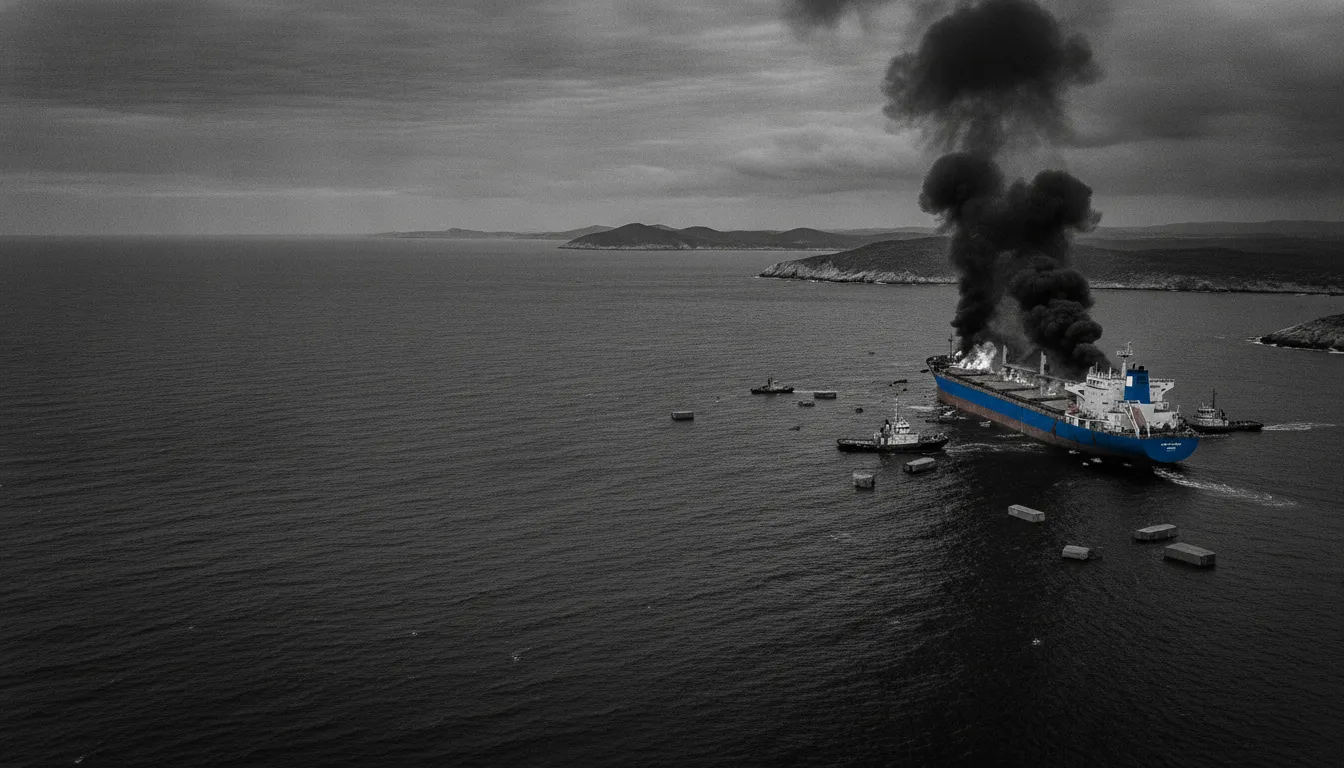
South Africa's bunker market has undergone a dramatic reversal. Peak annual volumes exceeded 3.5 million tonnes across Cape Town, Durban, and Richards Bay; by 2024, total annual sales fell to roughly 840,000 tonnes—a long-term erosion accelerated by recent regulatory and operational crises. Yet this decline occurred precisely when the Red Sea became too dangerous to traverse, forcing the world's largest shipping lines to divert around the Cape of Good Hope. Carriers have been avoiding the Suez Canal and the Bab el-Mandeb Strait since late 2023, when Houthi attacks on Red Sea shipping began, with U.S. and Israeli strikes on Iran and the closure of the Strait of Hormuz reinforcing the shift. In March 2026, vessel diversions rose 112% as of early March, signalling what carriers now see as a lasting change in operations. South Africa should have been the prime beneficiary. Instead, Mauritius and Namibia captured the prize.
The catalyst was operational and political, not geographic. In late 2023, the South African Revenue Service detained five bunker tankers in Algoa Bay on suspicion of customs violations, halting all offshore bunkering for over a year until February 2025. The timing proved catastrophic: vessels seeking alternative refuelling points during peak Red Sea disruption found Algoa Bay closed and South Africa's onshore ports (Cape Town, Durban, Richards Bay) congested and costly. The disruption coincided with increased demand as vessels rerouted around the Cape of Good Hope, yet South Africa lacked both the infrastructure and political agility to mobilize private-sector responses swiftly. Demand in 2024 for bunkers supply in Cape Town increased to approximately 40,000 tonnes, but structural constraints prevented market capture. Port authorities were caught flat-footed, and the window of opportunity—when global fuel demand was at its most urgent—closed irrevocably.
Mauritius Strikes: A Decade-Long Strategy Pays Off
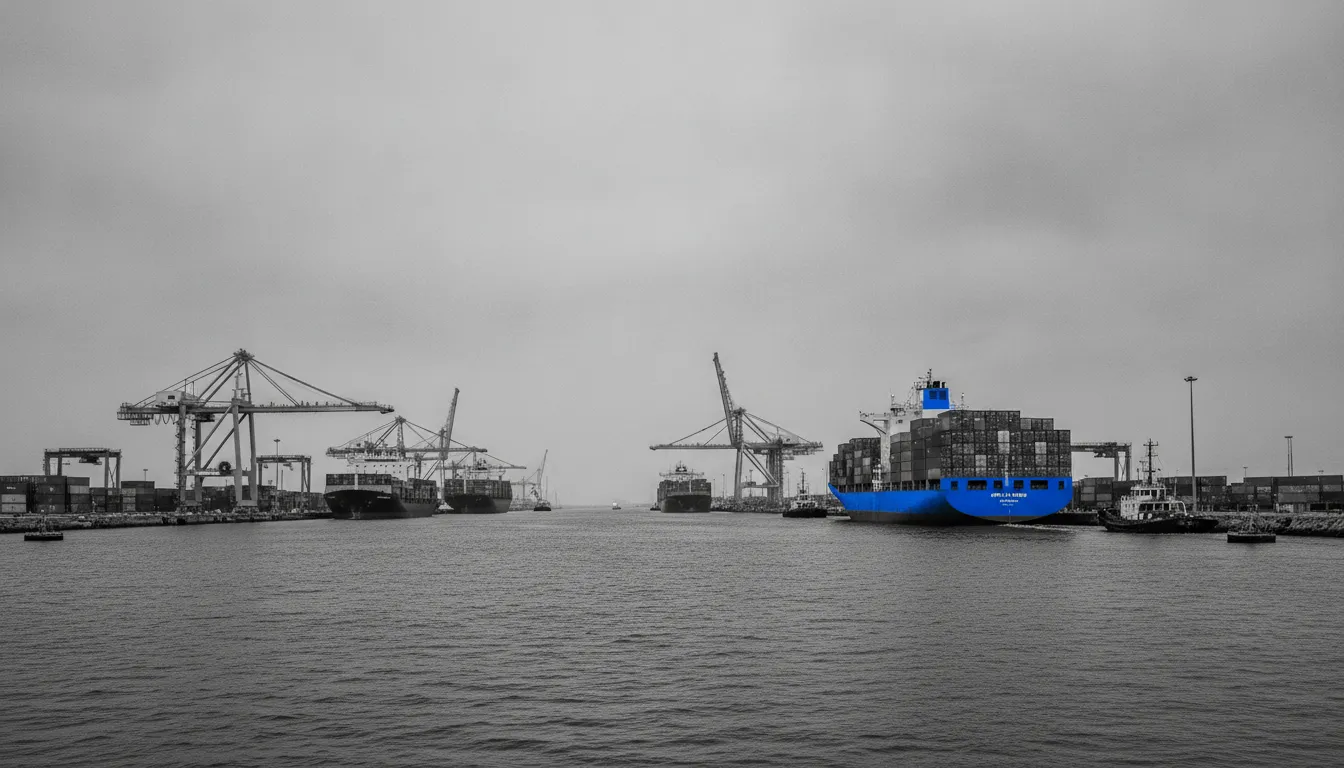
Mauritius's ascent was neither accidental nor sudden. Beginning in 2014, the Mauritius Ports Authority implemented a deliberate market-liberalisation strategy: removal of excise duties, value-added tax exemptions, reduced port charges, and streamlined licensing. The 2014 strategy specifically outlined how Mauritius would reduce levies, remove certain taxes, lower port costs, and make it easier for customers to understand available services and offerings. By 2019, Port Louis handled approximately 600,000 tonnes annually. In 2024, it reached 929,043 tonnes—a near-doubling in five years, with bunker fuel supply exceeding 1 million tonnes by August 2025, cementing its status as the Indian Ocean's dominant hub.
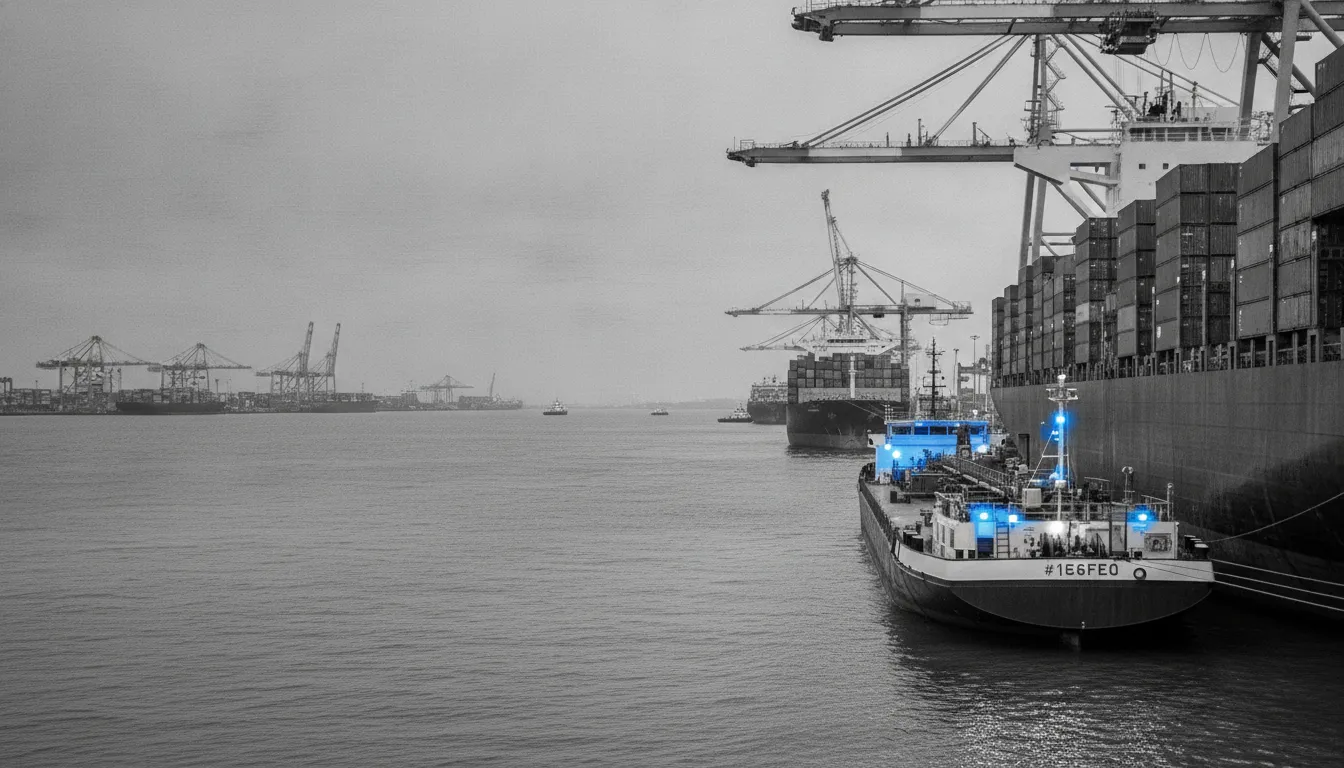
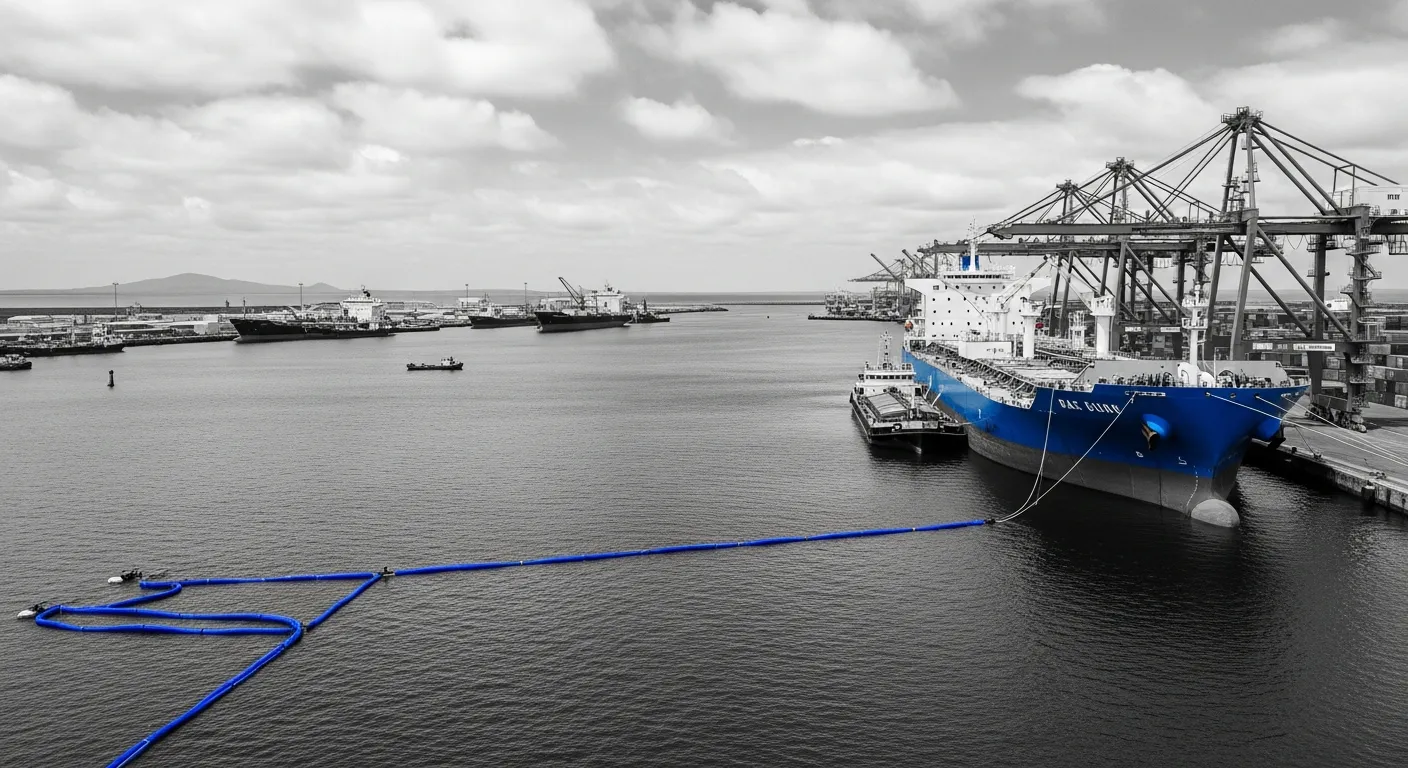
The difference lay not in natural advantage but in execution and sustained commitment. Mauritius offered ship-to-ship refuelling at anchorage, enabling vessels to avoid berthing delays entirely—a critical advantage over congested South African facilities. Multiple international suppliers—Trafigura, Minerva, Bunker One, and local operators including Indian Oil (Mauritius), Vivo Energy Mauritius, Total Mauritius, Engen (Mauritius), and Stonewin—established competing operations, driving down spreads and shortening port call duration. The port's anchorage-based model allowed rapid turnaround without dependency on fixed berths. Major commodity traders who had previously staged offshore operations out of Algoa Bay simply relocated to Port Louis between February and March 2024, once the political and operational environment stabilised. Storage capacity expanded from 145,000 tonnes to over 200,000 tonnes, with plans to exceed 175,000 tonnes by 2026. Three primary grades—GO 2500, FO 180, and FO 380—are supplied year-round by seven bunker suppliers operating six bunker barges. "Mauritius moves quickly," Wasserman said, "and that is not only in terms of infrastructure and concessions. It is about development, support, efficiency and strategic positioning."
Walvis Bay Emerges: A Second Mover Gains Ground
Namibia's Walvis Bay presented itself as a complementary option for northbound and Atlantic-facing traffic. In November 2025, Dubai-based Flex Commodities launched physical bunkering at Walvis Bay and Lüderitz, explicitly positioning itself as "an alternative to traditional bunkering stops in the region" and targeting "the growing volume of traffic moving around the Cape and the offshore market around the region." Walvis Bay underwent infrastructure upgrades, including deepening of the entrance channel to 16.5 metres in 2025, enabling larger vessel calls to transit safely and efficiently. Trade data for February 2026 underscored its role as Namibia's principal gateway, handling significant export and import volumes amid the broader rerouting trend. New entrants signalled genuine confidence: Vitol, Bunker Partner, Peninsula, Flex Commodities, and Global Fuel Supply all announced expansion plans across the African coast. Monjasa, Denmark's long-standing supplier operating in West Africa for nearly two decades, reported further increases in bunkering activity and added capacity to its regional fleet. The proliferation of suppliers created genuine competition absent in South Africa's constricted, congestion-prone terminals.
For buyers, the shift is operationally and tactically significant. South Africa's Port of Cape Town experienced vessel inquiries for bunkering, crew changes, and ancillary services, yet structural constraints—congestion, limited dedicated infrastructure, and regulatory friction—stalled actual bunker volume growth. Official assessments indicate no significant increase in ship-to-ship bunkering uptake as of late March 2026. Walvis Bay and Port Louis, by contrast, accommodated demand elastically, expanding capacity and supplier base in real time.
Supply Vulnerability: Refinery Collapse and Import Dependency
South Africa's competitive disadvantage is rooted in chronic fuel supply deficiency, not geographic determinism. The prolonged shutdown of the Astron refinery, explosion at the Engen facility, and closure of Sapref transformed South Africa from a net exporter of residual fuels into a net importer. Three major refineries have effectively gone offline with no corresponding upgrade in logistical capacity. Astron Energy remains the only domestic marine fuel producer; the market relies heavily on costly imported bunker stock. In 2024, total fuel sales amounted to under 900,000 tonnes—a sharp decline from the country's heyday and insufficient to satisfy demand spikes during geopolitical crises or supply disruptions. The PetroSA refinery in Mossel Bay, Western Cape, has been dormant for nearly two years, with no active production taking place.
Compounding this is port infrastructure stagnation. The number of berths at Durban and Cape Town remained static despite significantly increased vessel traffic required to support higher import volumes. Adverse weather frequently prevents ships from docking, halting fuel transfer into the pipeline system for days at a time. The effects ripple inland, straining supply security across the country. As one industry figure described it: "a continuous and precarious balancing act that was being barely managed behind the scenes." Regional supply challenges are further exacerbated by global fuel-oil supply tightening. With the Strait of Hormuz shutdown curtailing Middle Eastern fuel exports, fuel oil supply is expected to tighten across all bunkering hubs, according to LSEG analysts. South Africa, lacking domestic refining capacity, faces outsized vulnerability to these global constraints.
Regulatory Uncertainty and Lease Insecurity
A deeper structural problem hinders private investment recovery: month-to-month leases for tank farms and offloading facilities at key terminals, particularly Durban's Island View precinct, lack the long-term certainty required to justify capital expenditure. Many agreements expired more than a decade ago. Industry estimates suggest R20 billion (approximately USD 1.2 billion) in private-sector investment could be mobilised if lease security were resolved through formal, long-term agreements. Without it, fuel suppliers and terminal operators defer expansion, leaving South Africa unable to respond dynamically to supply shocks or traffic surges. The lack of long-term lease agreements for port-based infrastructure has become the single greatest barrier to unlocking private investment in domestic bunkering capacity.
Mauritius and Walvis Bay faced no such structural impediments. Mauritius offered long-term operating agreements and allocated port land to private developers for storage facility construction. Walvis Bay provided stable regulatory certainty for new entrants to commit capital. The contrast is stark: Mauritius's 2014 strategy established a bunkering regime that reduced levies, removed taxes, lowered port costs, and issued licenses efficiently. South Africa's fractured governance, tangled lease arrangements, and regulatory friction created the opposite environment—one where international operators rationally chose to establish operations elsewhere.
What This Means for Buyers and Operators on the Cape Route
For shipowners, charterers, and procurement teams, South Africa's weakness creates both risk and negotiating opportunity. Risk stems from dwindling fuel availability and higher on-the-spot pricing at South African ports, amplified by supply-chain fragility. The Iranian closure of the Strait of Hormuz has tightened global fuel-oil supplies, with analysts cautioning that fuel oil supply is expected to tighten across all bunkering hubs. South Africa's import dependency and idle refining capacity leave it particularly exposed to these global constraints. Buyers seeking secure fuel supplies along the Cape route must now factor regulatory uncertainty, port congestion risk, and smaller supplier pools into voyage planning.
Conversely, the emergence of Mauritius and Walvis Bay as credible alternatives creates leverage. Operators can now negotiate fuel pricing and availability across three competing hubs, reducing dependency on any single port and lowering all-in fuel costs through competition. Port Louis offers 24/7 operations, multiple suppliers, efficient anchorage-based delivery, and tax incentives that reduce total cost of supply. Walvis Bay offers newer infrastructure, expanding capacity, and lower congestion. For procurement teams, the strategic move is to build dual or triple-hub sourcing strategies, maintain standing relationships with multiple suppliers at each location, and monitor regulatory developments in Mauritius and Namibia as closely as supply metrics. South Africa's loss is the Cape route's gain—but only for operators nimble enough to exploit it.