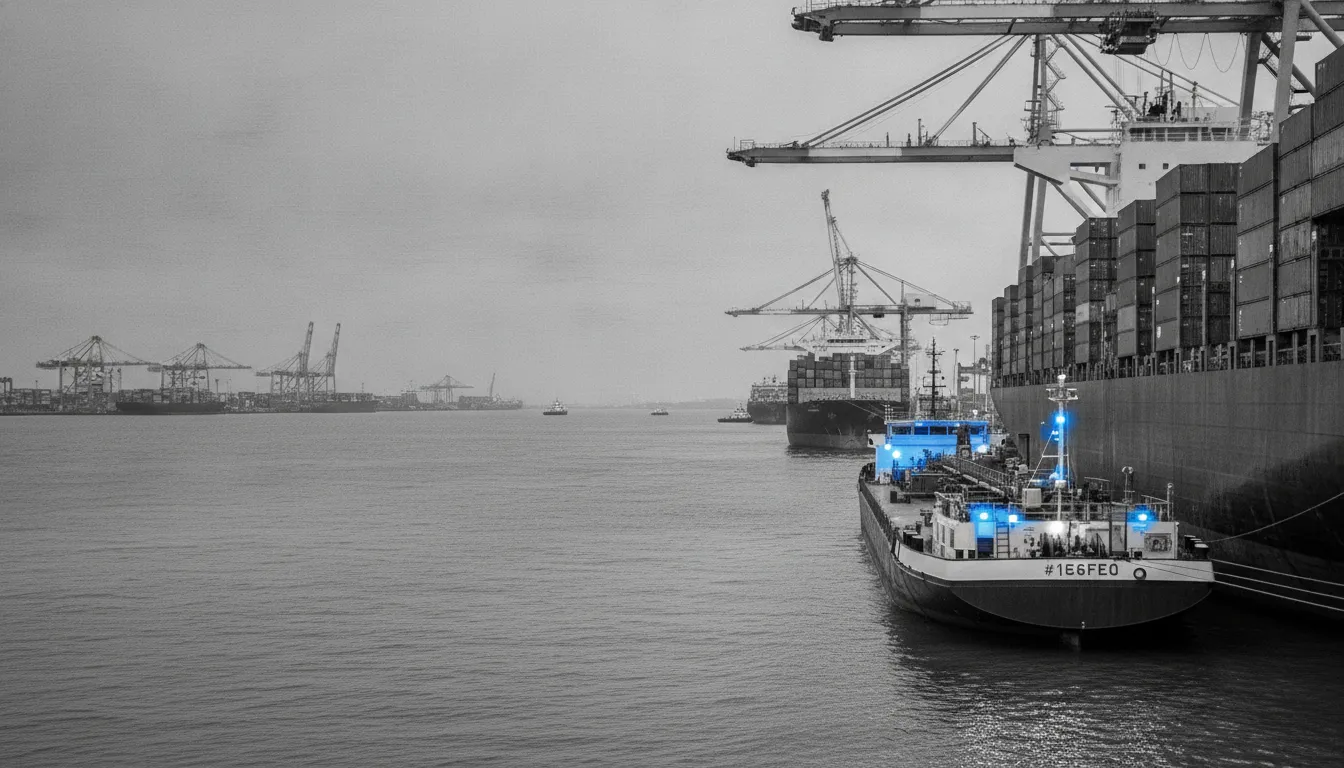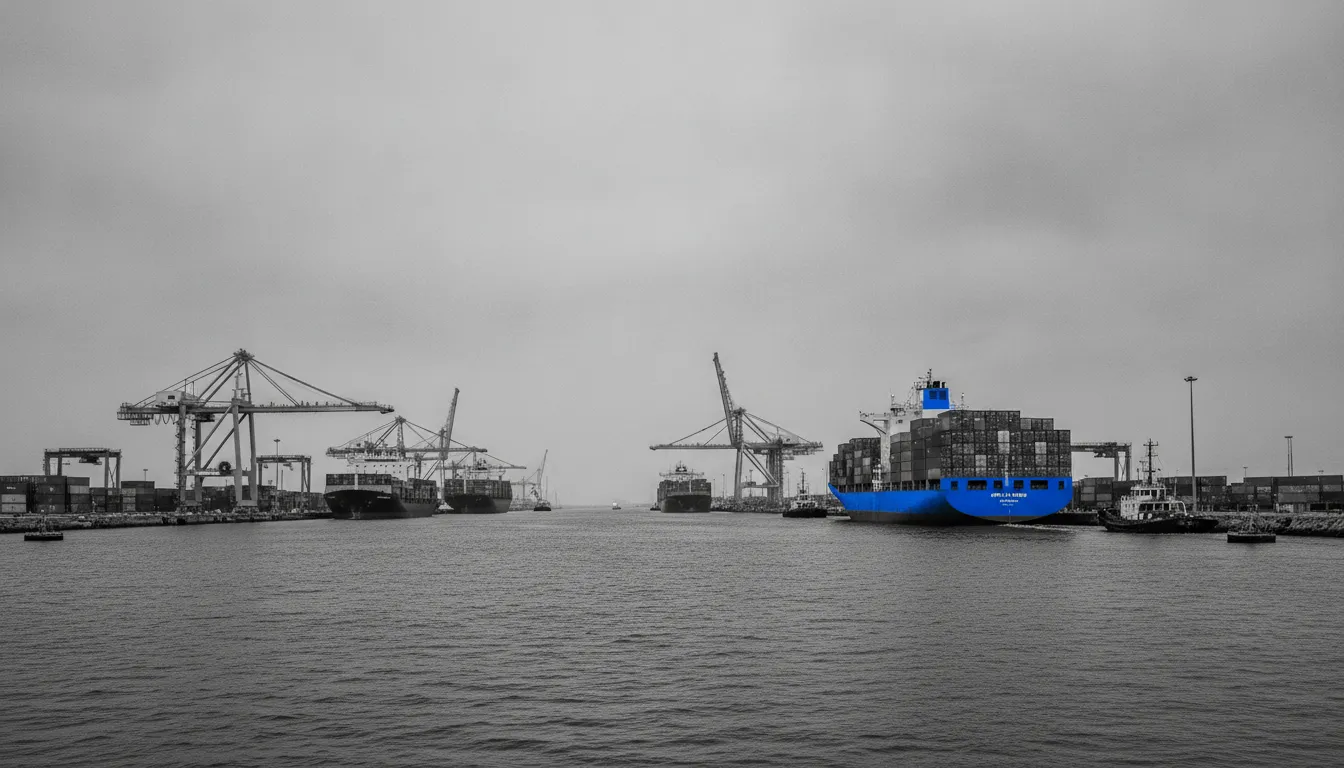
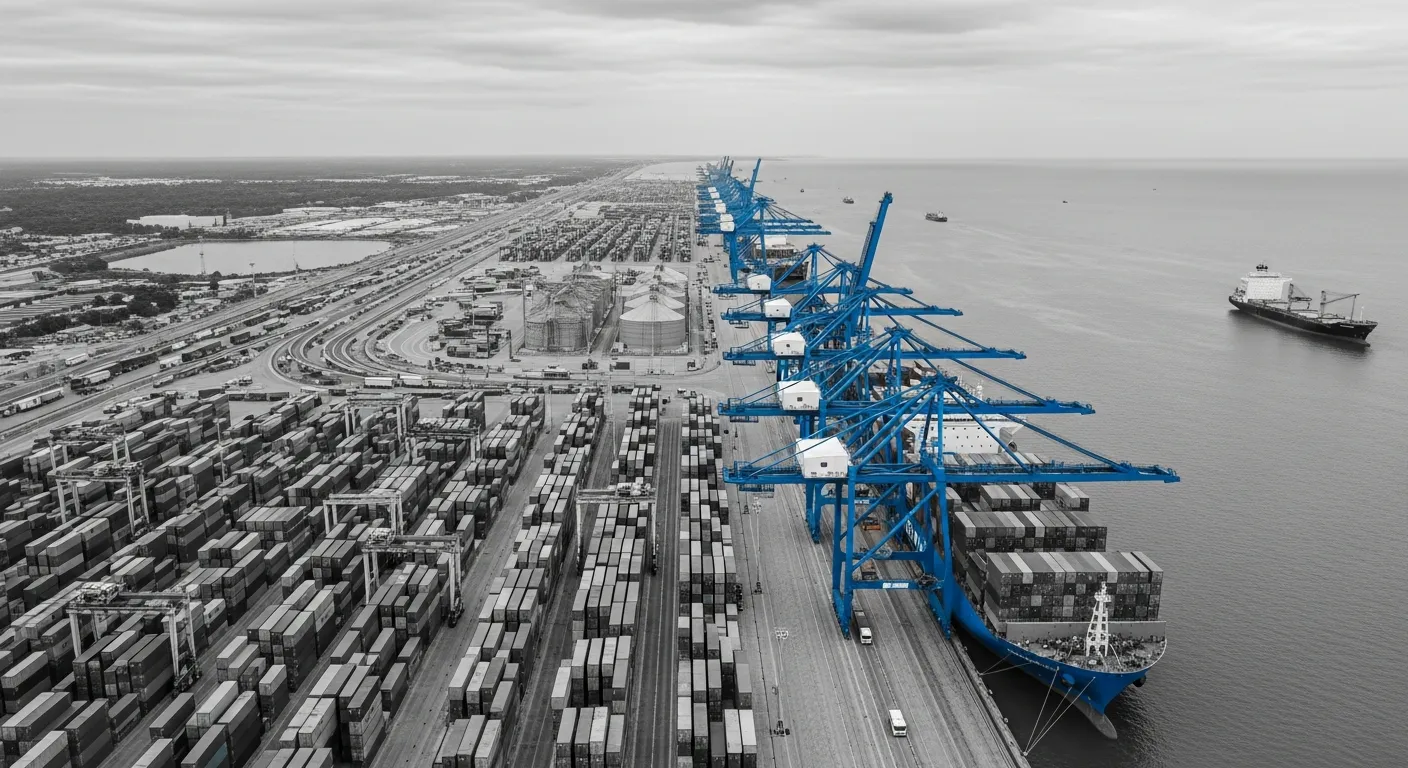
"Over $27 billion worth of port-related investments are underway or recently announced across West and Central Africa, fundamentally altering the region's competitive maritime landscape," according to port authorities and trade bodies meeting in Lagos in May 2026.
Nigeria's Multi-Billion Port Rehabilitation Accelerates Fleet Support Demand
Nigeria's commitment to port modernisation is driving substantial near-term opportunities for suppliers. The Nigerian Ports Authority (NPA) has secured approval for $1 billion in rehabilitation work at Apapa and Tin Can Island ports, with construction scheduled to commence in Q1 2026 over a four-year period. In parallel, the Lekki Deep Sea Port—completed in 2023—has already demonstrated explosive growth, recording a 2,160 per cent year-on-year increase in throughput as of mid-2025. The NPA is allocating 62 per cent of its 2026 revenue to capital expenditure, targeting N945 billion for port infrastructure projects.
For ship suppliers, this creates immediate demand. Larger volumes of cargo moving through modern berths with faster turnaround times translate to increased vessel calls and higher provisioning requirements. The ongoing digital transformation—part of a broader effort to cut cargo dwell times from the current 18–21 days to under 7 days by 2026—will pressure terminals to operate more vessels per day, directly increasing demand for bunkers, lubricants, spare parts, and fresh provisions. Additionally, as channel deepening projects progress to accommodate mega-vessels, chandlers positioned near Lagos, Port Harcourt, and Calabar will capture supply contracts from larger, more frequent callers.
Douala's Specialised Dry Bulk Terminal Creates Niche Supply Opportunities
The Port of Douala, Cameroon's principal maritime gateway handling 80 per cent of the nation's bulk cargo and 85 per cent of national trade volumes, is undergoing a transformative expansion. In February 2026, AD Ports Group joined a 30-year concession agreement with Africa Ports Development to design, build, and operate a new dry bulk terminal. Phase 1, under construction until 2028, will comprise two berths spanning 450 metres of quay wall with an annual capacity of 4 million tonnes of dry bulk cargo—clinker, gypsum, fertiliser, and grain. AD Ports' share of the phase 1 investment is approximately $87 million.
The specialised nature of this terminal—optimised for dry bulk and agribusiness commodities—creates distinct supply niches. Suppliers can anticipate sustained demand for lubricants suited to high-volume conveyor operations, chemical handling equipment, spill-containment systems, and maintenance consumables specific to bulk-handling cranes and gantries. The project is expected to generate up to 4,000 direct and indirect jobs, signalling the emergence of a robust local logistics ecosystem. Hinterland connectivity linking Douala to industrial centres across Central Africa will incentivise suppliers to establish forward depots in Cameroon to serve the expanding flow of vessels and inland distribution networks.
Tema: Digital Automation as a Regional Hub Model
Ghana's Port of Tema represents the most advanced digital transformation in West Africa and serves as a blueprint for regional consolidation. The $1.5 billion expansion, officially commissioned, has created Terminal 3—a facility spanning 127 hectares with a 1.4-kilometre quay and 16-metre draft capable of accommodating the world's largest container vessels. The terminal operates with automated gates, real-time performance dashboards, and a fully automated terminal operating system developed by Ghanaian engineers.
Tema's strategic advantage lies in its designation as a transshipment hub. "When ports combine development vision with disciplined execution, markets respond," according to APM Terminals, the facility's primary operator alongside the Ghana Ports and Harbours Authority and Africa Global Logistics. Container volumes across West Africa have risen by nearly 50 per cent in less than a decade, and Tema's positioning as a first-call port for mega-vessels has accelerated this trend. For suppliers, the shift towards hub-and-spoke operations means sustained, predictable vessel calls from larger alliance partners. Fully digital customs clearance and integration of clearance procedures with port infrastructure reduce dwell times, enabling faster turnarounds and higher volume throughput—metrics that incentivise shipping lines to call more frequently and carry higher inventories of consumables, provisions, and spares.
Regional Consolidation and Competitive Pressure Reshape Supply Chain Logistics
The $27 billion investment wave is not evenly distributed; rather, it is concentrating capacity around strategic hubs. Port authorities acknowledge that regional consolidation is underway: ports are "evolving beyond their traditional role as cargo gateways" into platforms for blue economy development, industrial zones, and value-added logistics. The Port Management Association of West and Central Africa (PMAWCA) emphasises that effective inter-agency collaboration and digital integration are essential to reduce bottlenecks and attract larger vessels.
This consolidation creates both risk and opportunity for suppliers. Weaker ports may experience declining call volumes as shipping lines favour efficient, digitally integrated hubs. Conversely, suppliers positioned at Tema, Douala, and modernised Lagos terminals will benefit from higher vessel frequency and longer dwelling times for provisioning. The AfCFTA (African Continental Free Trade Area) is expected to increase intra-African commerce, multiplying the demand for reliable supply-chain partnerships and transparent port processes—areas where digitally integrated ports provide competitive advantage and reduce uncertainty for suppliers bidding for integrated contracts.
Digital Transformation and Procurement Tech Integration
West African ports are adopting Port Community Systems (PCS), digital customs platforms, and automated billing to streamline logistics. Tema and modernised Nigerian terminals now operate real-time vessel tracking and performance dashboards, reducing administrative delays that have historically inflated demurrage costs and extended provisioning cycles. For suppliers, this means tighter inventory management is now viable; digital integration allows just-in-time provisioning and reduces the working capital tied up in on-dock storage.
However, digital adoption is uneven across the region. Suppliers must develop dual-track capabilities: maintaining traditional manual processes and documentation for less-developed ports whilst simultaneously investing in API-enabled, cloud-based ordering and invoicing systems for hubs like Tema. The investment required to support both operational models creates a barrier to entry for smaller suppliers but consolidates market share among larger, digitally capable firms. Those positioned to offer integrated bunker-trading, provisions, and spares solutions via port community platforms will capture premium contract structures with shipping lines and terminal operators.
What This Means for You
Suppliers and chandlers should prioritise strategic positioning at Tema, Douala, and Lagos' modernised terminals. Monitor NPA capex spending milestones—$945 billion allocated for 2026—and establish relationships with terminal operators before major rehabilitation work concludes in Q2 2026. Invest in digital integration and API compatibility with port community systems to secure long-term framework contracts. For smaller suppliers, focus on niche, high-value specialisations (bulk-cargo additives, mega-vessel provision packages, technical spares) where digital efficiency creates premium pricing. The consolidation towards hub-and-spoke operations means fewer, larger vessel calls at selected terminals; securing supply contracts at those hubs now will protect revenue streams as competing ports lose traffic.