
Advertisement
Your banner here
News
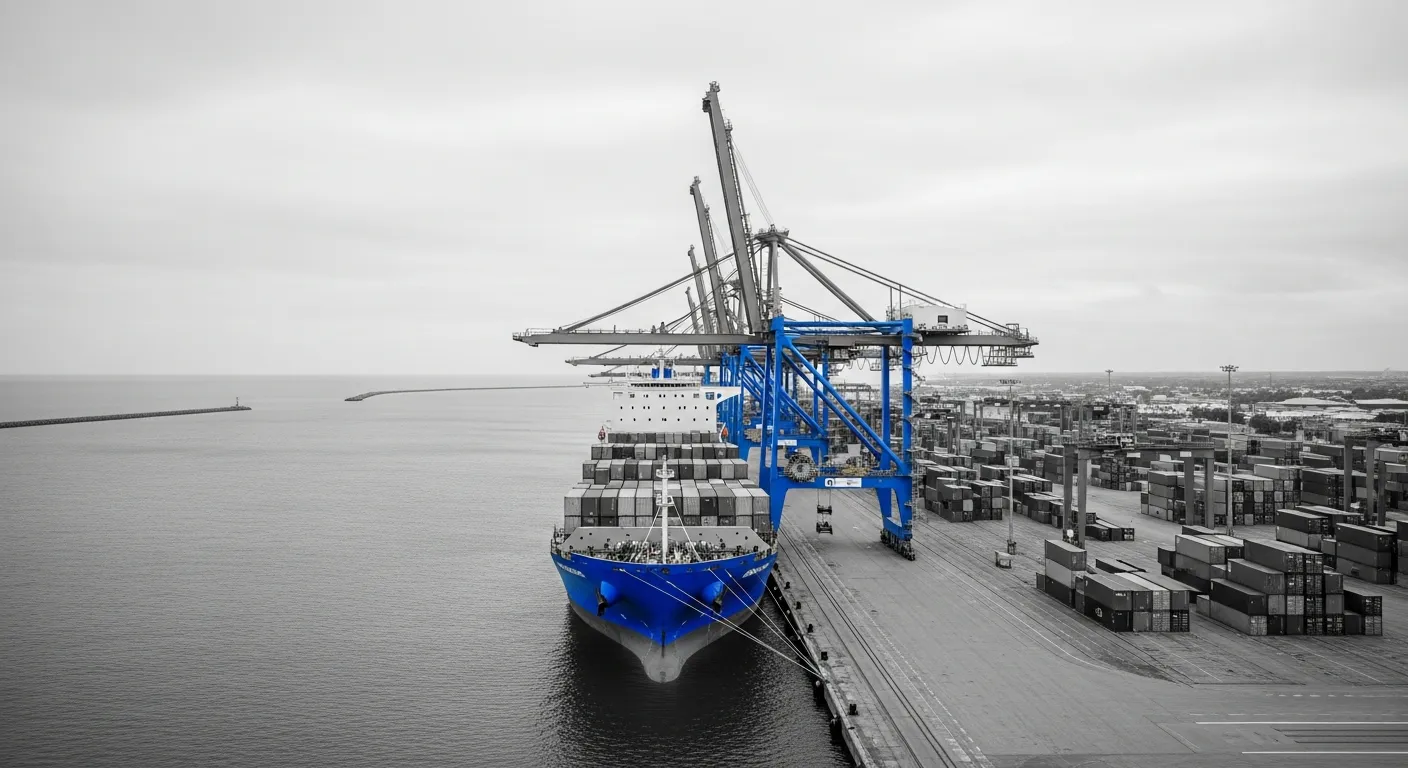
From 27.7M to 54.6M Tonnes: Dar es Salaam Doubles Its 2030 Ambition as Public-Private Investment Transforms East Africa's Container Gateway
The Tanzania Ports Authority has announced an aggressive expansion target: 54.59 million tonnes annually by 2030/31, nearly double the record 27.7 million tonnes handled in 2024/25. Driven by $421 million in infrastructure investment and concessions to DP World and Adani Ports, the port is reshaping
Gulf Bunker Surpluses in a 60-Day Hormuz Window: Lock Spot Deals or Hedge Long-Term?
The 60-day US-Iran ceasefire memorandum signed 17 June 2026 has reopened the Strait of Hormuz and created a narrow window of temporary bunker oversupply across Gulf ports. For the first time in months, buyers can capitalise on favourable spot pricing while traditional supply hubs in Africa and Singa
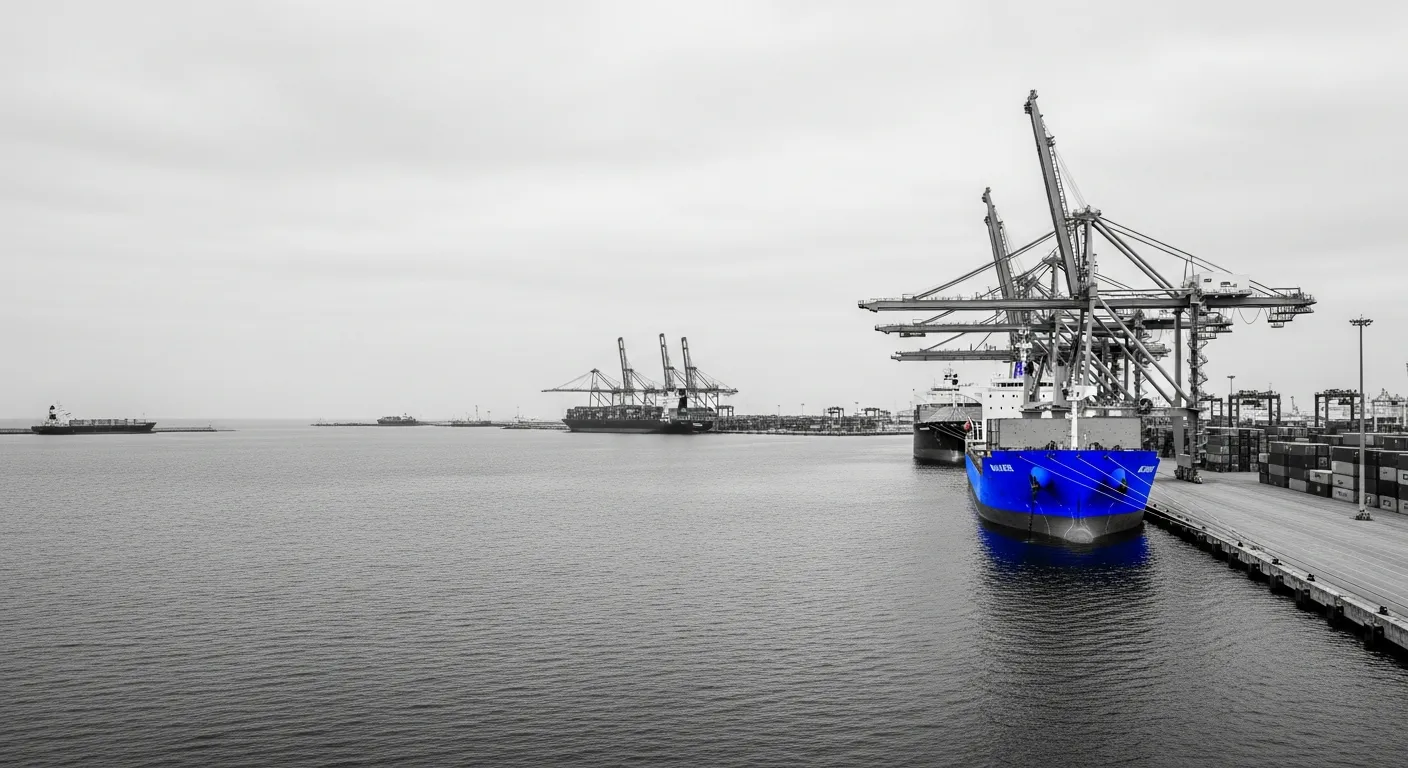
Oman's Strategic Role in Post-Hormuz Trade: Coastal Hubs Become Critical Gateway for Diverted Gulf Traffic
The 2026 Strait of Hormuz closure has compressed shipping geography into Oman's Arabian Sea ports. Duqm, Salalah, and Sohar have emerged as essential land-bridge hubs, supported by coordinated US Navy demining operations and newly established maritime corridors. With the strait still contested and o
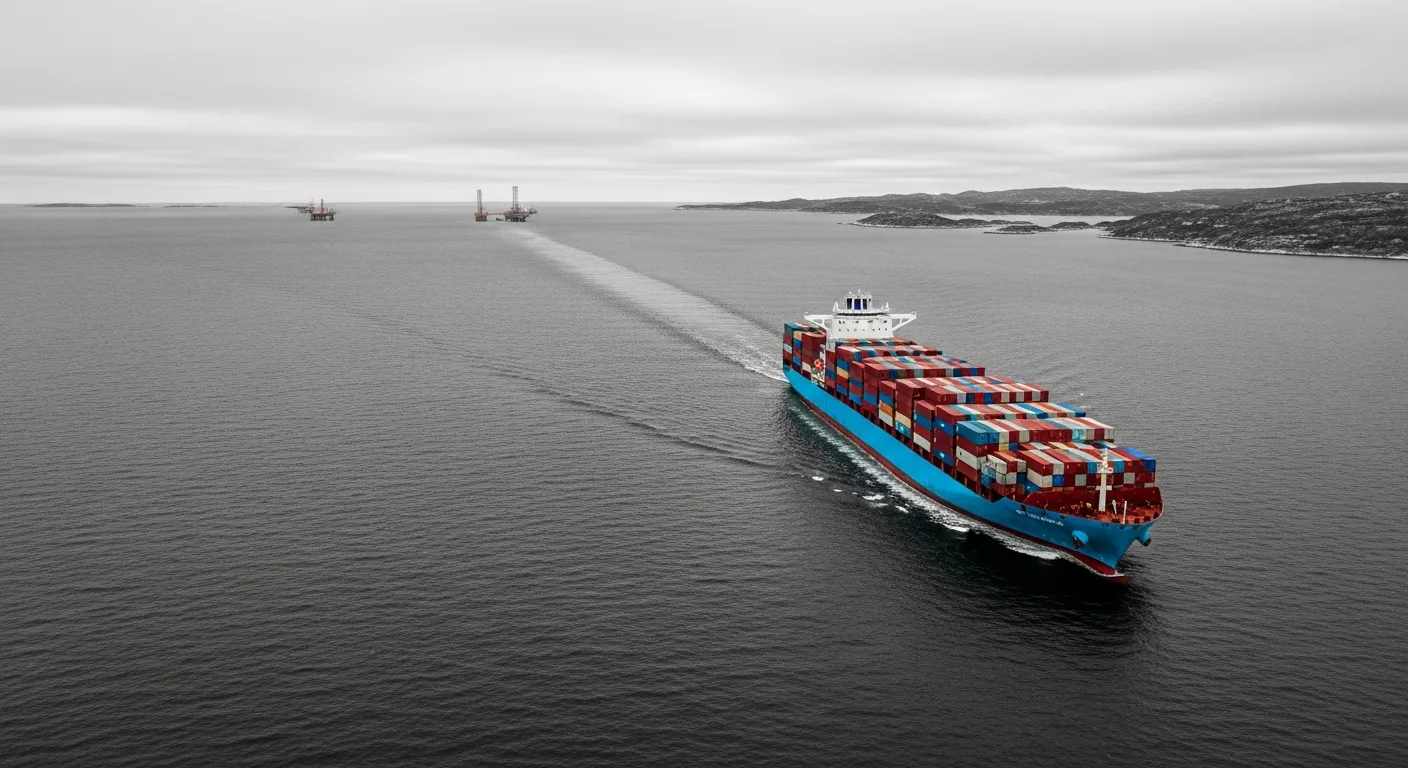
Norwegian Sea and Canadian Arctic NOx Tier III ECAs: Compliance Timeline and Fleet Strategy for March 2026 Enforcement
From 1 March 2026, the Norwegian Sea and Canadian Arctic officially became Emission Control Areas (ECAs) under MARPOL Annex VI, bringing strict NOx Tier III and SOx 0.10% sulphur content requirements to two critical shipping corridors. For fleet operators, shipbuilders, and procurement teams, the ph
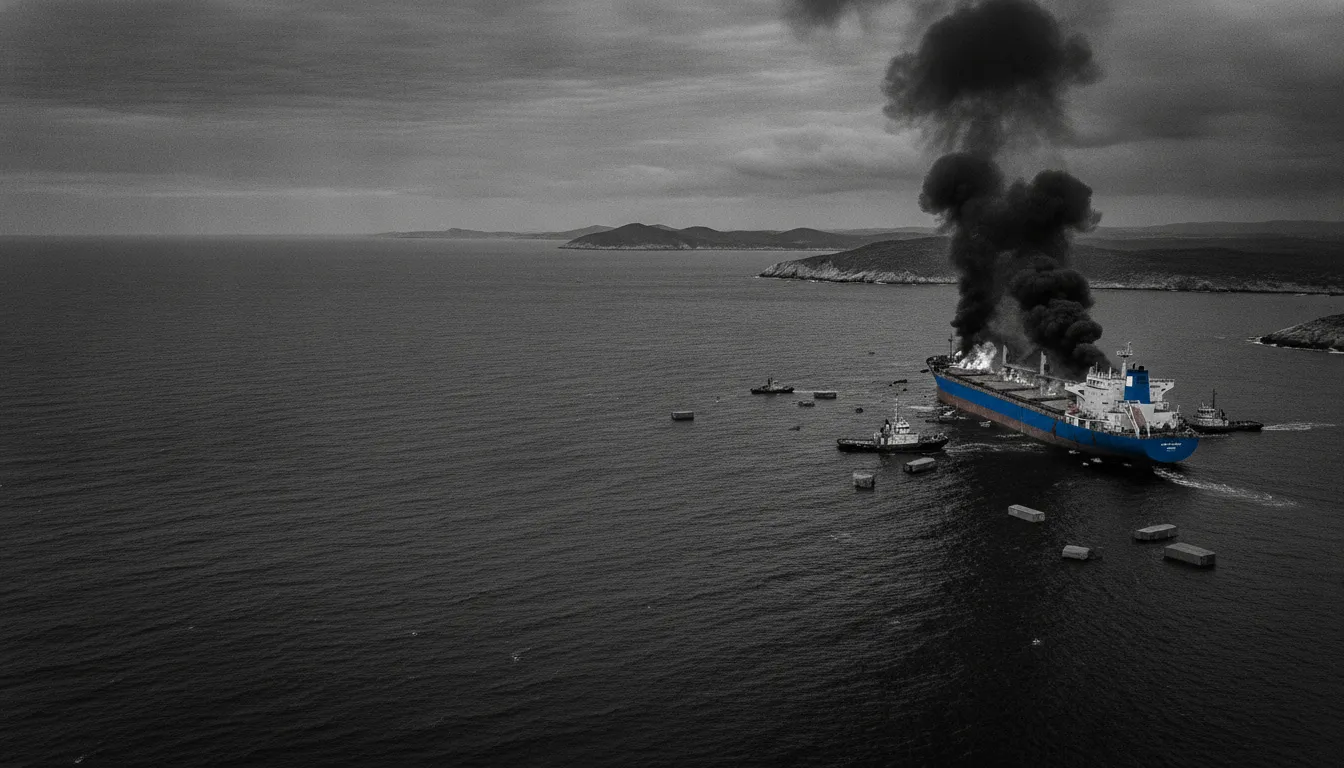
Hormuz Attacks Sink Vessels in October 2026: War-Risk Reshapes Emergency Bunker Procurement
The Singapore-flagged container ship GFS Pride and Antigua and Barbuda-flagged bulk carrier Cape Dao both sank near the Strait of Hormuz in mid-October 2026 after being struck by projectiles. These sinkings mark a critical escalation in regional security threats and trigger an immediate repricing of
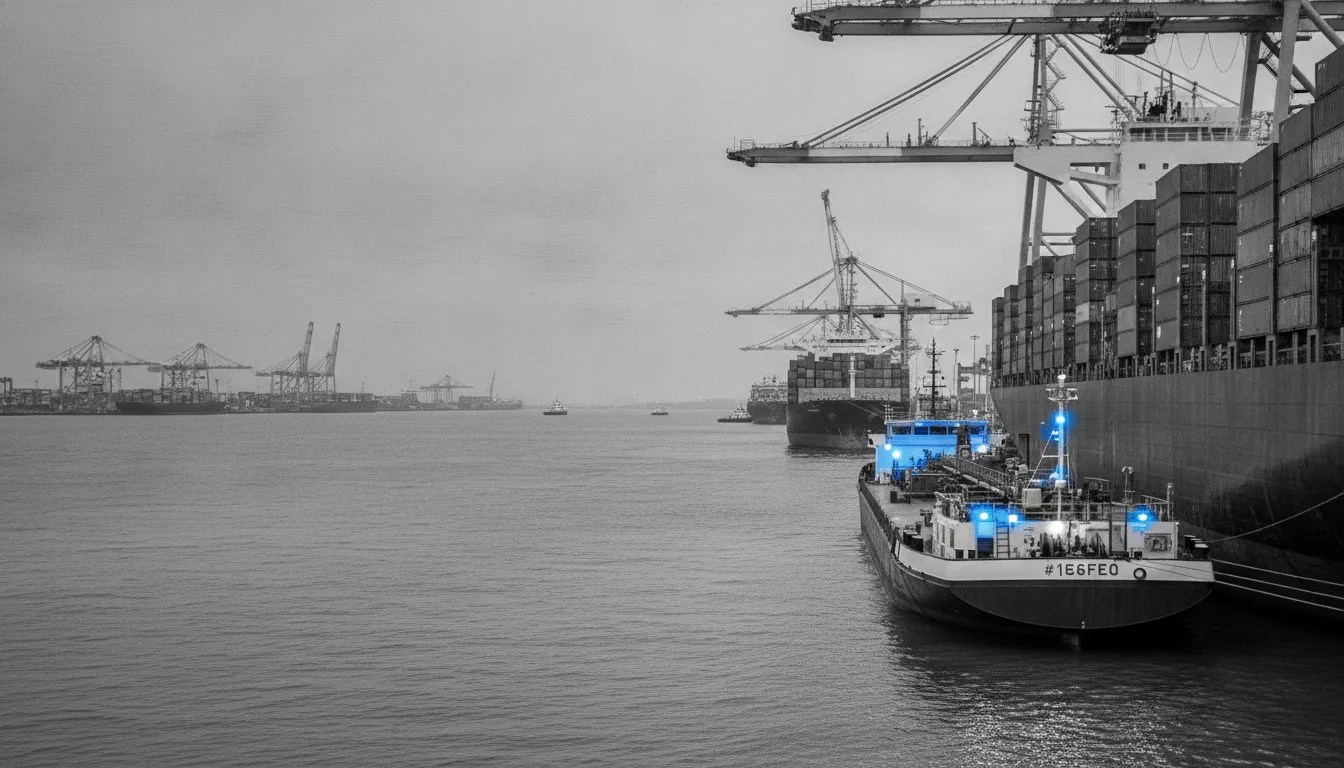
Global Bunker Lead-Time Crunch October 2026: Regional Procurement Strategies Now Mandatory
Bunker procurement has shifted from a buyer's convenience to a logistics crisis. Across ARA, the Mediterranean, Africa and East Asia, lead times have doubled or trebled in just weeks. Durban and Port Louis now require 10–15 day advance orders; ARA prompt windows have compressed to 5–7 days; and VLSF
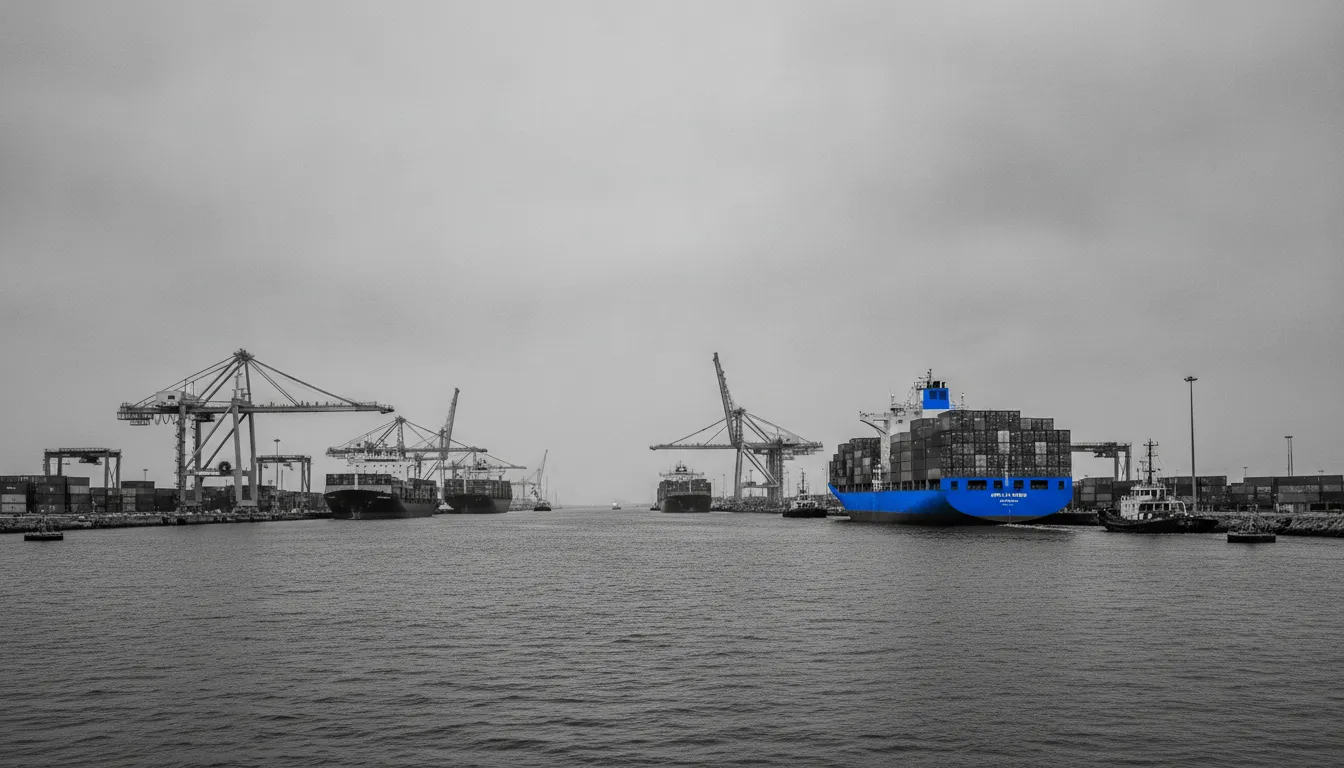
Suez Tightens Ageing-Ship Inspections: Cost and Delay Risk for Post-Panamax Fleets
The Suez Canal Authority has introduced mandatory comprehensive inspections and operational trials for all vessels aged 25 years and older, effective immediately. The new regime requires full technical vetting and advance fee payment before transit, adding material cost and scheduling complexity for
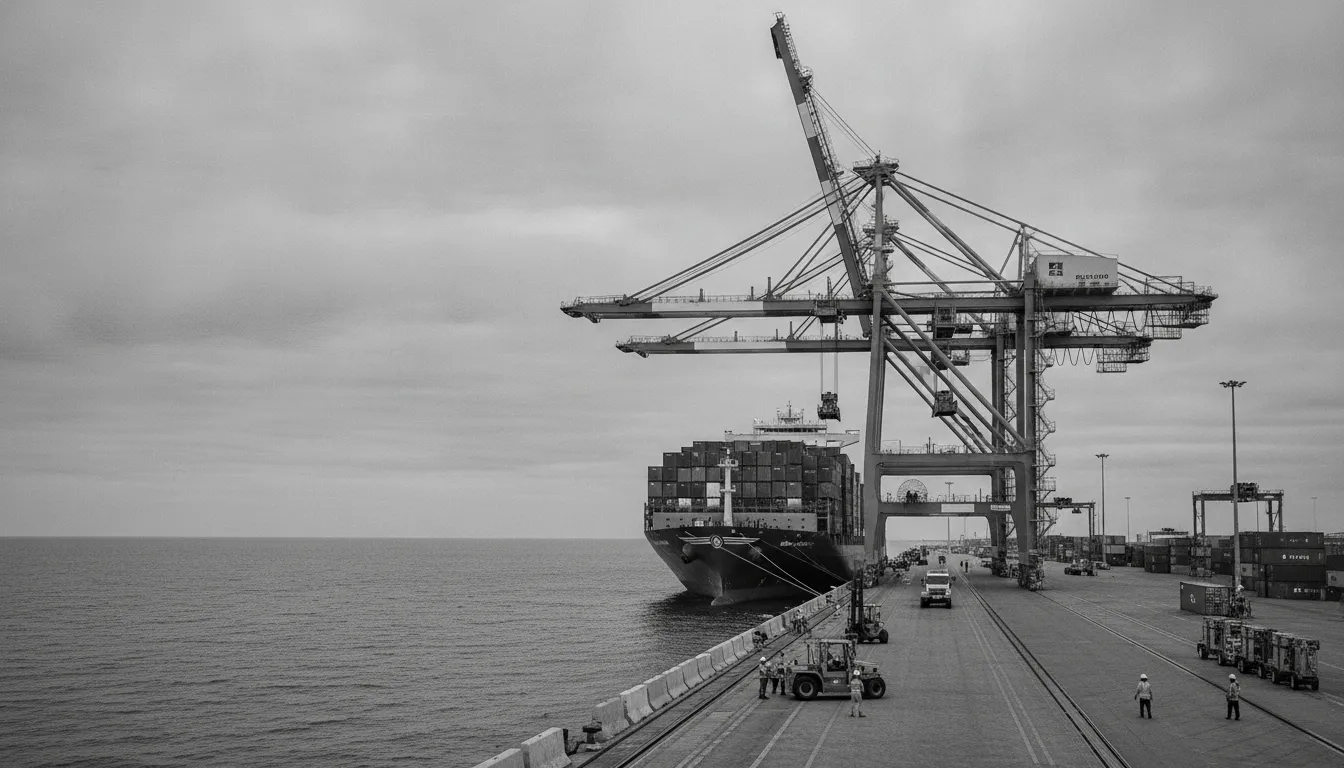
Hapag-Lloyd Recasts Southern & East Africa: Direct Offices End Agent Monopoly, Reshape Procurement
Hapag-Lloyd has opened its own local offices in Walvis Bay (Namibia) and Kigali (Rwanda/Burundi) from 1 October 2026, moving away from agent-dependent relationships and signalling a seismic shift in regional procurement. The German carrier now handles its own operations after a handover from Inchcap
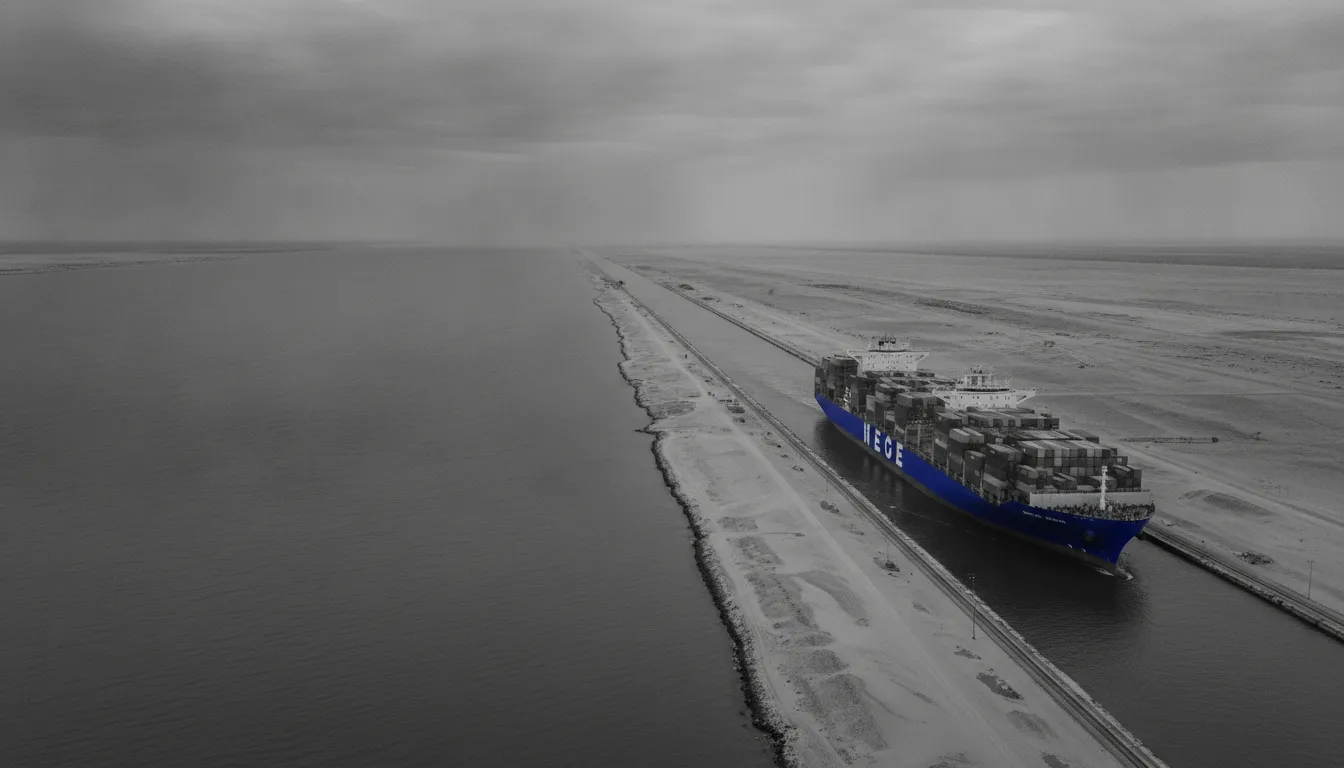
Suez Return Acceleration: 753K TEU/week Reshapes Bunker Lead Times and Route Economics
For the first time since Houthi attacks disrupted the Red Sea in late 2023, Suez Canal transits have exceeded 50 per cent of pre-crisis levels. Clarksons Research data shows weekly container ship capacity averaged 753,000 TEU during the first two weeks of October 2026—up from just 141,000 TEU per we
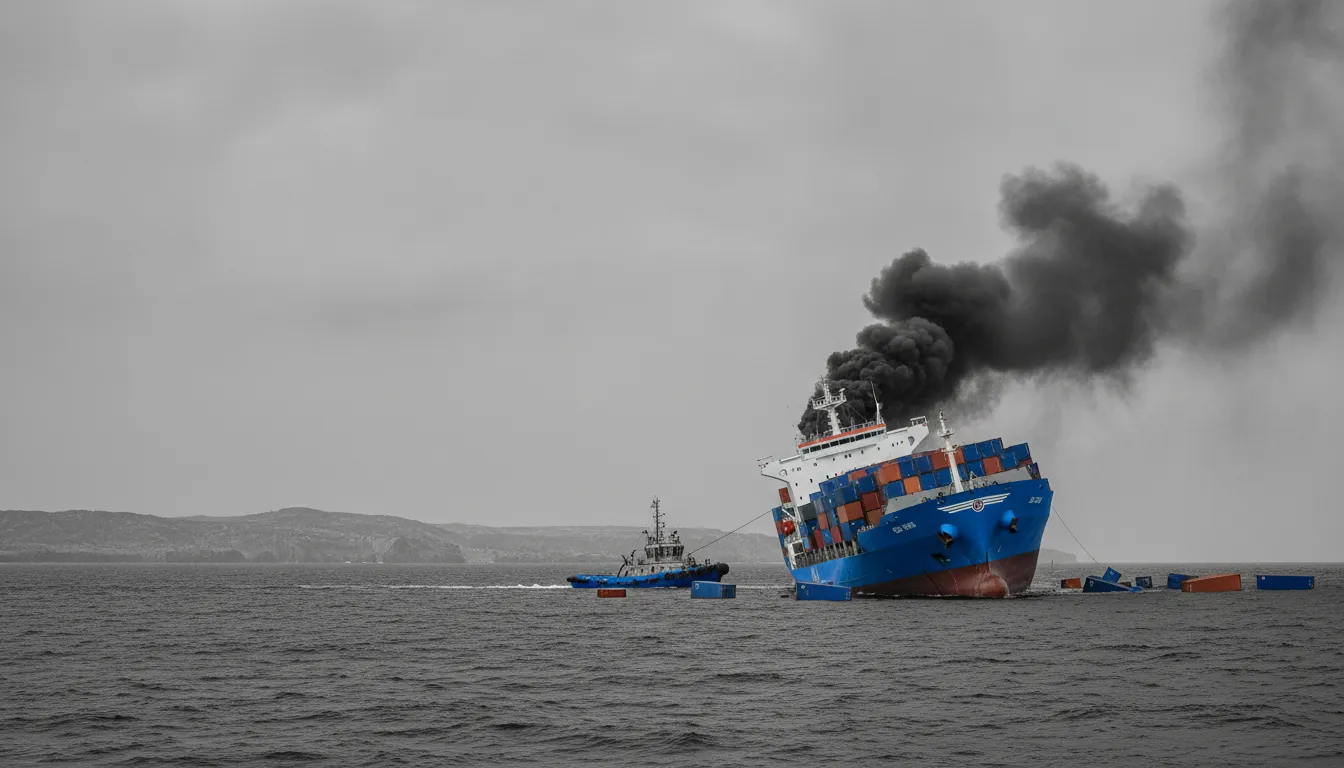
Hormuz Escalation & Bunker Supply Fragmentation: How Geopolitical Volatility Is Forcing a Global Supply Chain Reset
Two container vessels sank in the Strait of Hormuz on 14–15 October 2026, marking a sharp escalation in targeting commercial shipping and signalling profound disruption to global bunker sourcing. The Singapore-flagged GFS Pride (2,824 TEU) was struck by unknown projectiles on 13 October and sank wit
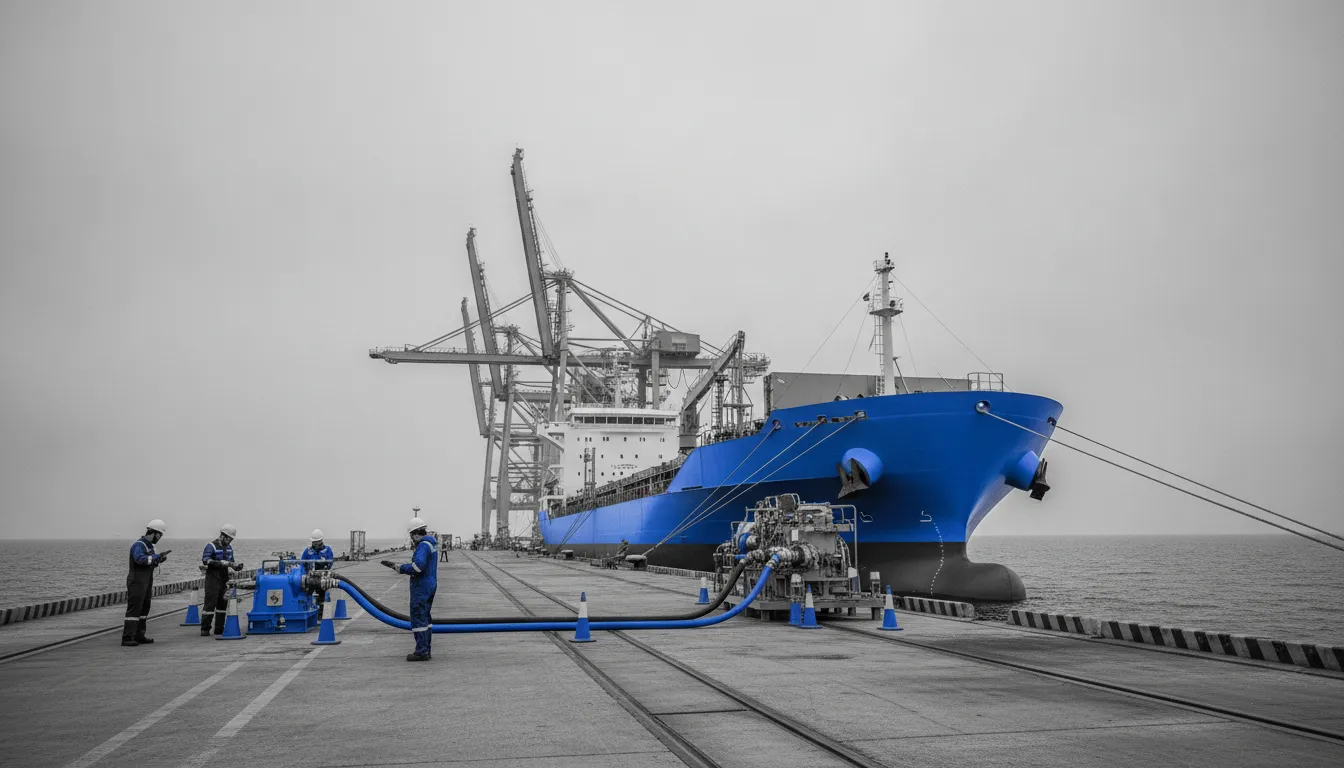
SOLAS II-2 Retrofit Wave: How Low-Flashpoint Fuel Compliance is Reshaping Ship Supply in 2026–27
From 1 January 2026, new SOLAS amendments mandate retrofits for ships using low-flashpoint fuels—methanol, ethanol, ammonia—under tightened IGF Code and IGC Code rules. The 2026 enforcement surge has already triggered a 12–18 month supply-chain crunch as bunkering infrastructure, lifting equipment,