
Advertisement
Your banner here
News
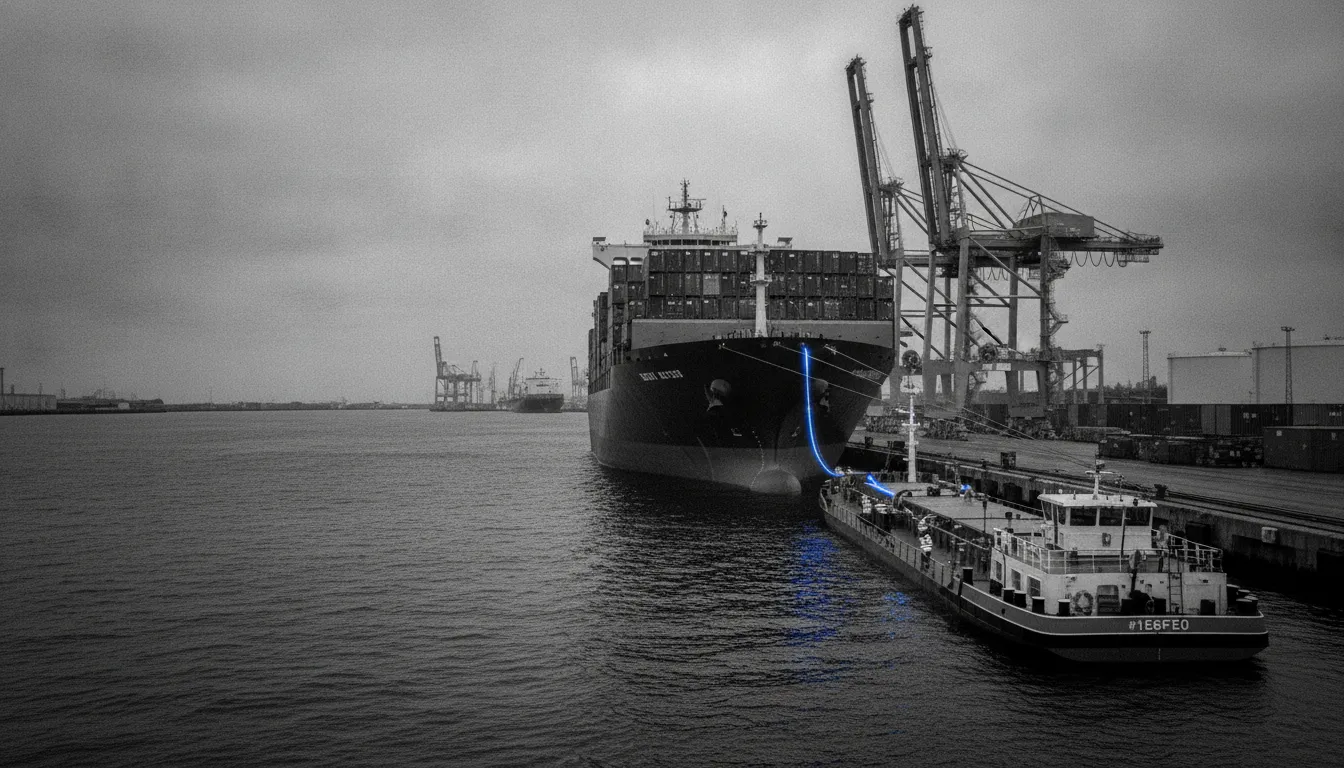
Bio-Bunker Economics vs. Regulatory Fragmentation: Why Biofuel Procurement Stalls in 2026
Marine biofuel capacity is no longer the bottleneck—economics and policy fracture are. At APPEC 2026 in September, Dan-Bunkering revealed that European FAME plants operate at only 52% capacity despite the ability to scale, while producers face crushing margin squeezes that make sustainable operation
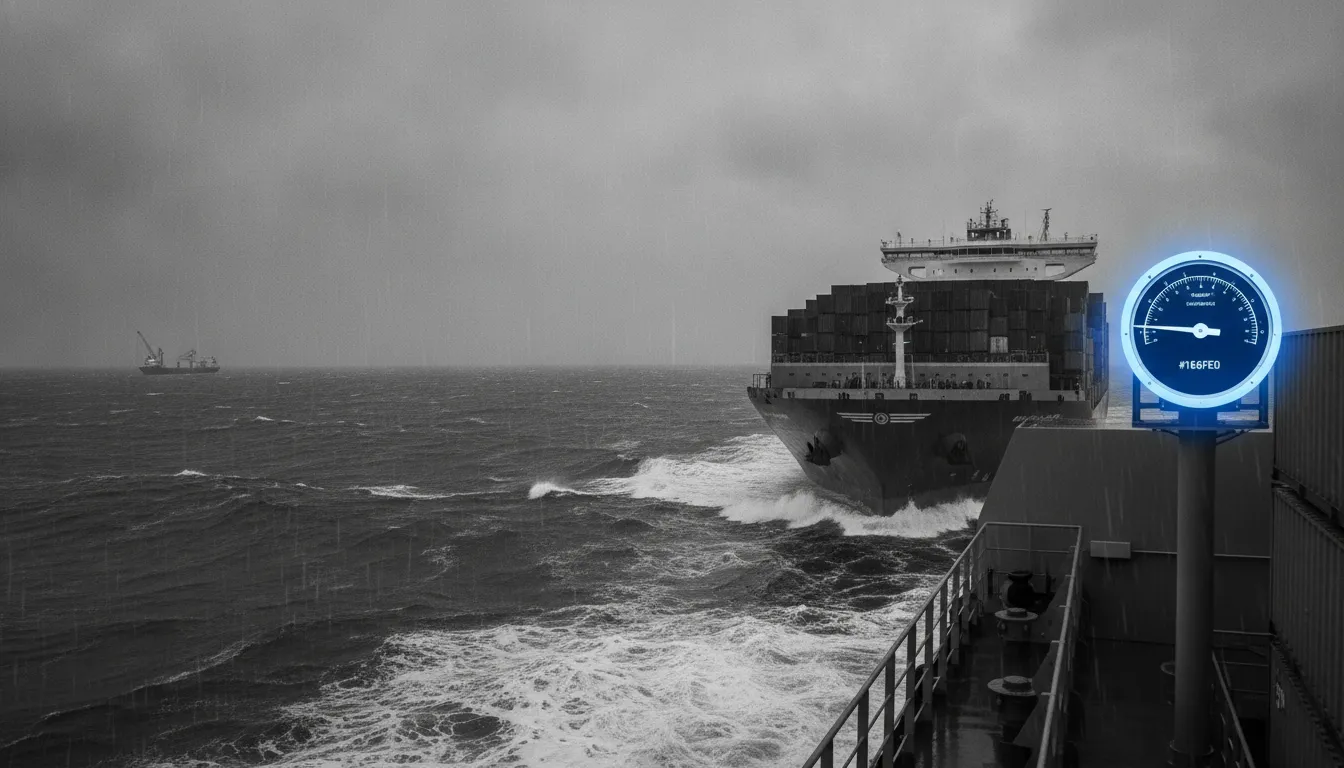
Twin Compliance Storm: Inclinometer & Container Loss Reporting Converge in H2 2026 for Container Operators
From 1 January 2026, two major SOLAS amendments converge to reshape container ship operations: mandatory electronic inclinometers on all new-builds of 3,000 GT and above, and immediate reporting of all container losses to flag states, coastal authorities, and the IMO's GISIS database. Together, they
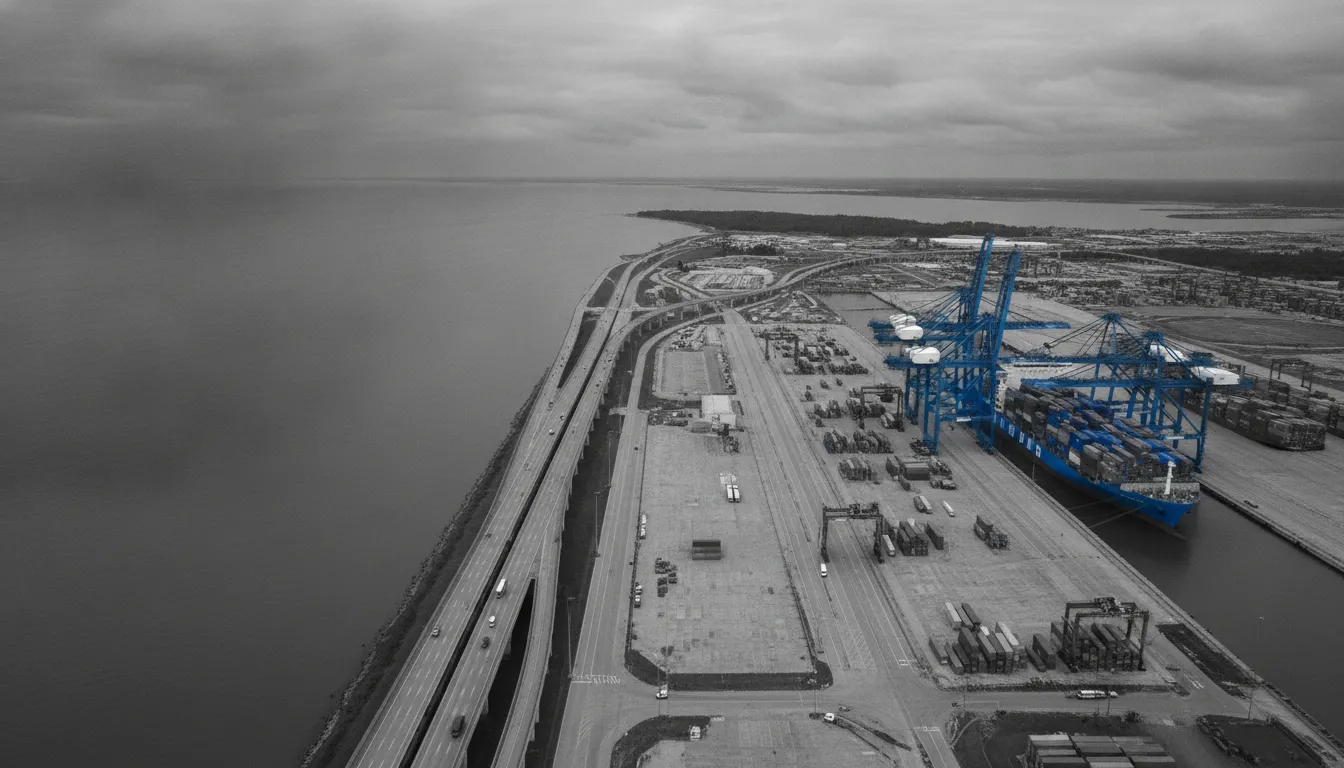
Ocean Terminal: Savannah's 1.75M-TEU Gateway Reshapes East Coast Supply Chains
Georgia Ports Authority's $1.6 billion Ocean Terminal project has passed 60 per cent completion as of 29 September 2026, with newly operational wharves and a fully built 2,650-foot berth ready to handle the largest container vessels. Once finished by end-2028, the 200-acre facility will expand annua
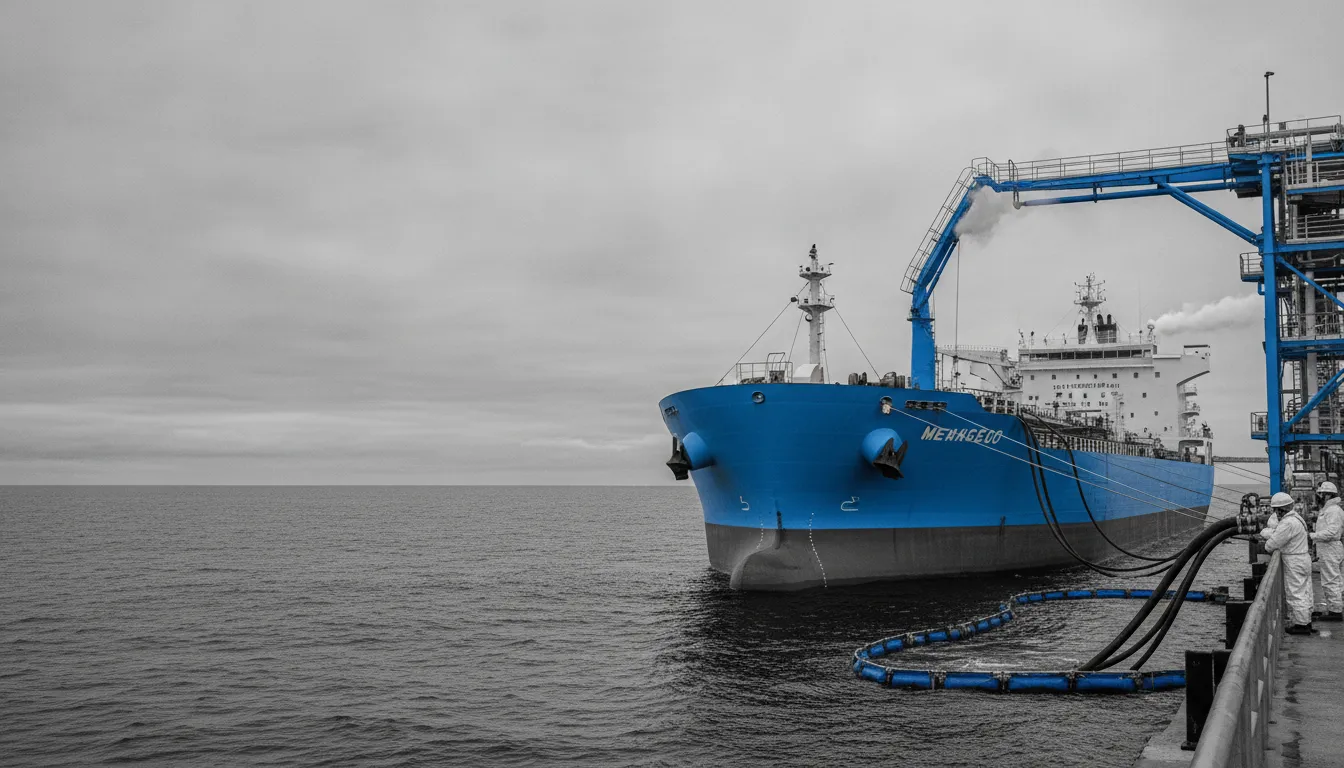
IMO Methanol and Ethanol Bunkering Safety: Nine Months to Prepare for June 2027 Approval
The IMO's Sub-Committee on Carriage of Cargoes and Containers finalised revised interim guidelines for methanol and ethanol bunkering on 14–18 September 2026 in London. The new framework—the first major update to MSC.1/Circ.1621 since 2020—introduces mandatory vapor return lines, stricter ventilatio
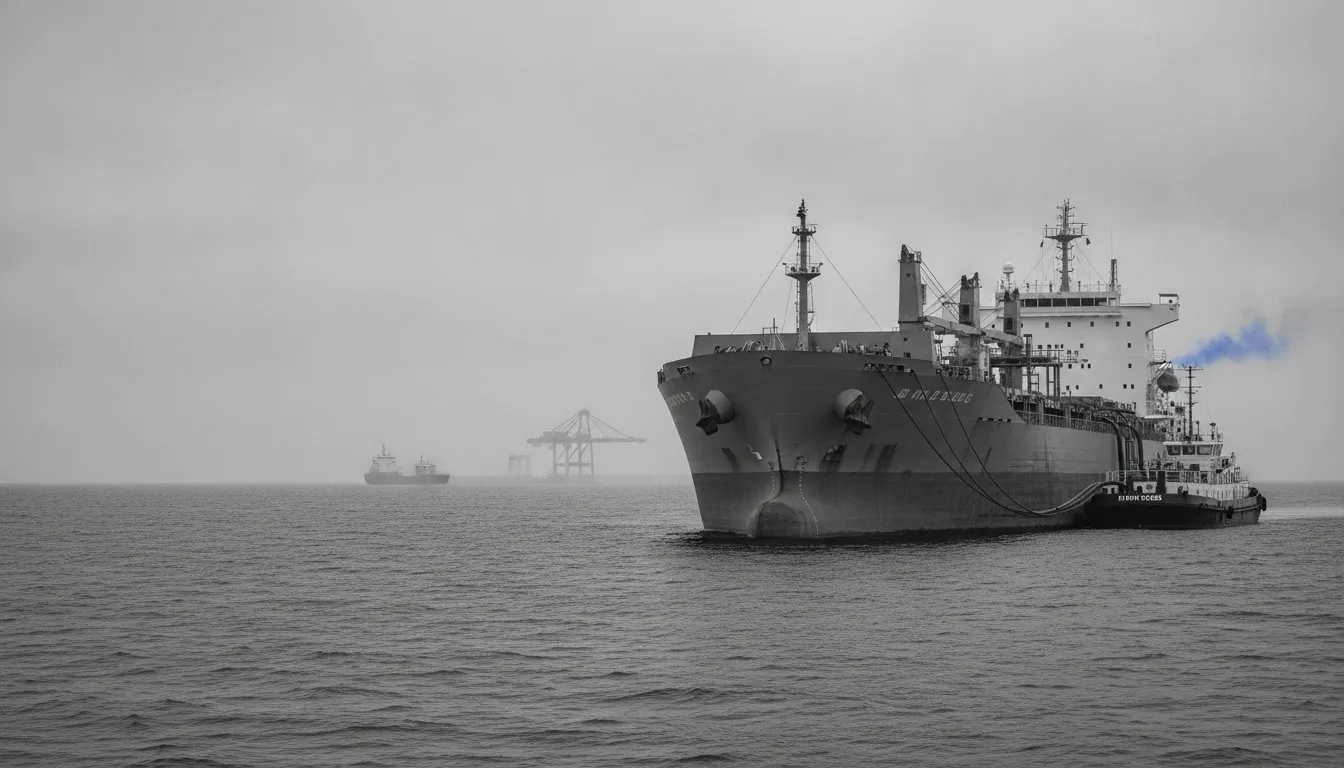
Hormuz Under Strain: 81 Recorded Incidents Force Emergency Procurement Rethink and War-Risk Premium Pricing into Q4
As of late September 2026, the Strait of Hormuz has logged 81 recorded incidents—74 confirmed attacks and 7 near-misses—with three tankers struck on 29 September alone. The escalation forces buyers and operators to abandon traditional procurement models, diversify bunker sourcing away from Gulf term

Dar es Salaam Terminal 1 Surge: East Africa's Container Gateway Hits 46K TEU in July 2026
DP World's Dar es Salaam Port achieved a landmark 46,582 TEU container throughput in July 2026—a 3.4-fold increase from just 13,779 TEU in May 2024. This explosive growth, driven by ongoing Terminal 1 modernisation and strategic regional demand, signals immediate opportunities for ship suppliers, bu

Carriers Bet on Houthi Risk: Red Sea Rate Recovery & Supply Chain Fragmentation in Q4 2026
As summer 2026 closes, container carriers are cautiously increasing Red Sea transits despite renewed Houthi drone and missile attacks. Freight rates on Asia–Europe and Asia–US East Coast corridors are climbing steeply—rising ~9% in recent weeks as carriers gamble on corridor stability improving by a

Crane Moves and Fuel Security: ICTSI's Durban Efficiency Surge vs. Bunkering Bottlenecks
ICTSI's takeover of Durban Container Terminal Pier 2 in January 2026 has set a new productivity benchmark for the Southern African port: gross crane moves are climbing from 18 to a target of 28 per hour, and vessel working hours are doubling from 60 to 120. Yet this acceleration creates an under-rep

Low-Flashpoint Fuel System Compliance 2026–27: SOLAS II-2 Amendments Drive Bunkering Design Retrofits
Effective 1 January 2026, SOLAS Chapter II-2 amendments impose mandatory flashpoint declarations on bunker suppliers and tighten pressure relief and venting design for vessels using low-flashpoint fuels. Ships built before the deadline face a phased retrofit timeline; newbuilds must meet enhanced fu
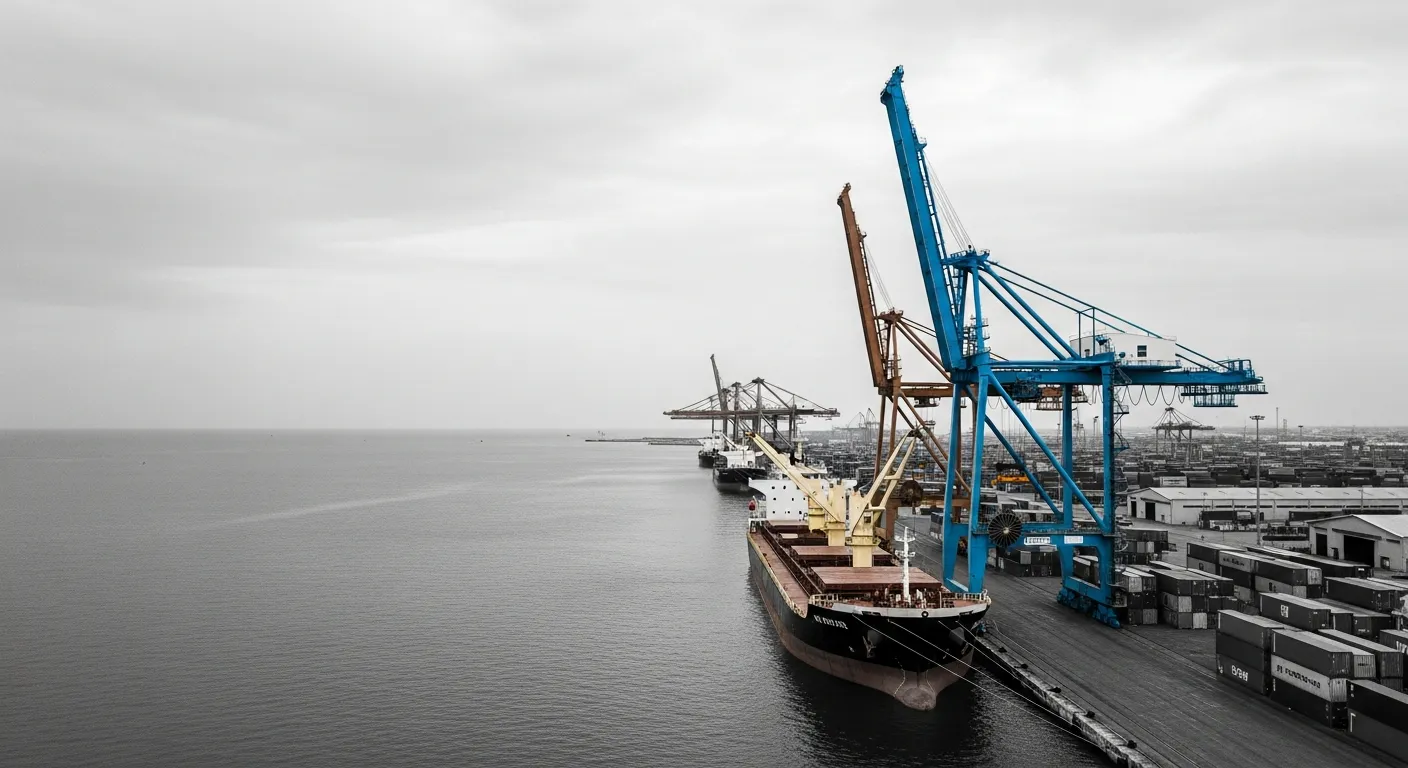
Cameroon's Douala Dry Bulk Terminal: Africa's Next Major Procurement Hub (2026–28)
AD Ports Group and Africa Ports Development signed a 30-year concession on 12 February 2026 for a new dry bulk terminal at the Port of Douala, Cameroon. Phase one construction runs 2026–28, targeting 4 million tonnes annual capacity. For ship suppliers, chandlers and logistics providers across Centr
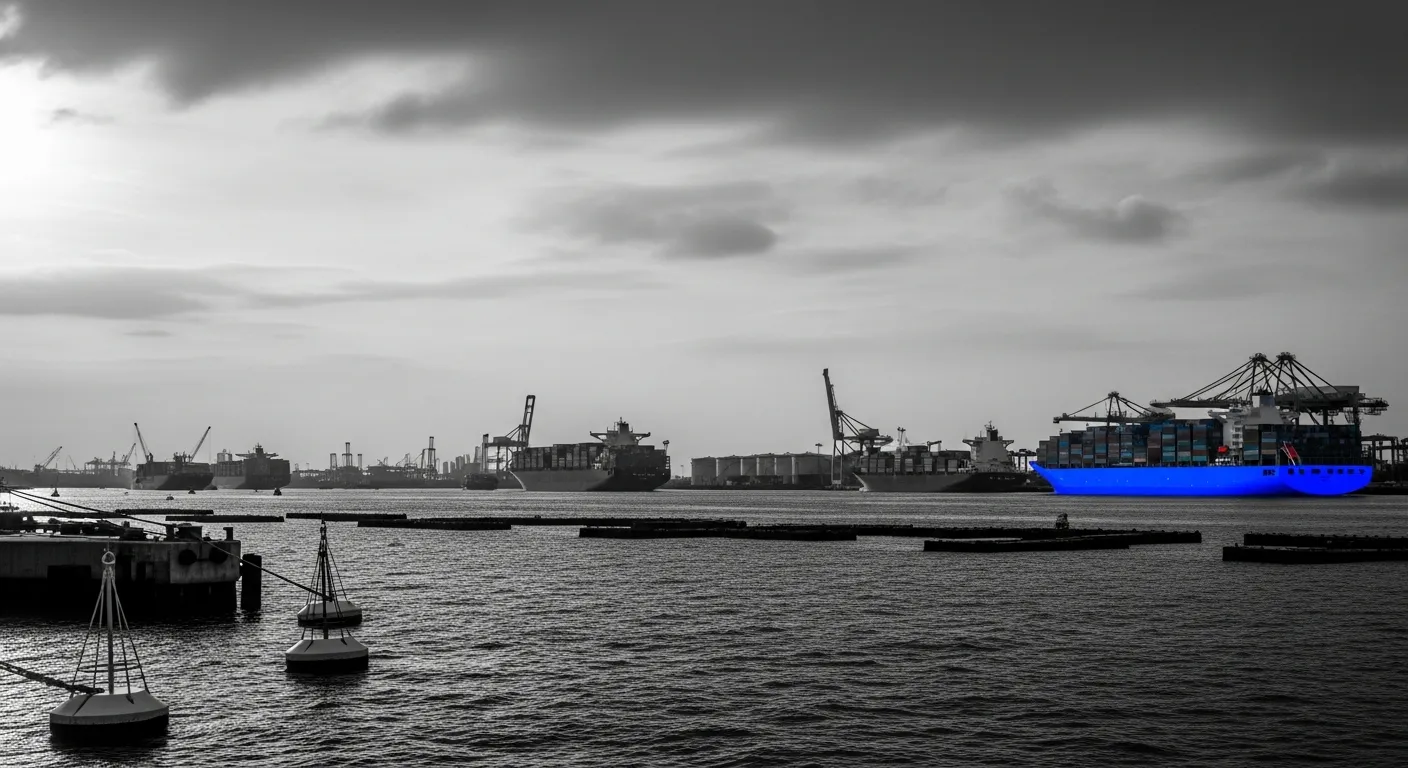
Bunker Lead-Time Crunch Across Asia & Singapore: Strategic Procurement Retiming Imperative for Q3 2026
Singapore's bunker market tightened sharply in early August 2026, with VLSFO lead times stretching to 12–24 days and fuel oil inventories remaining 15–20% below pre-conflict levels. The root cause: renewed US–Iran hostilities disrupting traffic through the Strait of Hormuz, limiting cargo inflows to