
Advertisement
Your banner here
News

Dual-Route Bottleneck: Suez–Cape Squeeze Tightens Bunker Procurement and Peak-Season Spot Rates in August 2026
Container carriers are caught between two strategies in August 2026: cautiously resuming Red Sea transits via Suez whilst simultaneously maintaining backup routes around the Cape of Good Hope. This dual-route hedging has created a compounding capacity crunch that is shrinking bunker procurement wind
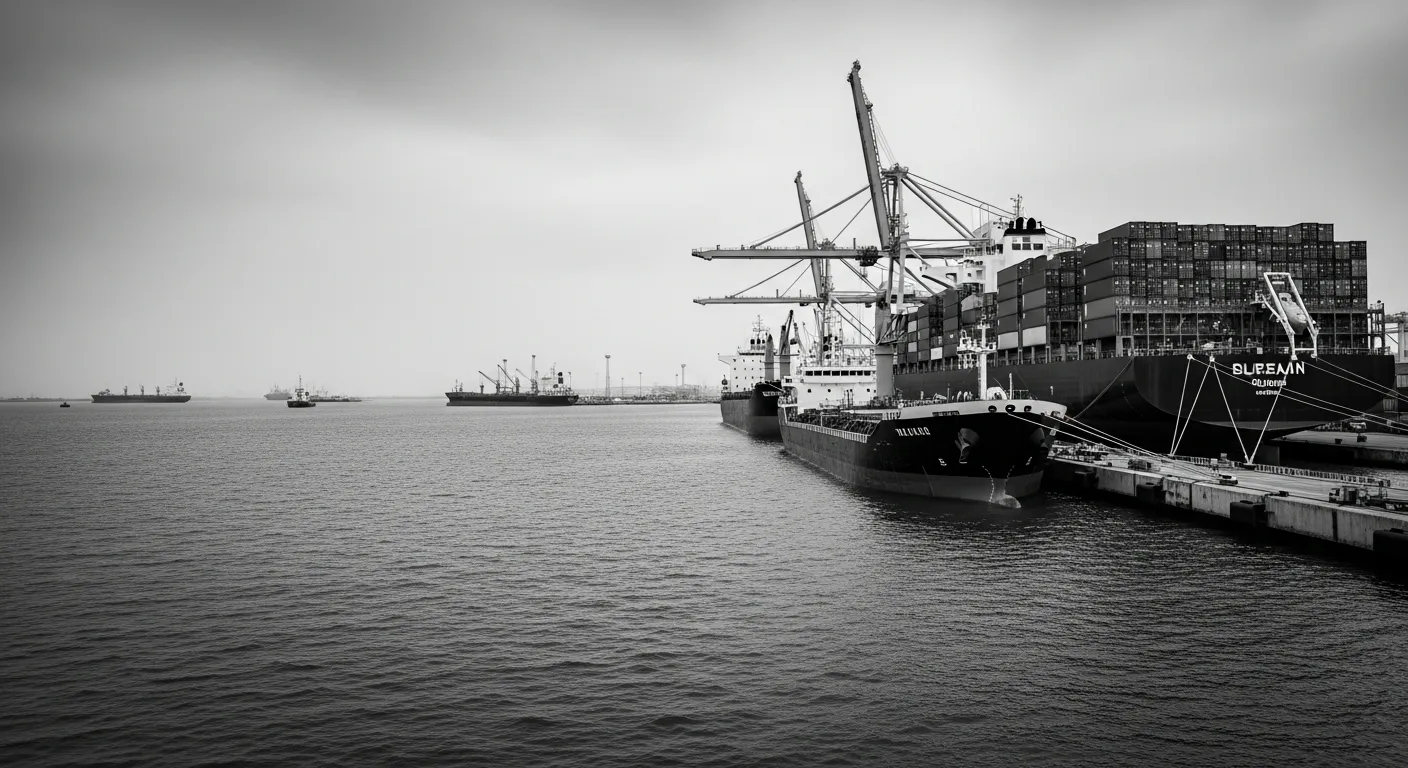
Gulf Bunker Surpluses in a 60-Day Hormuz Window: Lock Spot Deals or Hedge Long-Term?
The 60-day US-Iran ceasefire memorandum signed 17 June 2026 has reopened the Strait of Hormuz and created a narrow window of temporary bunker oversupply across Gulf ports. For the first time in months, buyers can capitalise on favourable spot pricing while traditional supply hubs in Africa and Singa
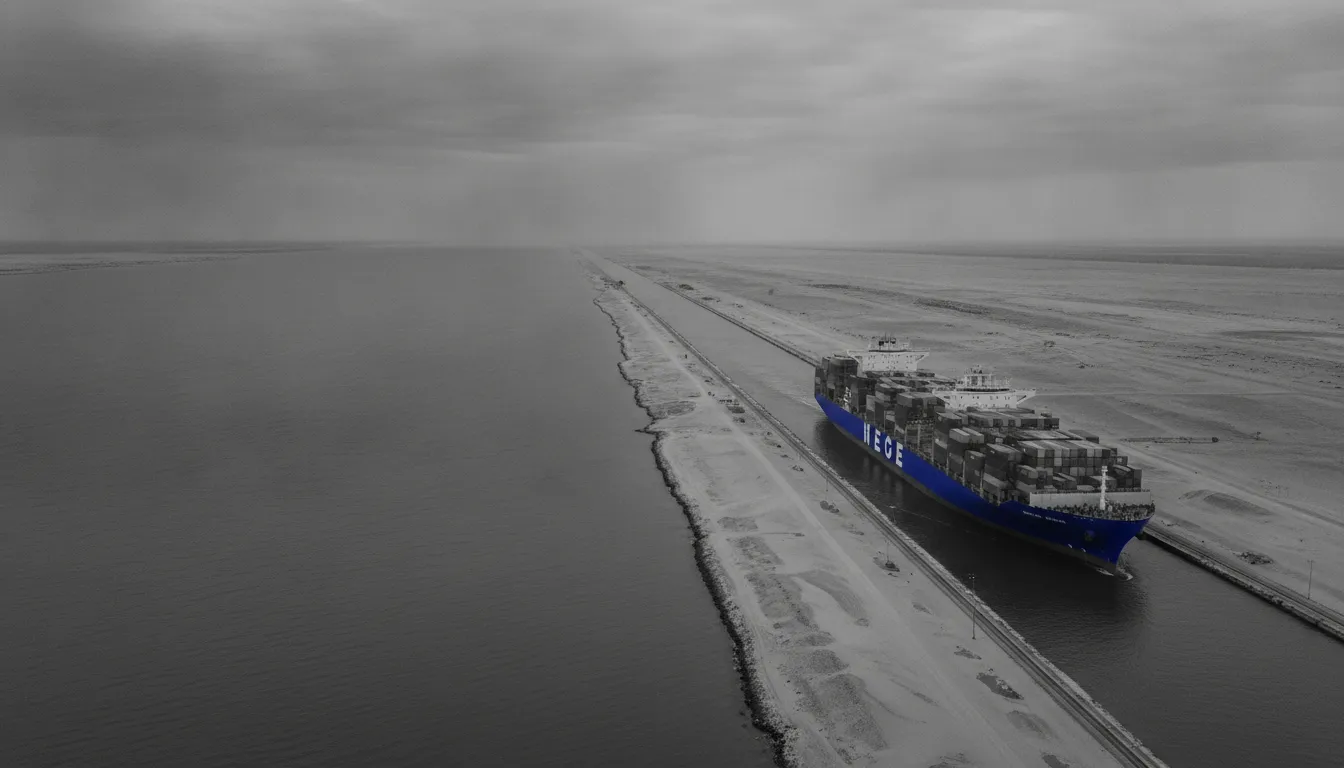
Suez Return Acceleration: 753K TEU/week Reshapes Bunker Lead Times and Route Economics
For the first time since Houthi attacks disrupted the Red Sea in late 2023, Suez Canal transits have exceeded 50 per cent of pre-crisis levels. Clarksons Research data shows weekly container ship capacity averaged 753,000 TEU during the first two weeks of October 2026—up from just 141,000 TEU per we

Carriers Bet on Houthi Risk: Red Sea Rate Recovery & Supply Chain Fragmentation in Q4 2026
As summer 2026 closes, container carriers are cautiously increasing Red Sea transits despite renewed Houthi drone and missile attacks. Freight rates on Asia–Europe and Asia–US East Coast corridors are climbing steeply—rising ~9% in recent weeks as carriers gamble on corridor stability improving by a
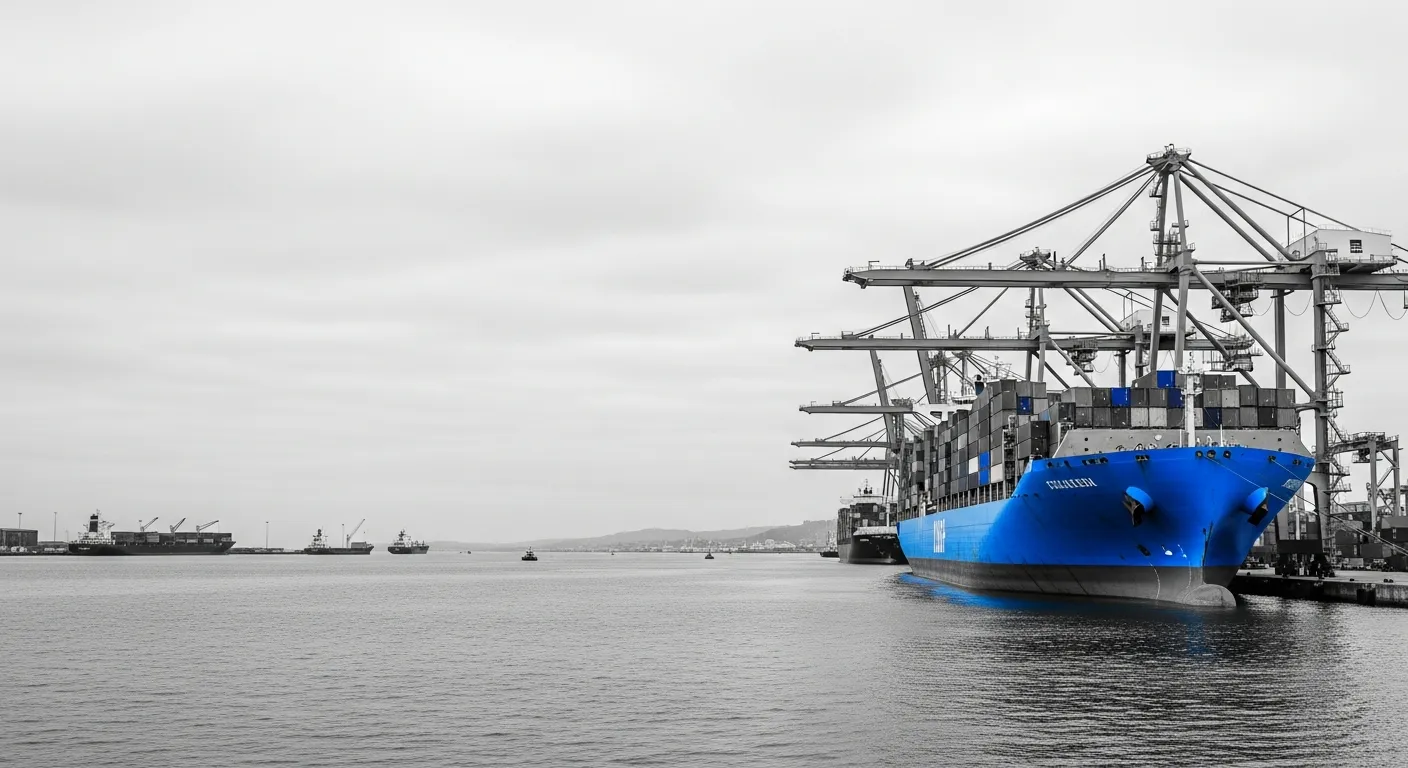
Durban's Transshipment Pivot: Regional Feeder Networks and Cargo Diversification as a Resilience Strategy
Durban is repositioning itself as a major African transshipment hub and not merely a destination port competing on throughput alone. The port's strategic shift—reinforced by private terminal investment, inland logistics corridors, and recovery from June 2026 landside disruptions—centres on capturing
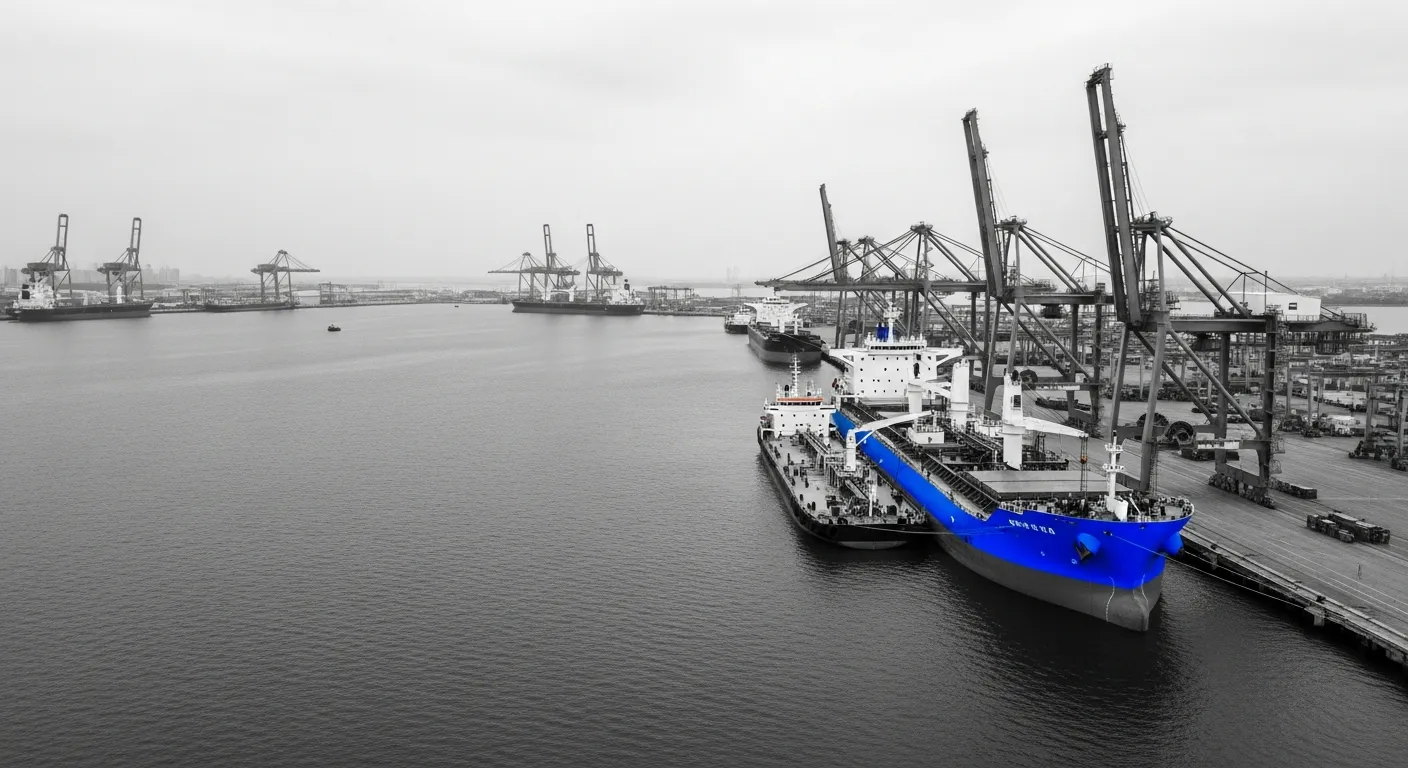
Hormuz Ceasefire Fragile: Bunker Costs Remain Fragmented, Operators Pivot to Asian Hubs
On 17 June 2026, Trump and Iranian President Masoud Pezeshkian signed a 14-point memorandum of understanding to extend a 60-day ceasefire, pledging to reopen the Strait of Hormuz and lift naval blockades. Yet a month into the deal, vessel transit remains fractional, industry costs soar, and bunker s