
Advertisement
Your banner here
News
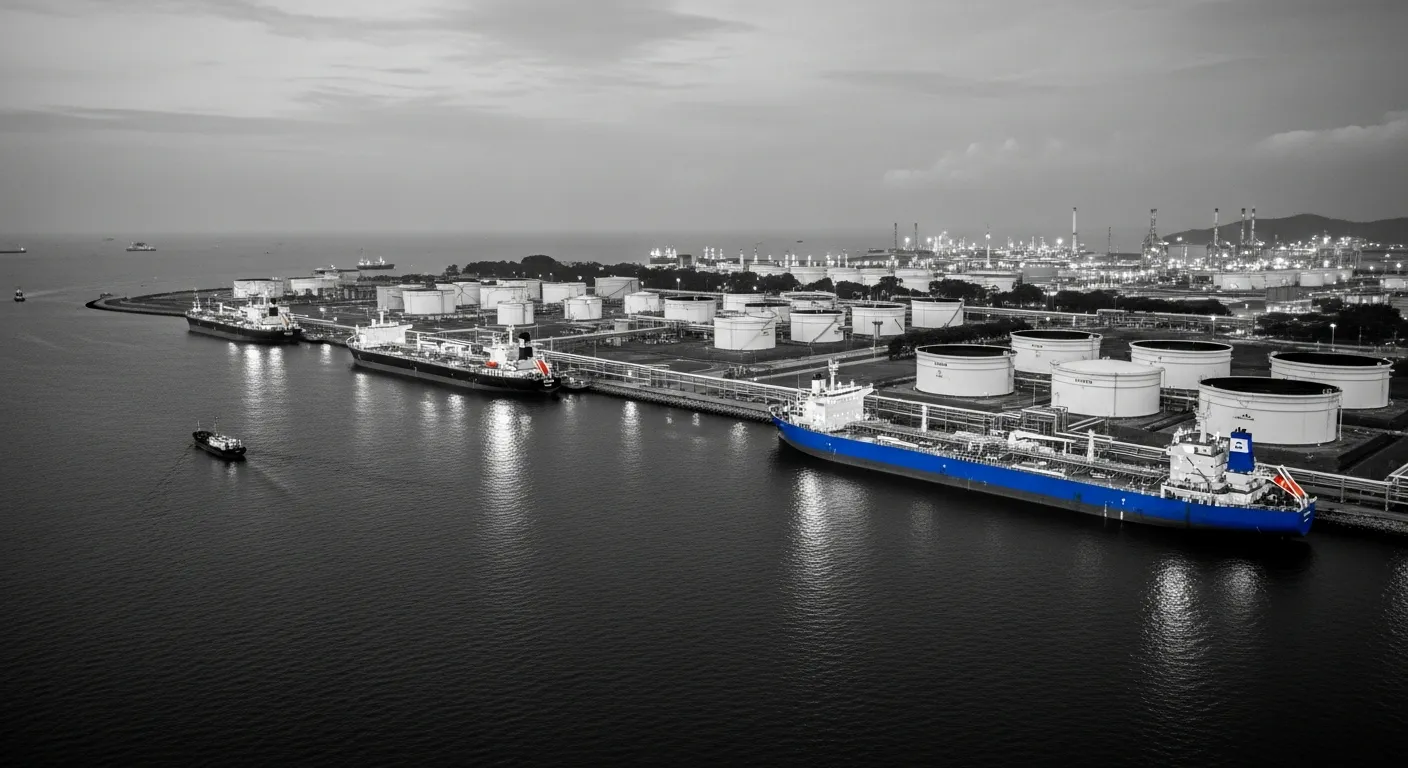
VLSFO Crunch Across Asia: Singapore at Multi-Year Lows, Japan in Lockdown, Indonesia the Contrarian Play
Asia's VLSFO market has contracted sharply in July 2026, with Singapore facing 15–18 day lead times and multi-year inventory lows, while Japanese ports battle severe allocations squeeze and Fujairah remains constrained by Middle East volatility. Buyers must secure spot deals now: Indonesia's 2–3 day
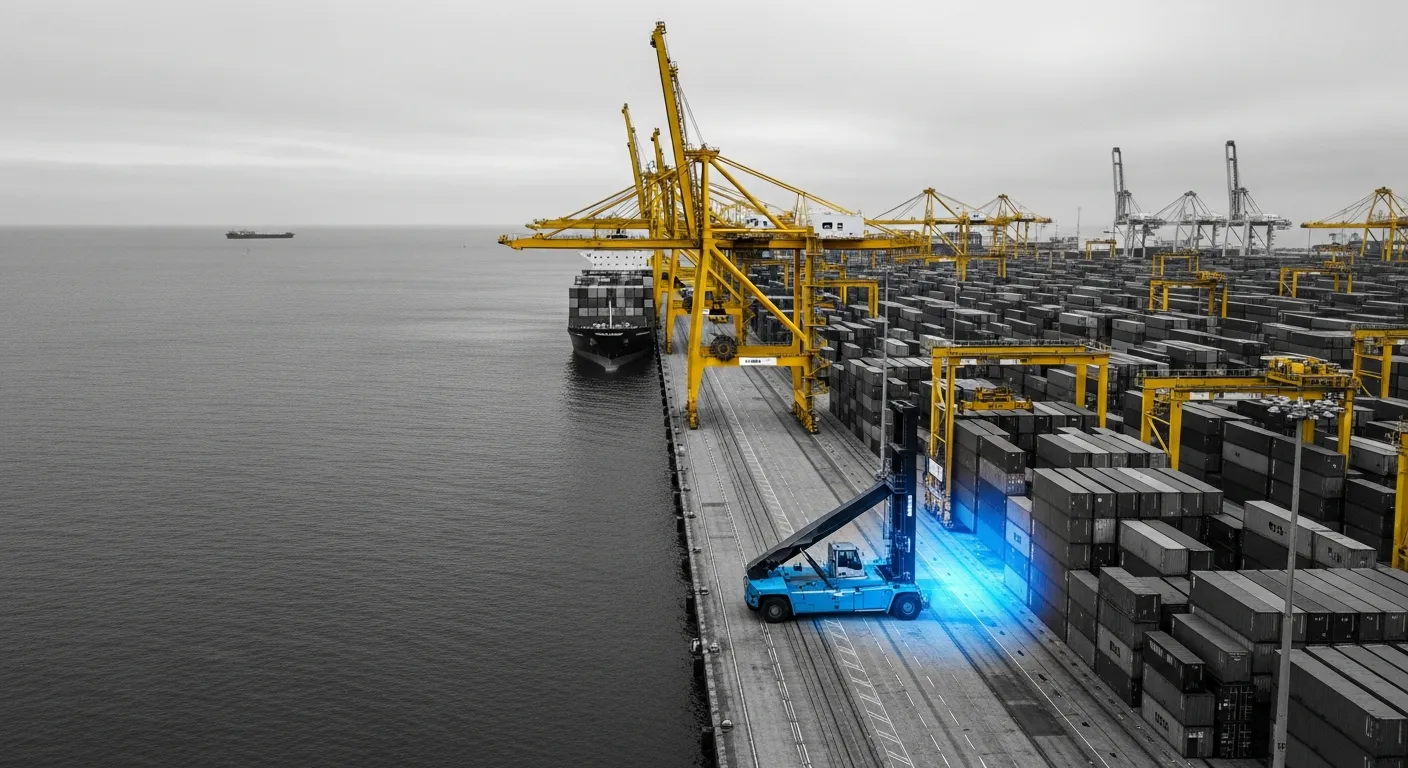
South Africa's Dual Port Race: 28 RTGs and Hybrid Straddles Transform Cape Town While Durban's Private Concession Hits 28 Moves Per Hour
South Africa's container terminals are undergoing a decisive modernisation drive. Cape Town Container Terminal has deployed four hybrid straddle carriers and is receiving 28 new rubber-tyred gantry cranes by June 2026, whilst Durban Container Terminal Pier 2's new private partnership with ICTSI has
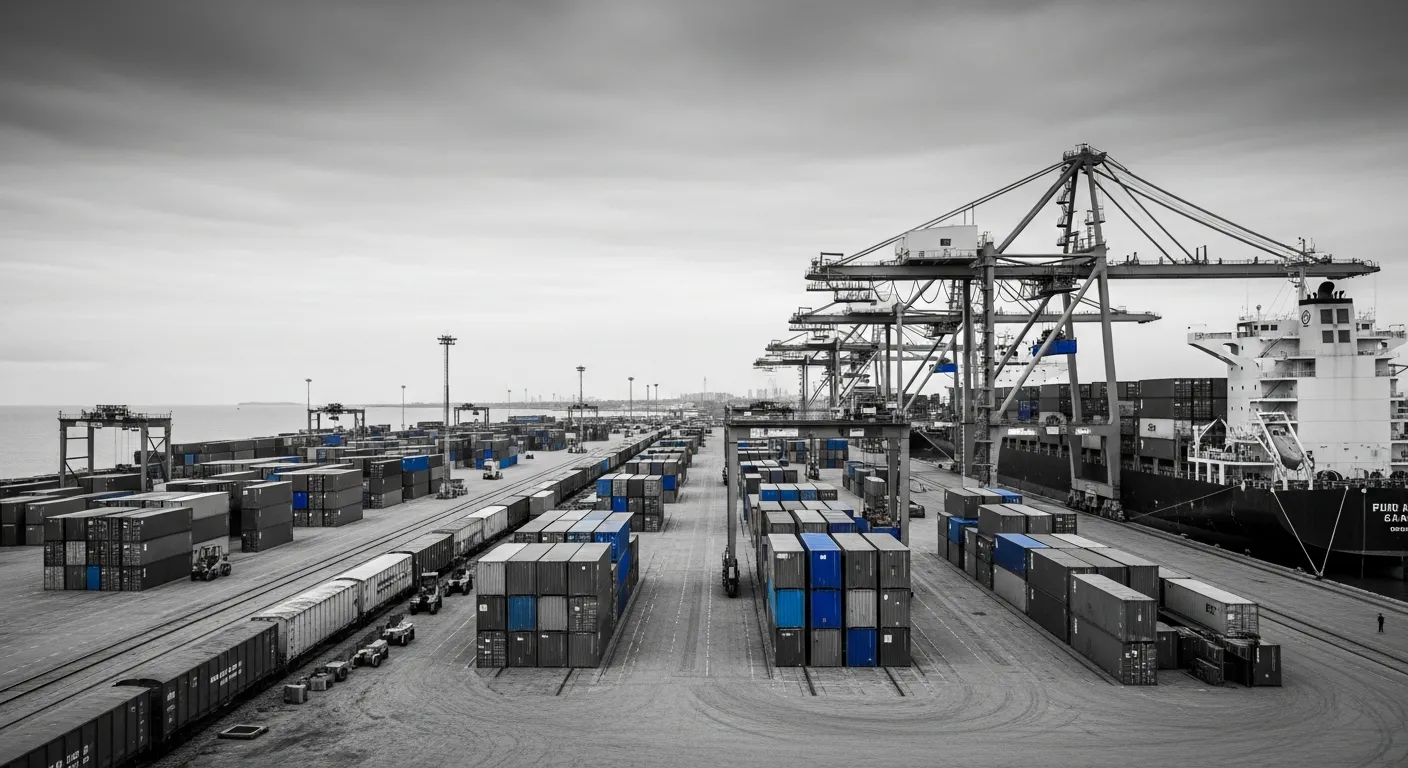
Dar es Salaam Port's 54.6M-Tonne Ambition: Container Boom, Inland Logistics, and Regional Procurement Surge
Tanzania's Dar es Salaam Port has achieved record cargo throughput of 27.7 million tonnes in the 2024–25 financial year, and the Tanzania Ports Authority has now set an ambitious target of 54.6 million tonnes by 2030–31. Between July 2025 and April 2026, container traffic surged 25 per cent to 1,084
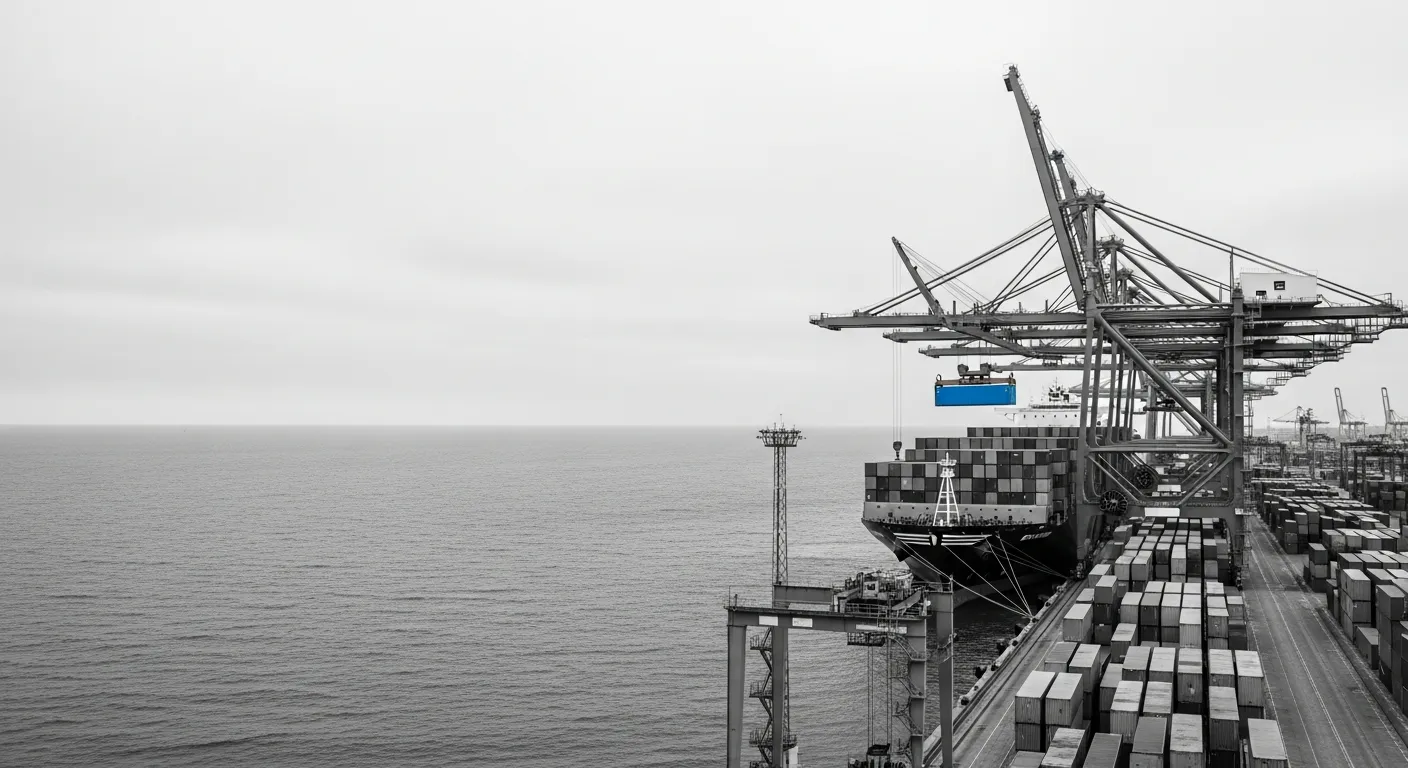
West & Central Africa's $27B Port Boom: Terminal Expansion & Supply Chain Gateways
West and Central African ports are attracting unprecedented maritime investment. Over $27 billion in strategic infrastructure is now underway across the region—from Nigeria's Lekki Deep Sea Port (handling 40.6% of national cargo) to Ghana's Tema Terminal 3 (3.5m TEU capacity) and Cameroon's new Doua
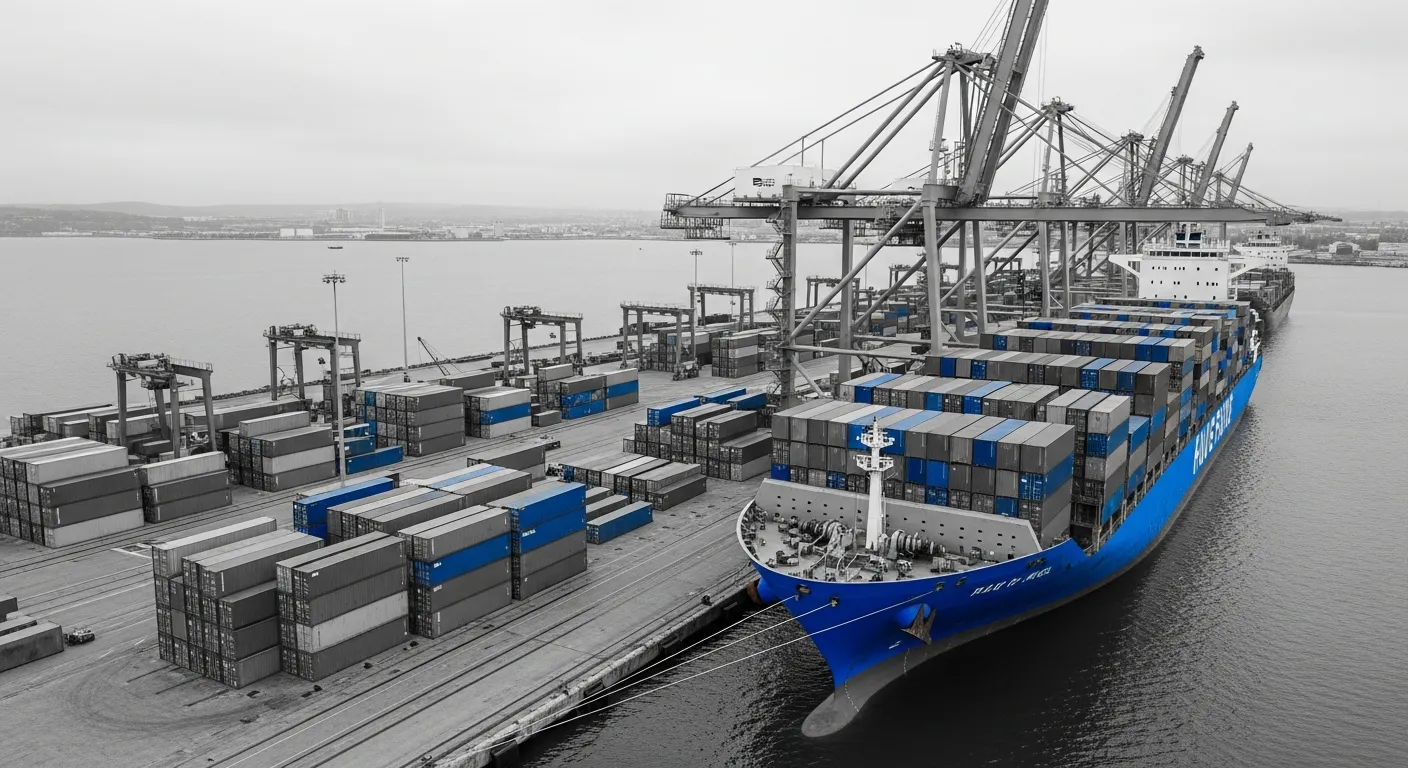
SOLAS 2026 Compliance Storm: Container Loss Reporting, Lifting Appliances, and PSC Scrutiny Converge on Ship Operations
Three seismic SOLAS amendments entered force on 1 January 2026, triggering a simultaneous compliance bottleneck that is reshaping maritime operations. Mandatory container loss reporting (under MSC.550(108)), new lifting appliance statutory control (MSC.532(107)), and mandatory electronic inclinomete
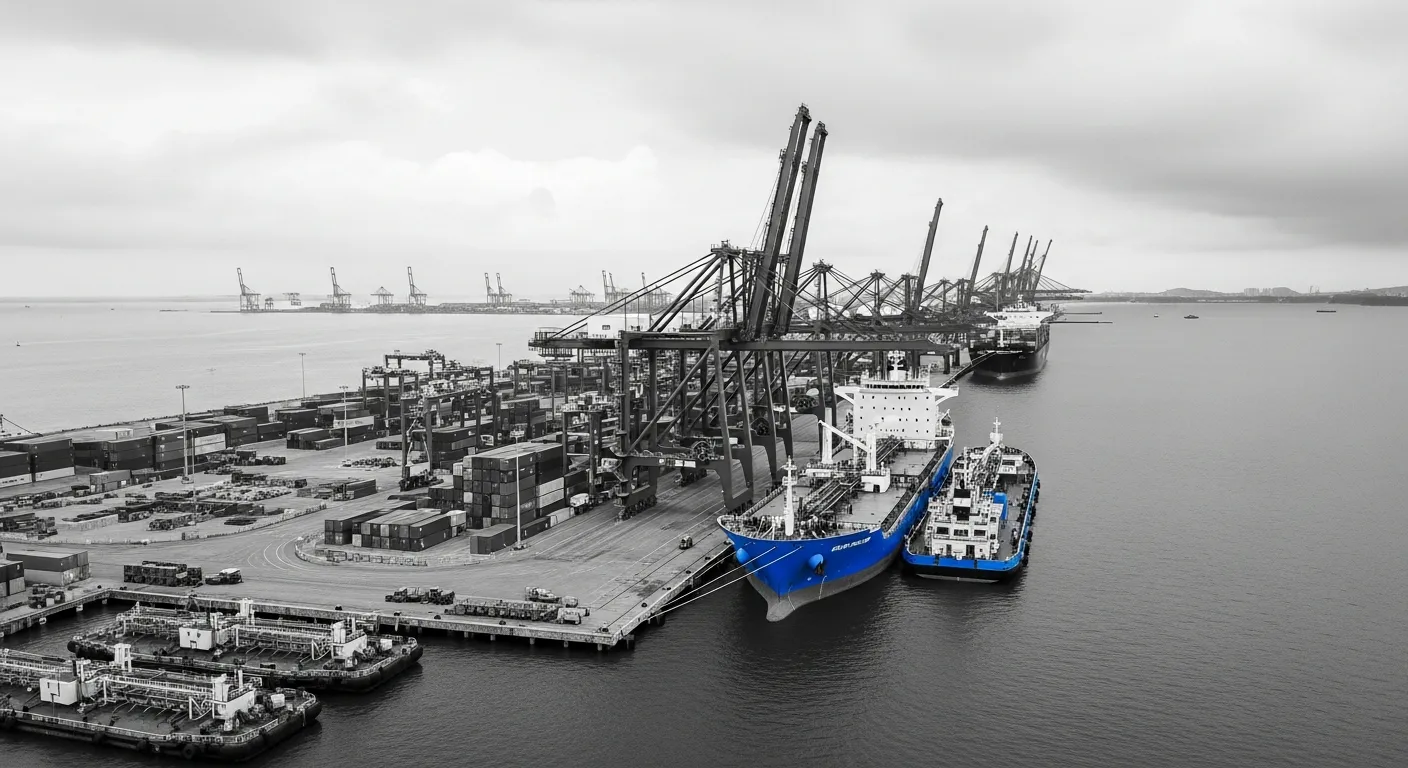
Global Bunker Supply Tightens to 5–18 Day Lead Times: Strategic Procurement and Regional Diversification Now Essential
A perfect storm of supply disruptions—Iran-Israel conflict closing the Strait of Hormuz, China's refined-fuel export curbs, and refinery cut-backs in Japan and Europe—has extended bunker delivery lead times to 5–18 days globally, with acute shortages in Singapore, Japan, and Western Australia compre
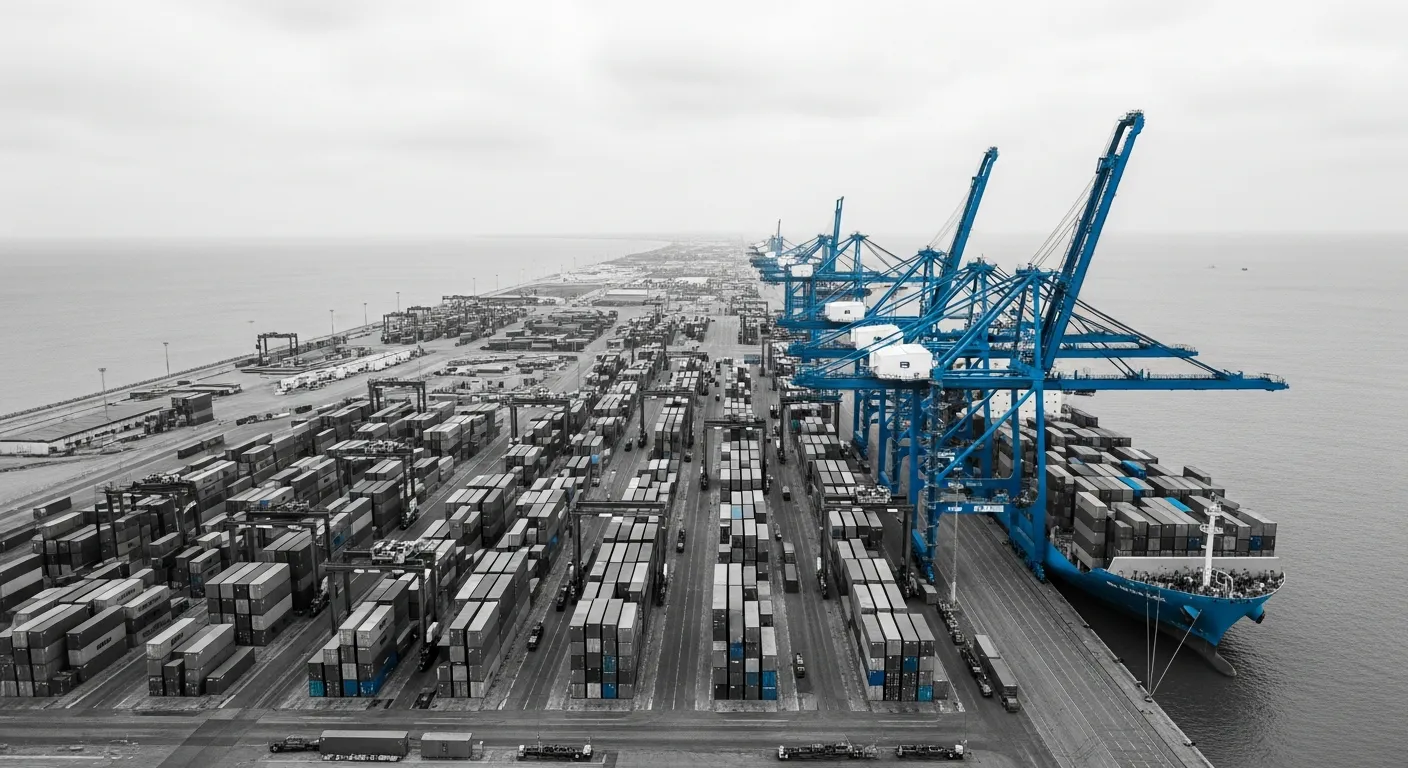
Terminal 3's Authority Trap: How Privatised Efficiency Shrinks Institutional Space for West African Suppliers
Ghana's Tema Port Terminal 3 expansion—tripling container capacity to 3.5 million TEU and now handling vessels up to 24,000 containers—marks a watershed in West African port governance. The terminal, run by Meridian Port Services (MPS), a joint venture between the Ghana Ports and Harbours Authority
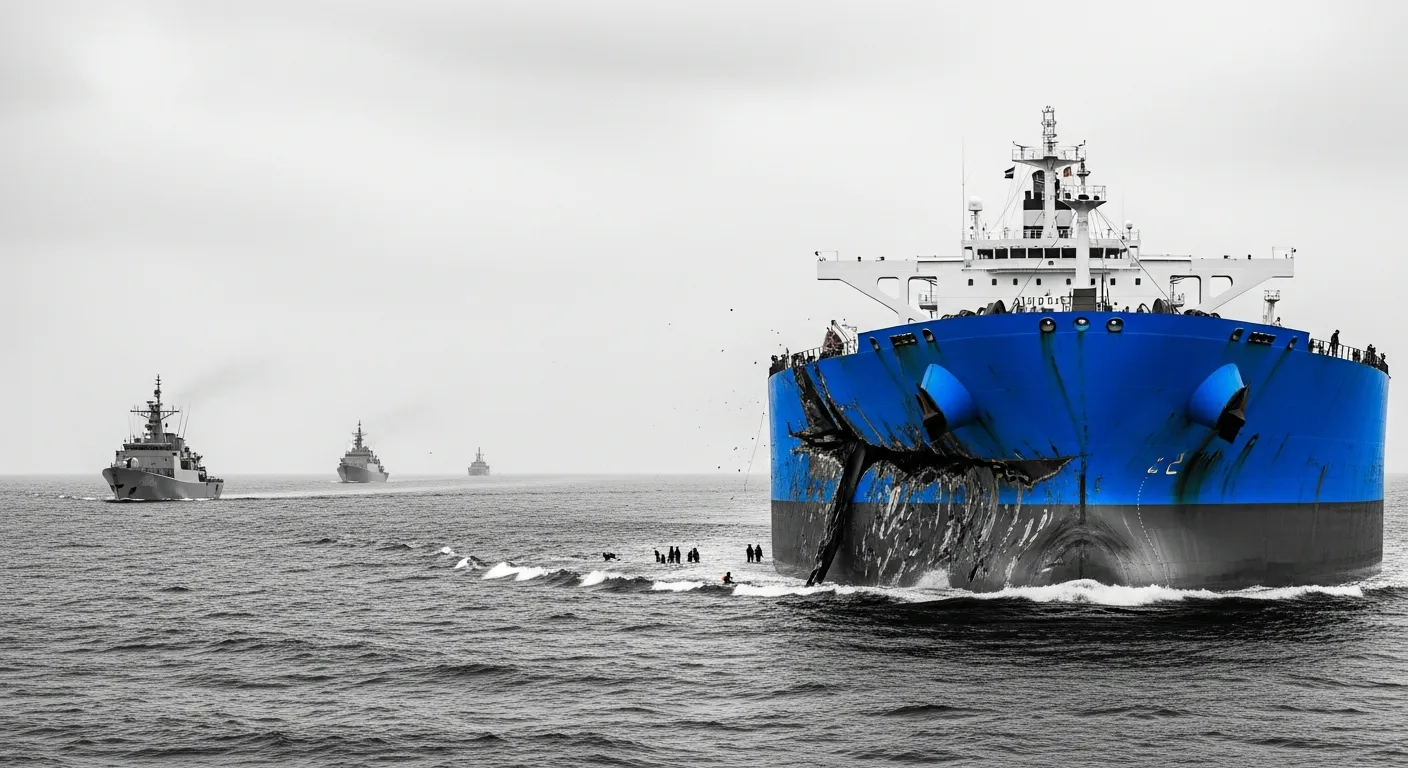
Strait of Hormuz War-Risk Restart: July 2026 Missile Attacks Shatter Ceasefire, Force Emergency Bunker Diversification
On 6–7 July, Iran's Islamic Revolutionary Guard Corps fired missiles at three commercial vessels transiting the Strait of Hormuz, shattering a 60-day ceasefire window signed just three weeks earlier. The attacks breached the Islamabad Memorandum of 17 June and prompted immediate US retaliation. For
UK ETS Launch & EU ETS 100%: The July 2026 Compliance Blitz Reshaping Ship Supply & Bunker Procurement
From 1 July 2026, the UK Emissions Trading Scheme expands to domestic maritime. Simultaneously, the EU ETS reaches 100% phase-in, moving from 70% coverage in 2025. For ship suppliers, bunker brokers and vessel operators, this creates a dual-market compliance crisis: separate allowance costs, diverge
African Port Cascades: How Abidjan's 8.6-Day Waits and Dar es Salaam's Growth Are Reshaping Procurement Timelines
West Africa's busiest container hubs face persistent congestion whilst East African traffic diverts to faster gateways, creating a complex geography of port delay that ship suppliers and procurement teams must now navigate with 7–10 day lead time buffers. Abidjan's 7-day average waiting times have c
Ghana's Tema Port Terminal 3: Navigating Multinational Competition, Concession Gridlock, and Ship Supplier Challenges in West Africa
Ghana's Port of Tema has emerged as West Africa's fastest-growing container hub following the November 2025 completion of Terminal 3, which raised the port's capacity to 3.5–3.7 million TEUs annually—triple the original 800,000 TEU baseline. The $1.5 billion expansion, executed by Meridian Port Serv