
Advertisement
Your banner here
News
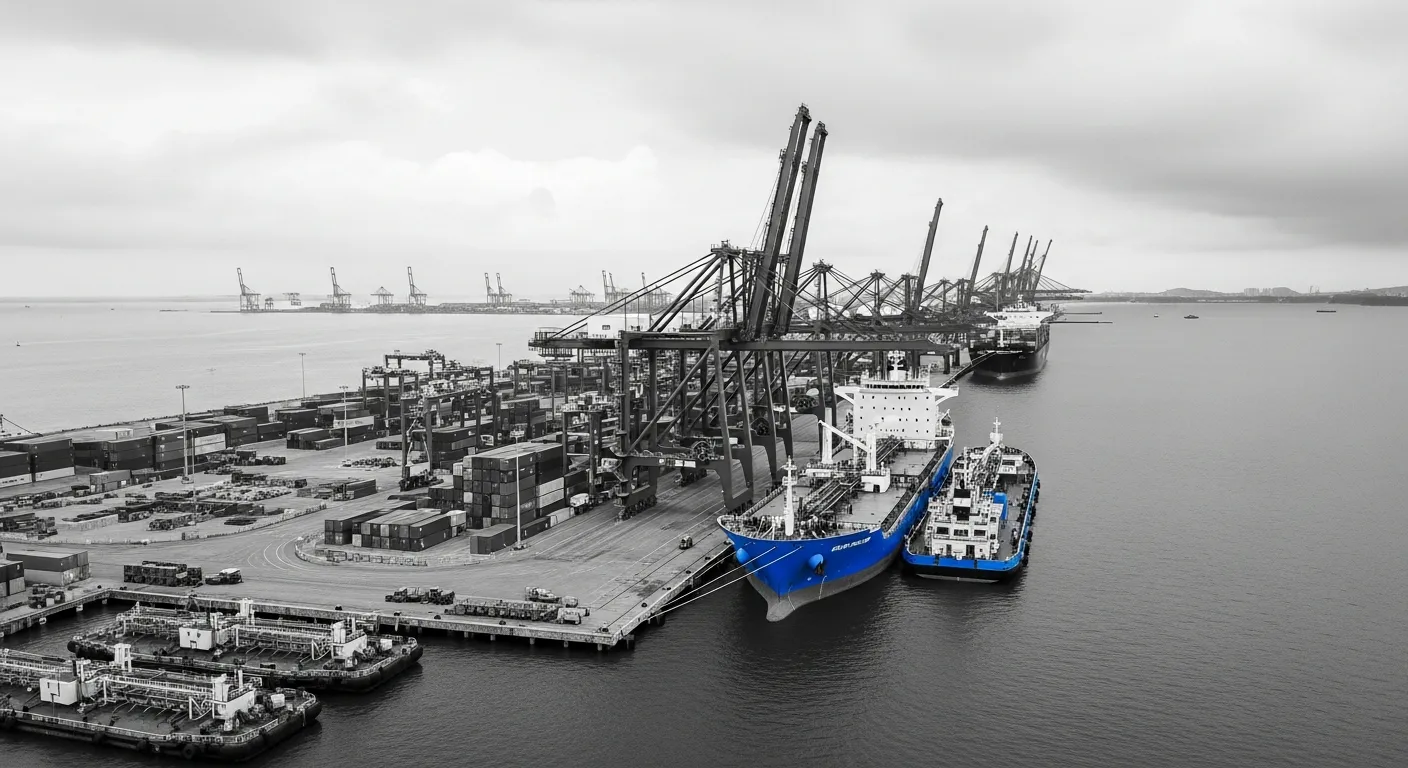
Global Bunker Supply Tightens to 5–18 Day Lead Times: Strategic Procurement and Regional Diversification Now Essential
A perfect storm of supply disruptions—Iran-Israel conflict closing the Strait of Hormuz, China's refined-fuel export curbs, and refinery cut-backs in Japan and Europe—has extended bunker delivery lead times to 5–18 days globally, with acute shortages in Singapore, Japan, and Western Australia compre
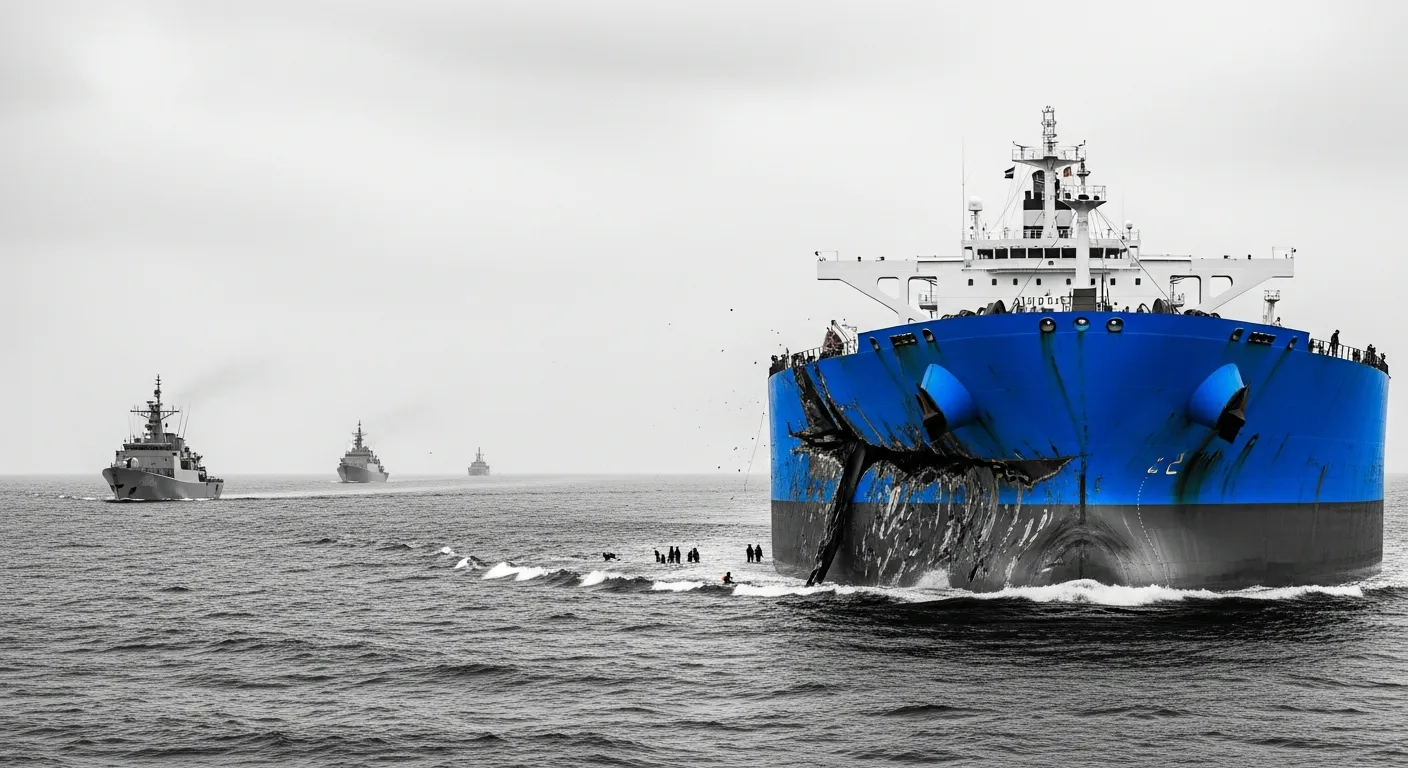
Strait of Hormuz War-Risk Restart: July 2026 Missile Attacks Shatter Ceasefire, Force Emergency Bunker Diversification
On 6–7 July, Iran's Islamic Revolutionary Guard Corps fired missiles at three commercial vessels transiting the Strait of Hormuz, shattering a 60-day ceasefire window signed just three weeks earlier. The attacks breached the Islamabad Memorandum of 17 June and prompted immediate US retaliation. For
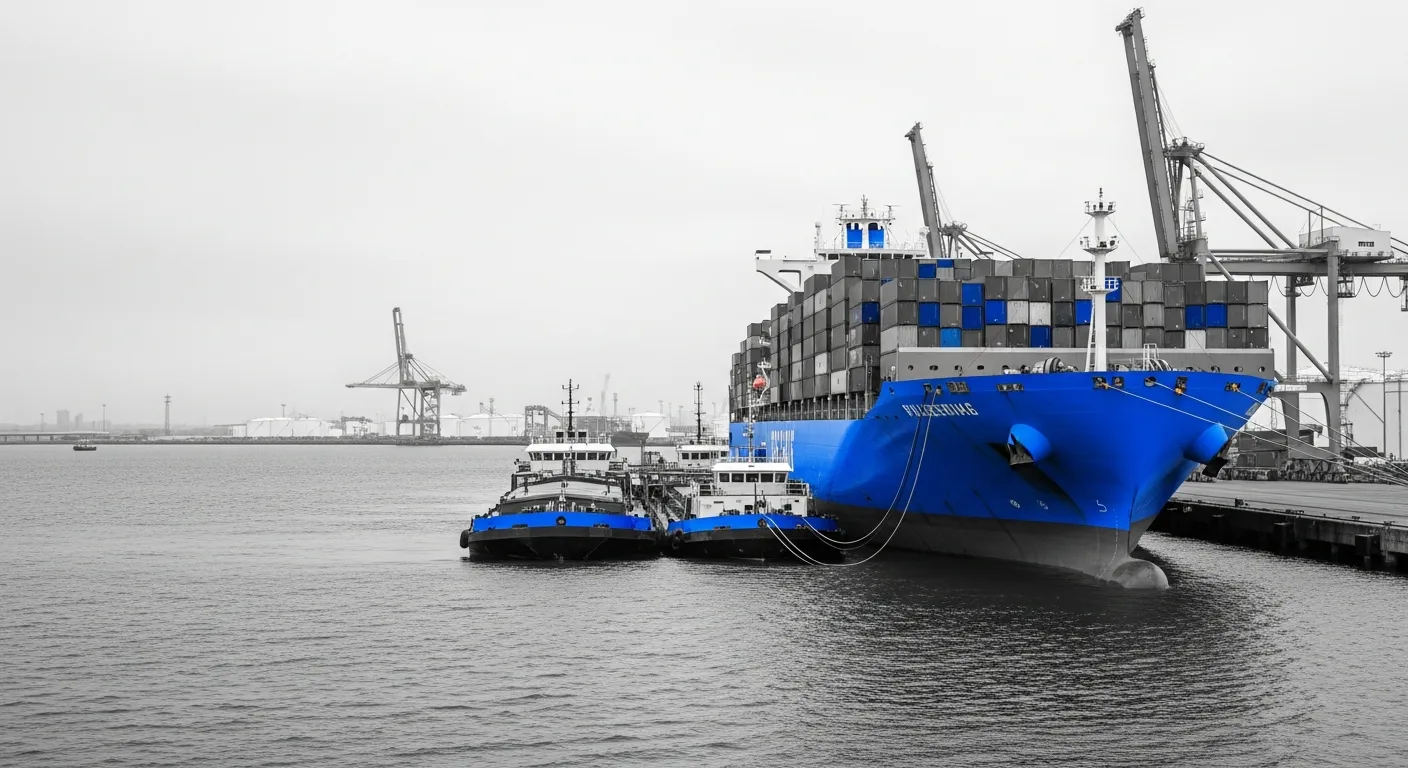
Maersk's Selective Suez Return & the Fragmentation of Bunker Demand: Why Dual-Hub Inventory Planning Matters Now
Maersk and Hapag-Lloyd's phased return to the Suez Canal through selective services—beginning with the AE15 route in July 2026 and expanding to MECL in August—marks a watershed moment for ship suppliers. As container vessels split between the Red Sea corridor and the Cape of Good Hope, bunker demand
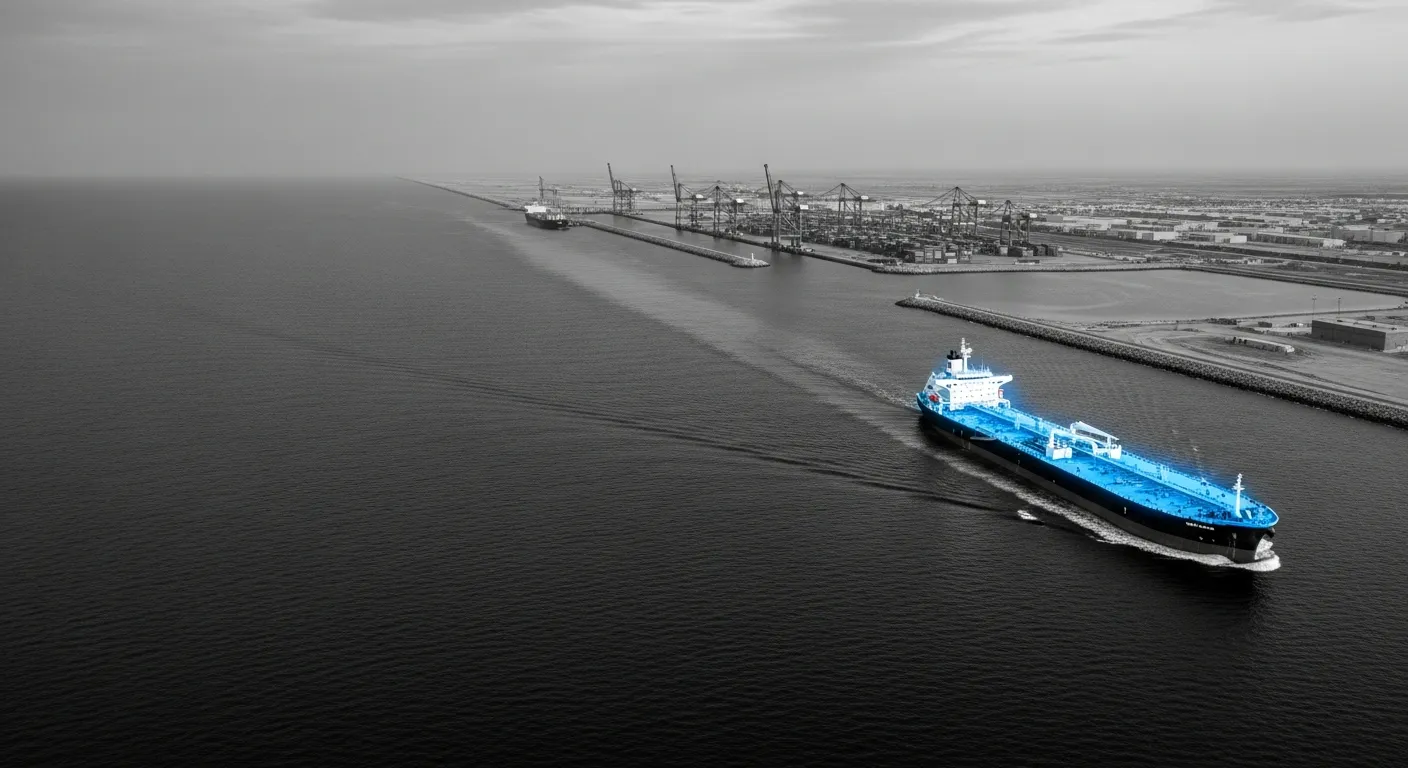
Hormuz at War: How Mid-July Missile Strikes Are Forcing Buyers to Harden Bunker Supply Chains
On 7 July 2026, Iran's Islamic Revolutionary Guard Corps fired at least two missiles at commercial vessels transiting the Strait of Hormuz, striking a Qatari LNG carrier and a Saudi crude tanker. The attacks shattered a ceasefire agreement signed less than three weeks earlier and triggered a cycle o
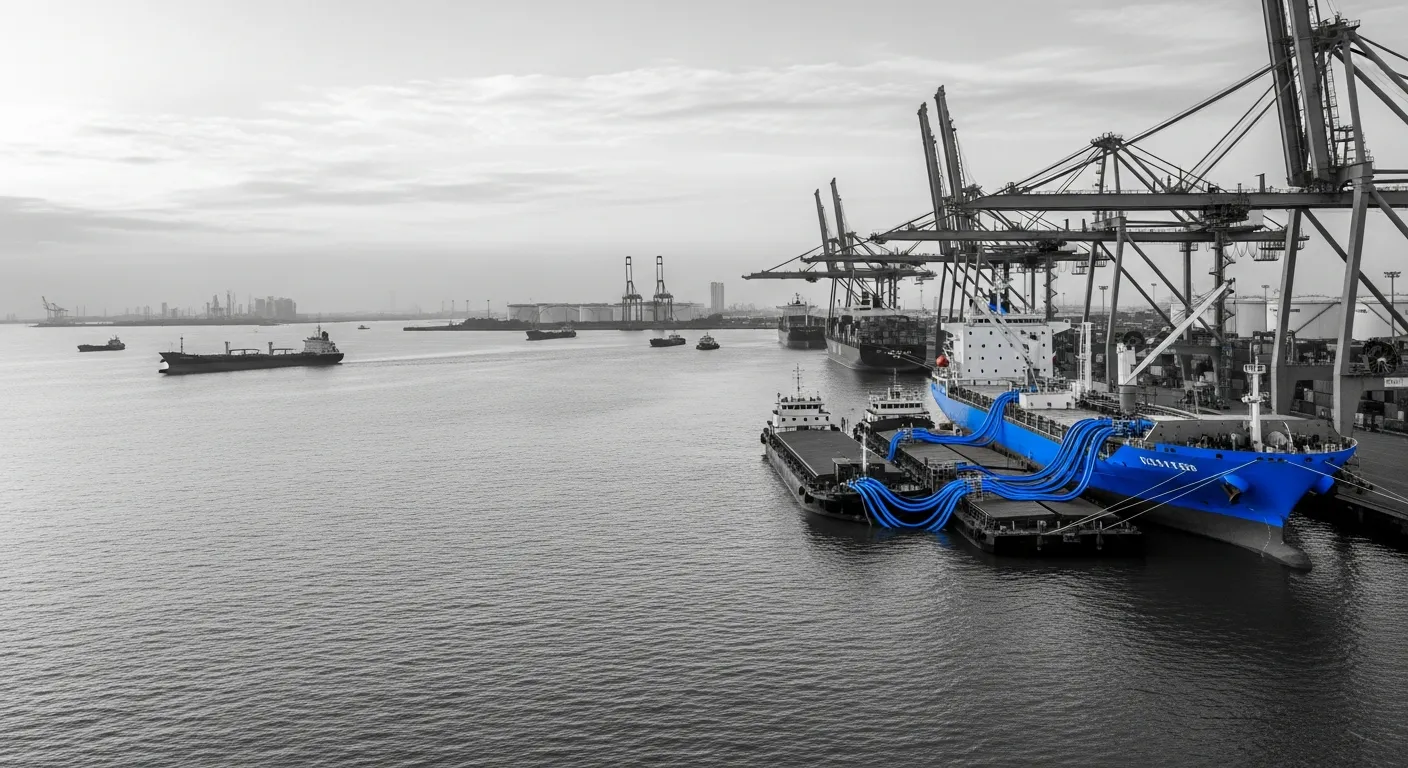
Iran War & Bunker Price Volatility: $500/ton VLSFO Gaps and Regional Hub Fragmentation Reshape Procurement Strategy
The March 2026 Strait of Hormuz closure triggered a seismic shift in marine fuel markets: VLSFO in Singapore surged from $486/tonne to over $1,000/tonne within weeks, whilst MGO hit $1,800/tonne. Fujairah and Khor Fakkan descended into supply chaos, with force majeure declarations cascading through
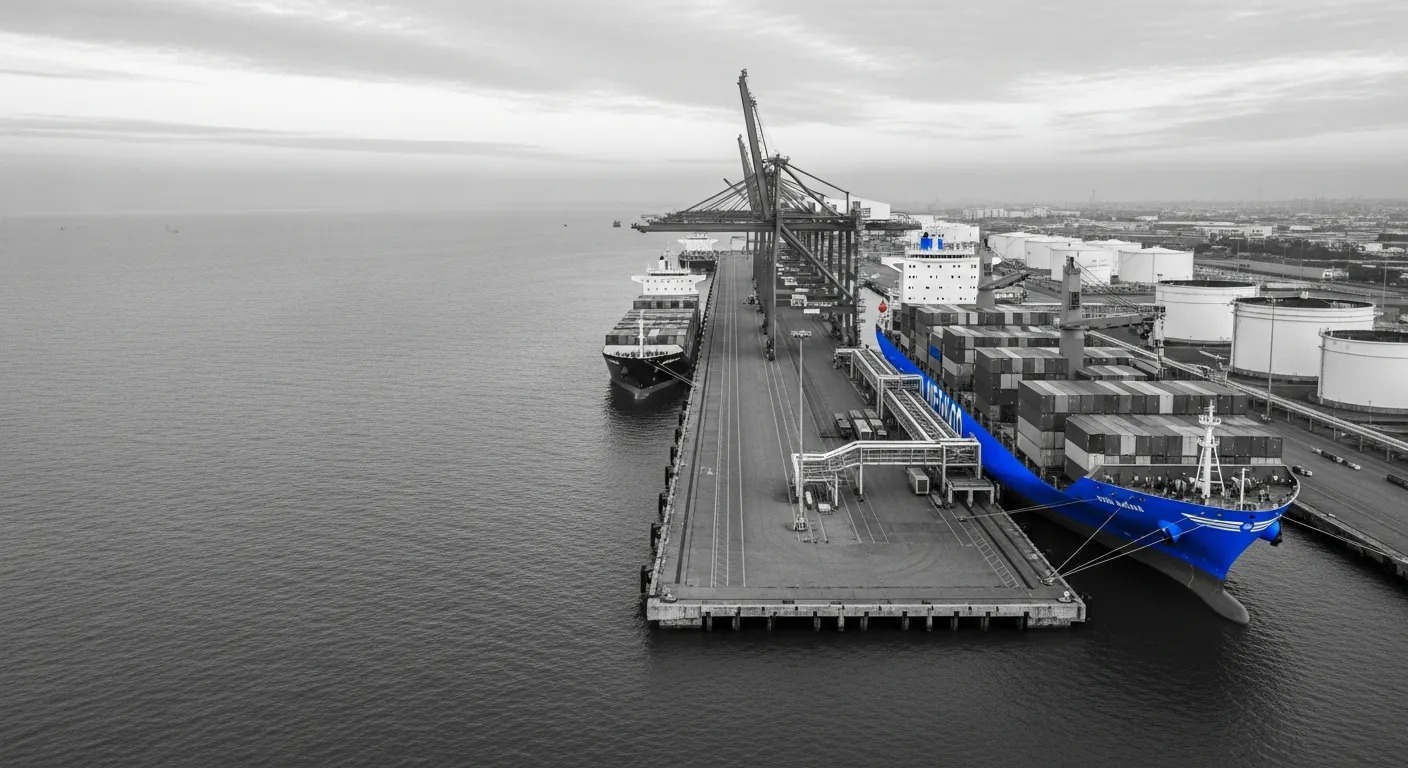
Methanol Bunkering Infrastructure Gap: 112 Vessels Outpacing 48 Ports in 2026
Methanol-capable vessels have reached 112 globally in early 2026 with approximately 300 more on order, yet only 48 ports offer operational bunkering infrastructure compared to over 200 for liquefied natural gas. This widening gap between fleet adoption and port coverage exposes a critical supply-cha
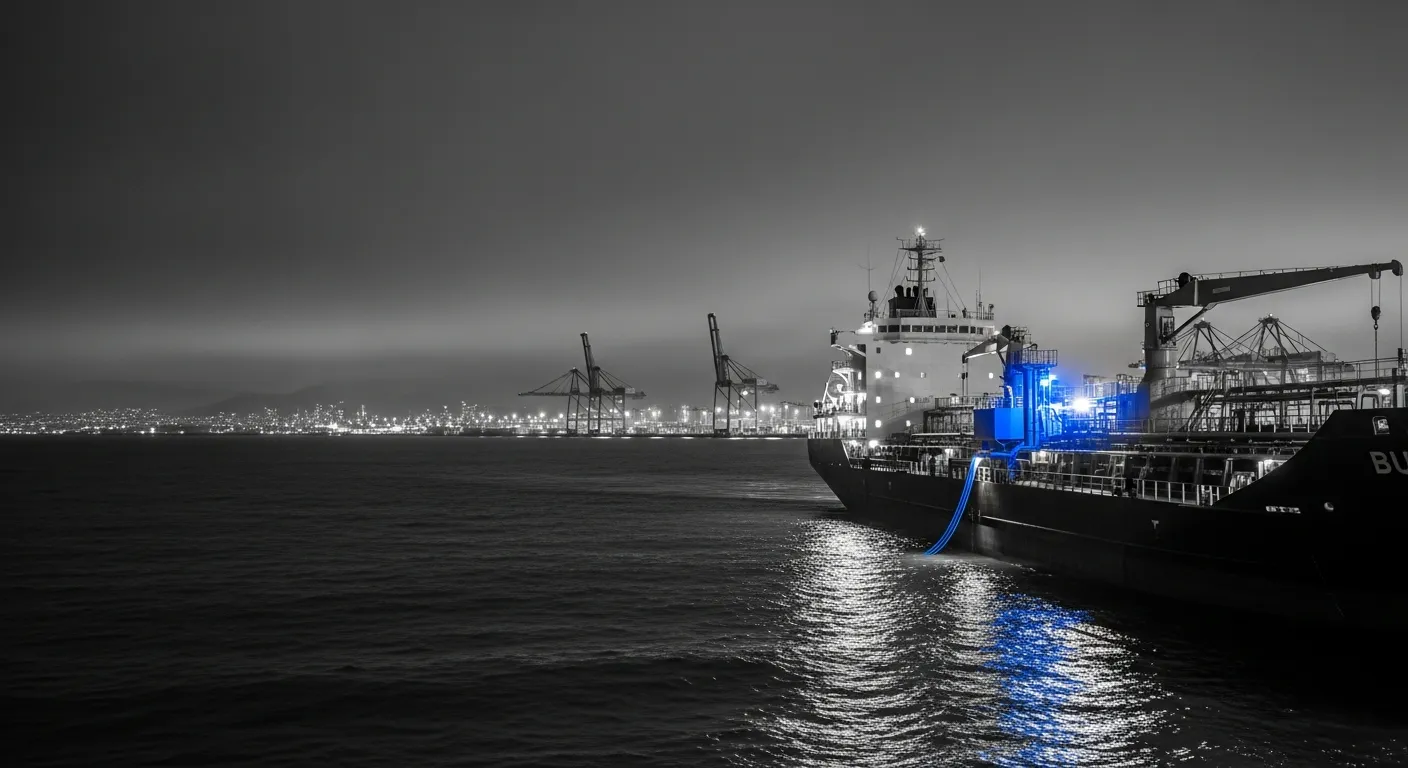
Escaping Port Delays: Offshore Bunkering as a Strategic Alternative to Cape Town and Durban Congestion
Port congestion at Cape Town and Durban has created acute supply-chain pressure for vessels navigating the Cape route. With waiting times reaching 2–3 days and reefer capacity strained during peak seasons, carriers and procurement teams are increasingly turning to offshore bunkering at anchorage and
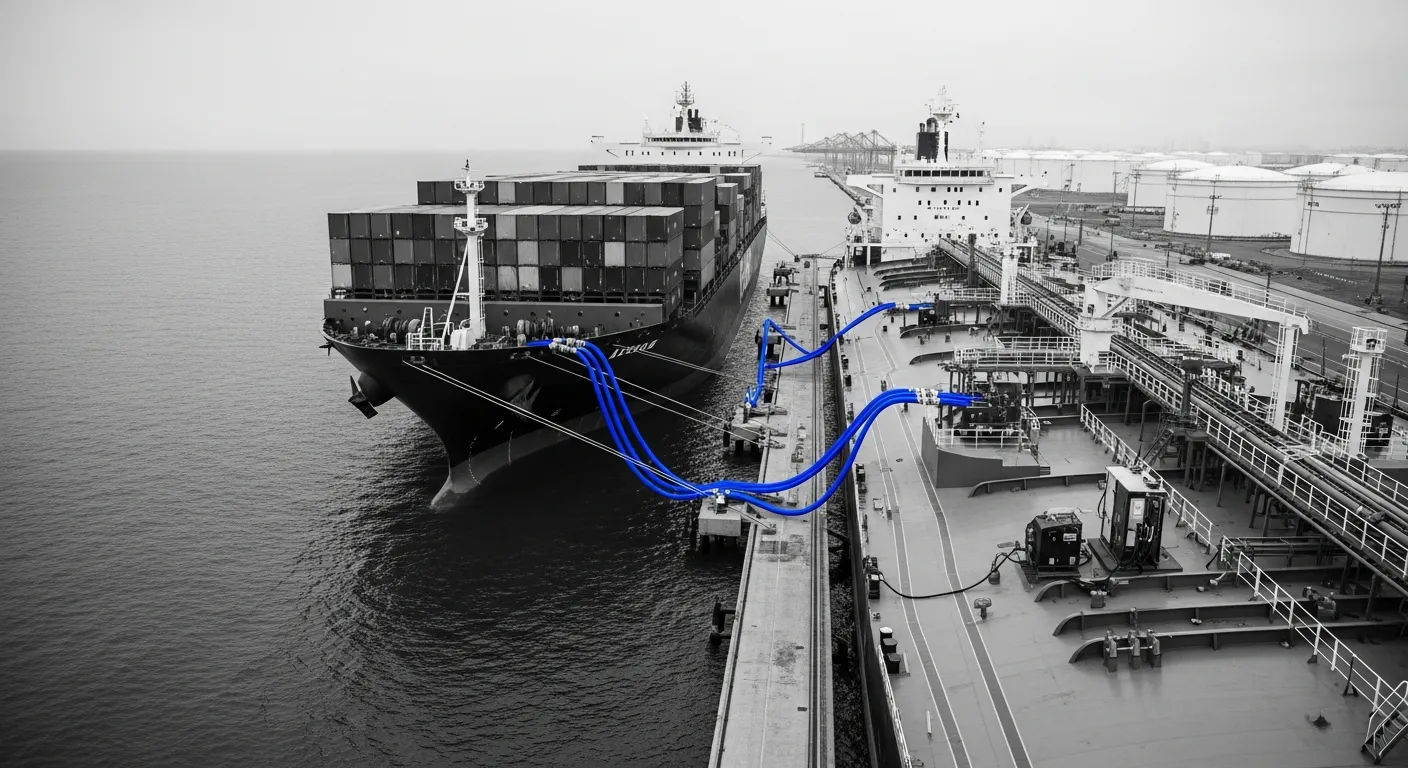
Bunker Quality Claims Spike 50% in Early 2026: Off-Spec VLSFO Drives Turmoil in Maritime Supply Chains
Maritime insurer Gard has recorded over 70 bunker-related claims between January and May 2026—a sharp 50% increase compared to the same period in 2025. Fuel quality issues account for nearly all cases, with VLSFO (very low sulphur fuel oil) dominating 85% of disputes. The spike correlates directly w
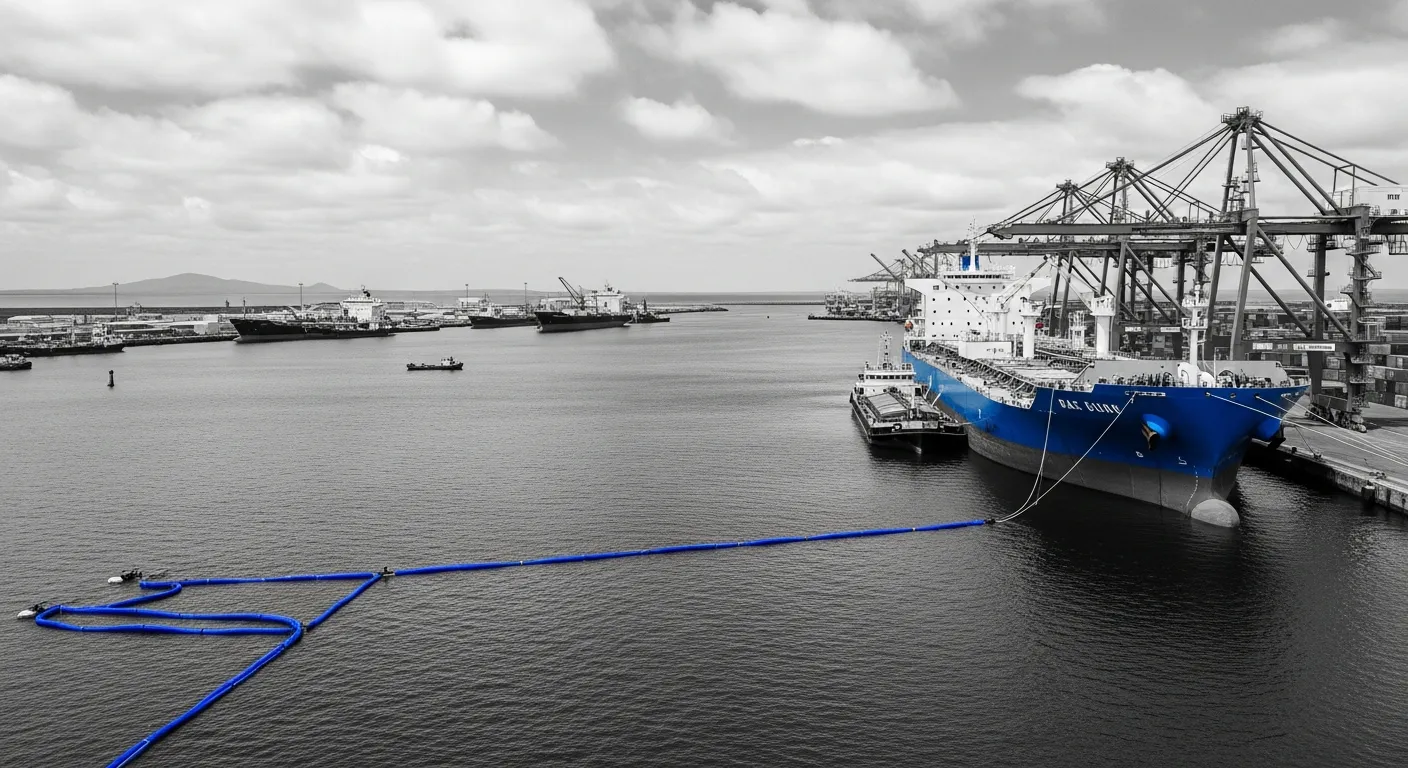
South Africa's Bunkering Gamble: Why Regulatory Breakdown Handed the Cape Route to Mauritius and Walvis Bay
South Africa's dominance along the world's busiest maritime corridor is evaporating. Monthly bunker volumes plummeted from 130,000 tonnes in 2023 to 80,000 tonnes in 2024—a 39% collapse—while geopolitical upheaval redirected fleet fuel demand to nimbler African competitors. Mauritius Port Louis near
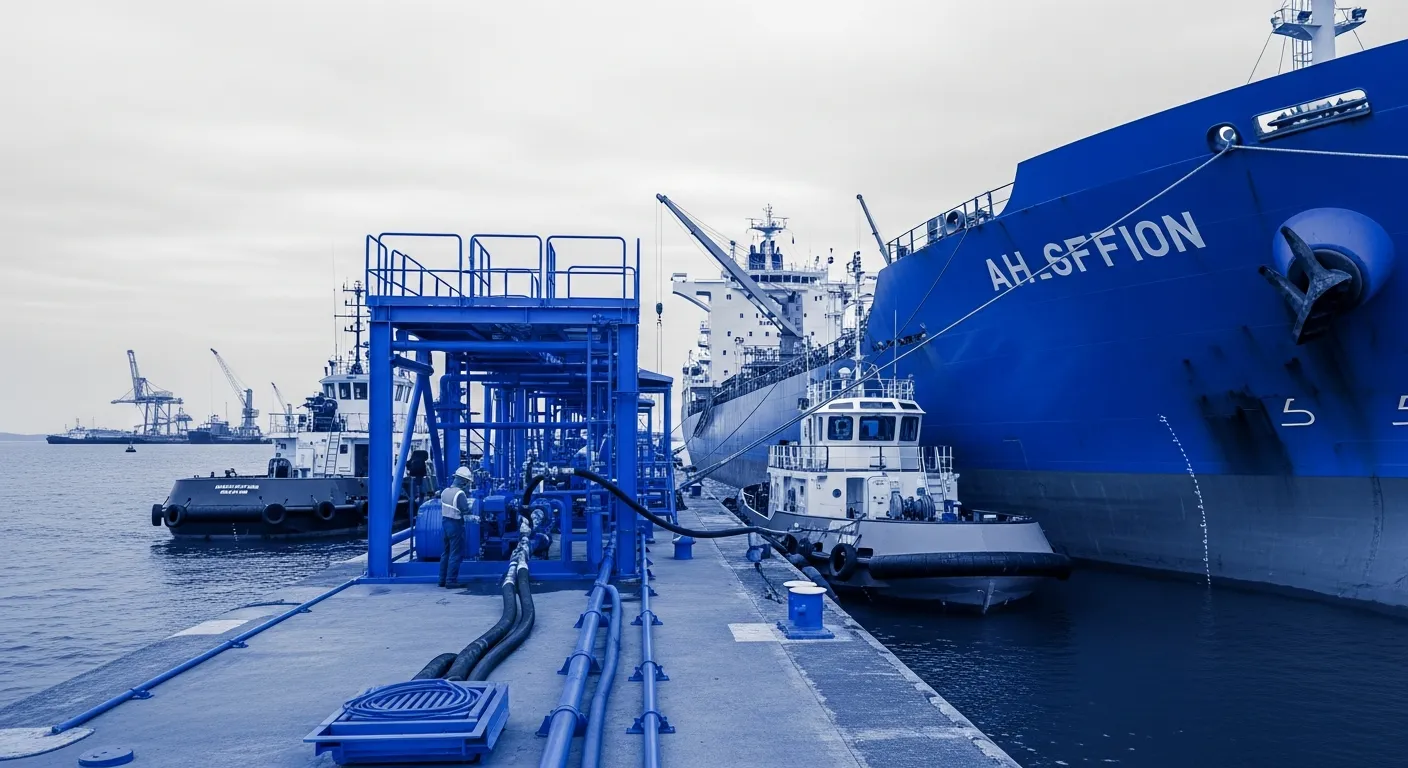
EU's 21st Sanctions Package: How Bunkering Services Face Structural Compliance Shift
On 9 June 2026, the European Commission proposed its 21st sanctions package against Russia, marking a watershed moment for maritime services—particularly bunkering. For the first time, the EU will target not just sanctioned vessels, but the service providers themselves: bunker suppliers, traders, br
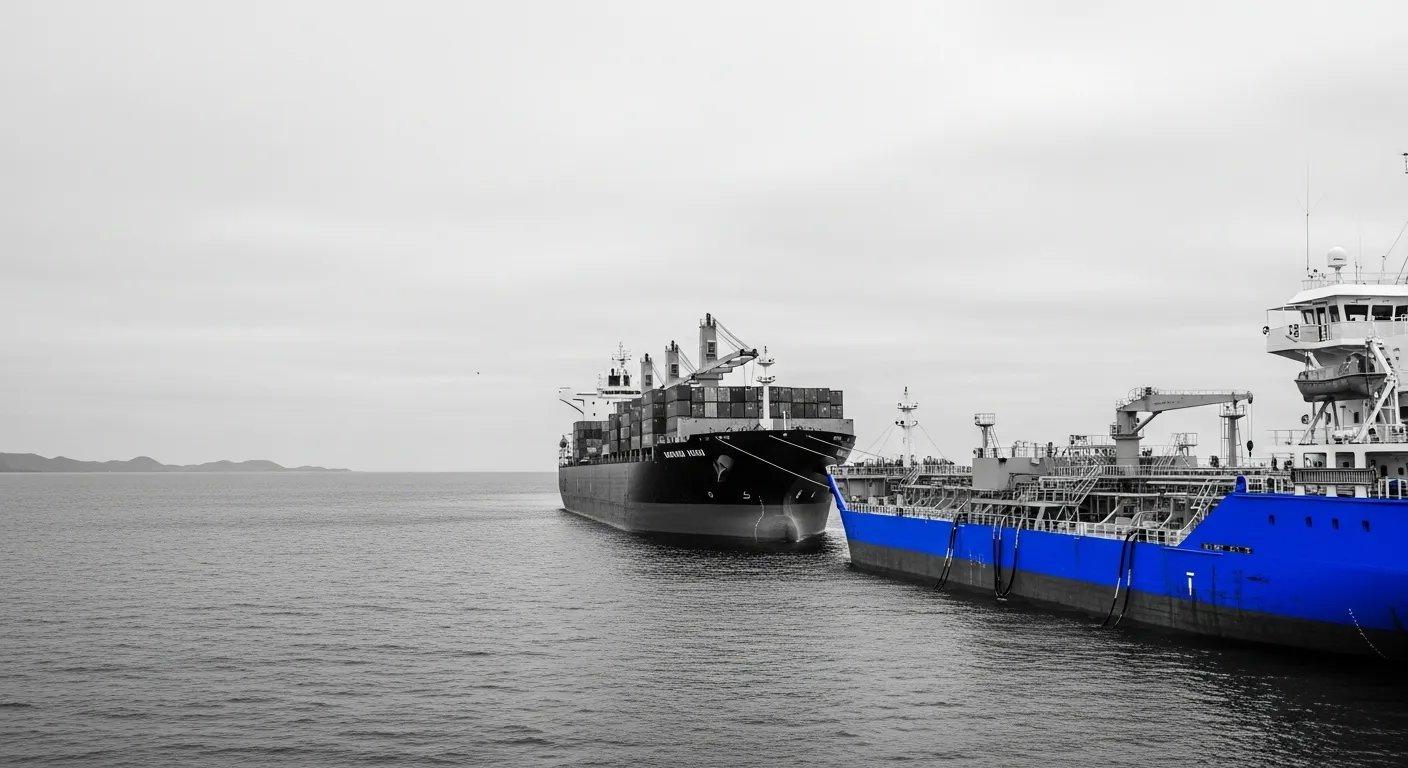
Why Offshore Bunkering at Walvis Bay is Replacing In-Port Supply at Durban and Cape Town
South Africa's bunkering dominance is eroding. Regulatory constraints and port congestion at Durban and Cape Town are forcing shipowners and operators to pivot toward Namibia's Walvis Bay, where offshore and regional supplies now offer faster service, lower demurrage exposure, and reliable fuel avai